Progress Tied to Female Empowerment
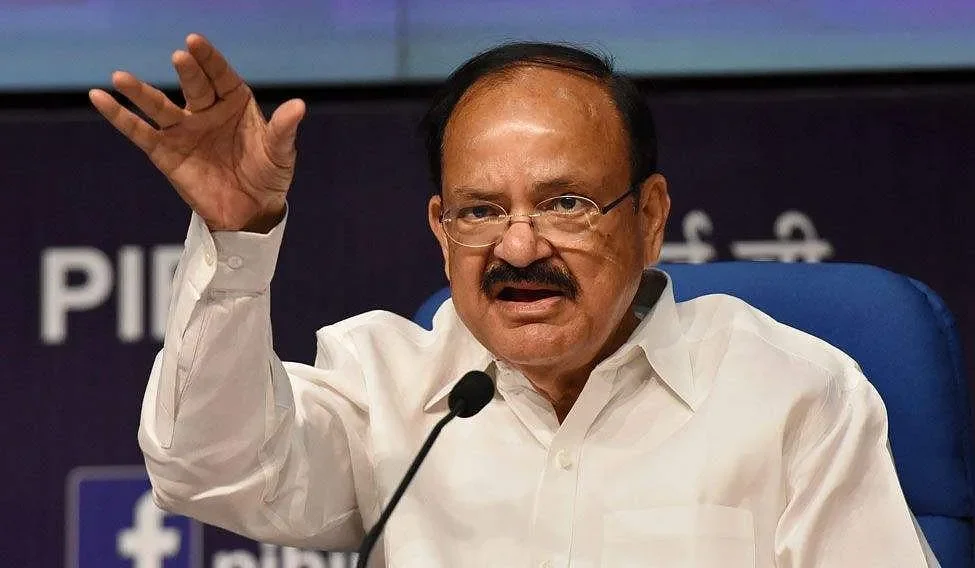
Former Vice President M. Venkaiah Naidu has consistently articulated that the elevation of women, particularly through education, is intrinsically linked to national advancement and social transformation. This perspective underscores a recurring theme across numerous statements made between 2017 and 2026. Naidu has emphasized that development is unattainable if women are left behind, equating their empowerment to a fundamental requirement for comprehensive national progress. He posits that educating women yields tangible benefits, impacting individual economic standing, family well-being, and overall societal development.
Education as a Catalyst: Naidu has repeatedly identified the education of girls as a crucial factor for empowering women. This, in turn, is presented as a direct contributor to economic prosperity, improved child health and nutrition, and stronger democratic processes.
Economic Implications: He highlighted that increased female earning capacity positively influences children's outcomes. Furthermore, studies cited by Naidu indicate a correlation between enhanced education for women and girls and higher economic growth.
Broader Societal Impact: Beyond economic metrics, Naidu has framed women's empowerment as essential for social transformation, dispelling gender stereotypes, and strengthening the fabric of society by ensuring equal rights and participation across social, economic, and political spheres.
The Imperative of Mass Movement and Policy
Naidu has advocated for women's empowerment to transcend mere policy initiatives, calling for it to become a "mass movement" akin to campaigns like 'Swachh Bharat'. This suggests a desire for widespread societal engagement and a deep-seated cultural shift in attitudes towards women's roles and potential.
Addressing Deficits: He has pointed to concerning statistics regarding female literacy rates in India compared to global averages, and the low participation of women in the labor force. He also voiced concern over the under-representation of women in science and technology fields, despite a significant number of female STEM graduates.
Policy Alignment: Naidu has linked educational initiatives such as 'Beti Bachao, Beti Padhao' and 'Sukanya Samriddhi Yojana' as instrumental in driving progress. He also noted the alignment of the New Education Policy with principles of 'Nai Talim', emphasizing its potential to foster integrated and empowered women.
Fighting Discrimination: A persistent call from Naidu has been for the youth to actively combat gender discrimination, framing it as a critical social evil that requires eradication.
Historical Context and Future Outlook
Naidu has drawn upon India's rich history, referencing ancient female scholars like Gargi and Maitreyi, to underscore that women have historically held positions of leadership and intellectual prowess. This historical perspective serves to counter contemporary gender-based limitations.
Read More: Trump Administration Investigates Leaks About Iran Operations After Pilot Rescue Details Emerge
He has also stressed the importance of providing women with equal opportunities in inheritance, including agricultural land, as a means of financial empowerment and enhanced self-esteem. The focus on ensuring equal representation in all fields, from management to STEM, reflects a vision of a more equitable society.

Ultimately, Naidu's pronouncements consistently position the education and empowerment of women not as a secondary concern, but as a foundational pillar for the comprehensive development and progress of any nation.