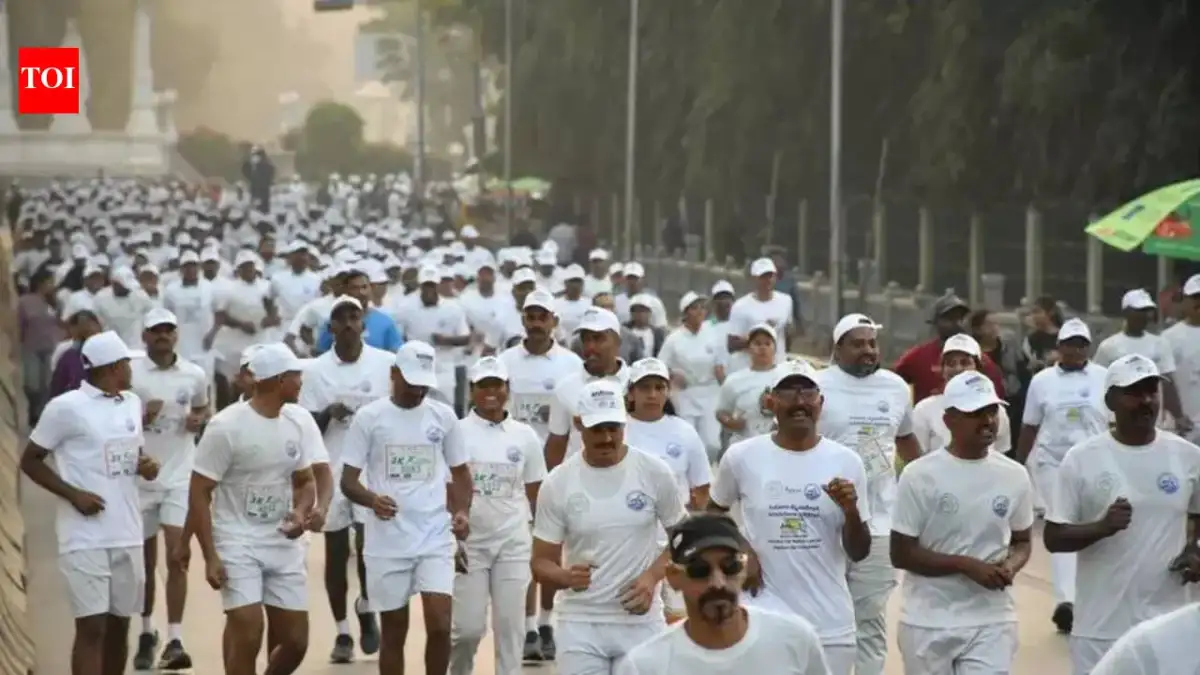
Mysuru, a city increasingly defined by its visible engagements with public hygiene, recently saw another instance of organized civic action. A "Swachhata Road Show" processed from the Mysuru Palace premises to Maharaja College Grounds, a route punctuated by a collection of vintage cars, motorbikes, and cultural troupes. This event, unfolding on a date proximate to International Women's Day, also saw official pronouncements about broader awareness programs addressing sanitation, the perceived dangers of narcotic substances, and general public health.
The road show's design incorporated diverse elements:

Folk performances: Groups presented Pata Kunitha, Kamsale, Garadi Gombe, and Goravara Kunitha.
Youth mobilization: Approximately 200 NSS volunteers and 300 NCC cadets were integrated into the procession.
Symbolic inclusion: Sanitation workers, students, and members from various organizations formed part of the display.
These public activations appear to function as both demonstrations of intent and attempts to capture a certain public imagination regarding civic order. The recurrence of such events, including past 'Swachhata hi Seva' drives and a 'Mysuru Run for Cleanliness', suggests a sustained, if not always deeply integrated, push for visibility around cleanliness initiatives.
Read More: Mysuru Career Fair: 1.4 Lakh Engineering Seats in Karnataka

Thematic Repetition in Civic Mobilization
The recent road show is not an isolated occurrence but part of a series of orchestrated public displays focused on sanitation and civic pride. Previous efforts include:
A large-scale 'Mysuru Run for Cleanliness' held earlier this year, which purportedly drew over 4,000 participants across various distances. This event included a marathon route that traversed several prominent city thoroughfares. Winners in different categories were recognized with cash prizes and medals.
A 'Swachhata hi Seva Fortnight Campaign' scheduled for late 2025, aimed at focusing cleanliness drives in areas under gram panchayat jurisdiction, particularly at tourist spots and temples. This campaign outlined plans for health check-ups for sanitation workers, awareness sessions on welfare schemes, and community engagement activities like "Prabhat Pheri" (morning walks) and slogan-writing competitions for schoolchildren.
A nationwide 'Swachhata hi Seva' drive in late 2023, which involved government offices, including the Mysuru City Corporation and the Deputy Commissioner's office, undertaking voluntary clean-up activities. The railway station also reportedly hosted a significant clean-up effort under the banner "Ek Tareekh Ek Ghanta Ek Saath."
These initiatives, often publicized through poster releases and media reports, indicate a pattern of organizing public events to frame the narrative of civic improvement and cleanliness within Mysuru.
Embedded Structures and Future Aspirations
The administration's engagement with cleanliness also seems to be calibrated towards external recognition, such as aspirations to achieve a "Seven Star Clean City" tag in the Swachh Sarvekshan rankings. This suggests that public spectacle may be partly in service of achieving predefined metrics. The organization of events like a 'Livelihood Workshop' alongside the 'Swachhata Road Show', focused on empowering specially-abled persons and women, hints at attempts to weave diverse social concerns into broader civic campaigns, though the direct linkages and impact remain subject to interpretation.
Read More: Mysuru Commissioner: Choose Careers Based on What You Like