URGENT CALL TO HALT CONTROVERSIAL REJUVENATION PLAN
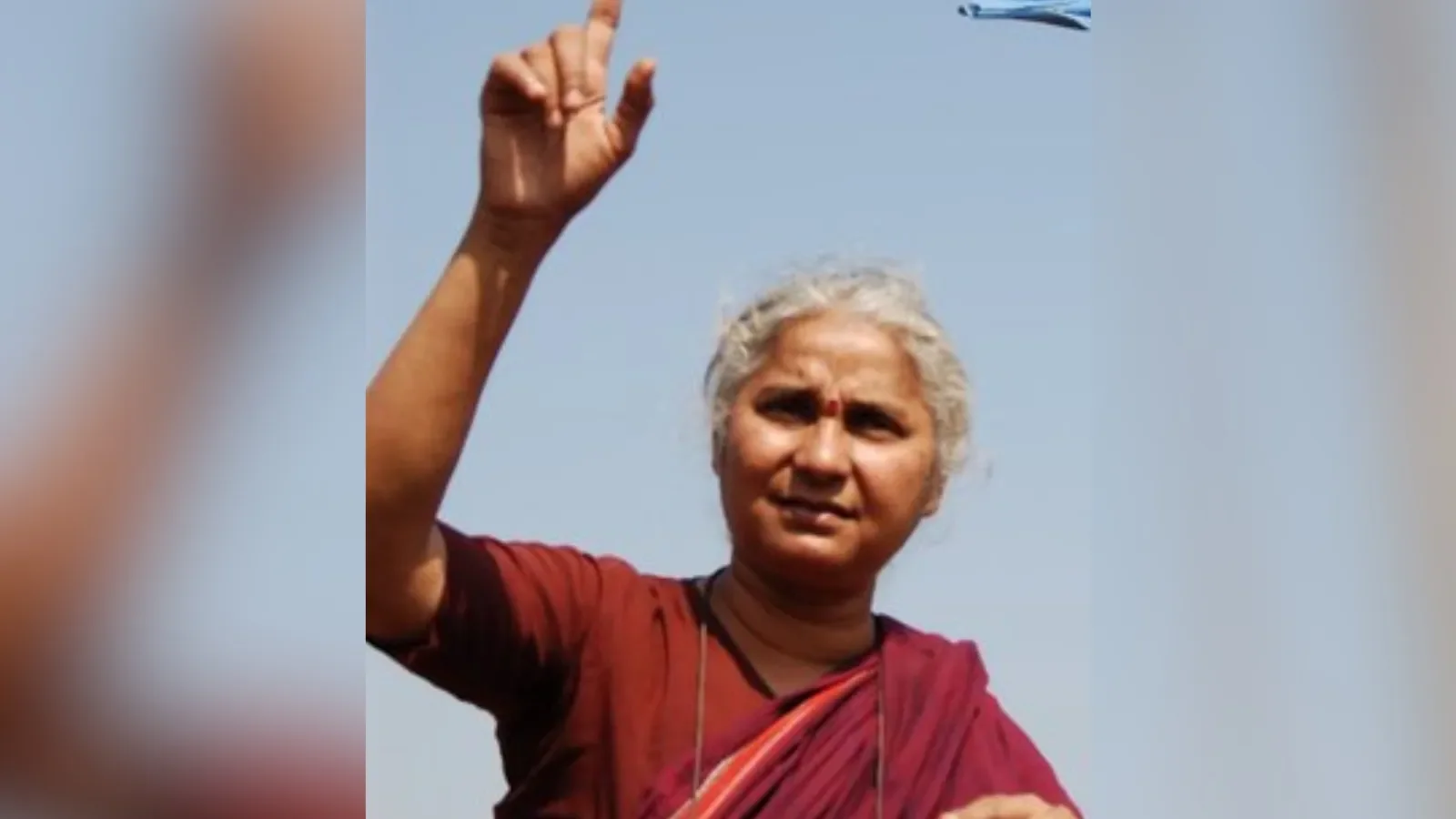
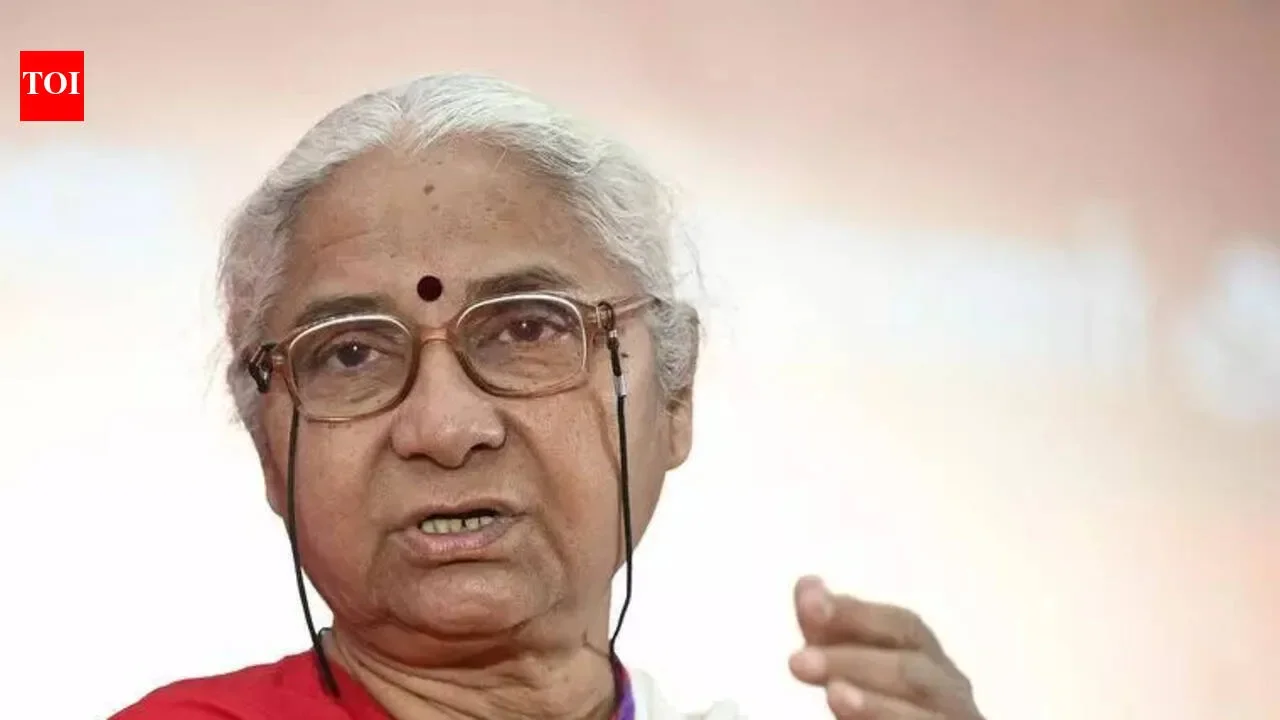
Medha Patkar, a prominent social activist, has issued a direct appeal to Telangana Chief Minister A. Revanth Reddy, demanding an immediate suspension of the proposed March 13 unveiling of the Musi River Rejuvenation and Development project's detailed plans. Patkar's correspondence, framed as a gesture of solidarity with affected communities and the 'Musi Jan Andolan', insists on a fundamental shift towards inclusive governance in the river's rejuvenation process.

The core of Patkar's critique centers on a perceived lack of genuine public participation and a flawed, piecemeal approach to project planning. She has decried the absence of a comprehensive Detailed Project Report (DPR) and a cumulative impact assessment, alongside significant deficiencies in the Environmental Impact Assessment (EIA) process. These perceived failings include:
Incomplete Public Consultations: Limited engagement with those directly impacted by the project.
Inadequate Disclosure: Insufficient provision of land details and environmental survey data.
Exclusion of Key Voices: The 'official invitation' for partnership discussions, as described by the Musi River Development Corporation Limited (MRDCL), is seen as deliberately sidelining grassroots representatives, affected families (particularly those facing land acquisition notices), environmental experts, social activists, and community collectives. Patkar argues this framework prioritizes "elite consultations over the lived realities of the impacted."
Further compounding these concerns is the Government Order Ms No. 921, issued February 16th, which reportedly exempts the entire Musi Riverfront Development Project from mandatory Social Impact Assessment (SIA). Patkar contends that such omissions render the proceedings antithetical to true partnership and democratic participation.
Read More: Amazon Land Use Changes Cause Disease Clusters in Brazil

DEMANDS FOR TRANSPARENCY AND HOLISTIC REVIEW
Patkar's missive, dated March 9th, not only calls for the suspension of the March 13th event but also requests the release of the draft DPR for the entire project in English, Telugu, and Urdu for public perusal. She asserts that the rejuvenation of the Musi river must prioritize ecological restoration while minimizing resident displacement and ensuring transparency and public input in decision-making. The activist is among those who received an official invitation to the event, an invitation she views as a procedural formality that fails to acknowledge the gravity of the situation.
The project, revived as a "flagship programme" under the current administration, has already seen approximately 300 homes demolished, with further notifications for land acquisition, including the Gandhi Sarovar Project requiring the acquisition of 10.34 acres in Bandlaguda Jagir Village and an additional 43.48 acres, proceeding without what Patkar deems "due regard for democratic participation or procedural safeguards."
Read More: Dorking Demolition Displaces Swifts During Nesting Season
BACKGROUND OF THE MUSI PROJECT AND ACTIVIST'S PRESENCE
The Musi River project has a history dating back to the late 1990s, initially conceived during the tenure of Chandrababu Naidu as Chief Minister of the then-united Andhra Pradesh. However, the plan reportedly did not fully materialize due to subsequent political and administrative shifts. Patkar, representing the All India Rivers Forum and the National Alliance of People’s Movements (NAPM), highlights the project's potential to displace thousands of households and endanger heritage structures.
Earlier in March, Patkar's visit to Hyderabad for the NAPM's 30th anniversary national convention reportedly encountered law and order interventions. Police advised her to leave the residence of a city-based activist in the Chaderghat area, near the Musi river, citing unspecified concerns. While authorities denied any link to the Musi rejuvenation project, stating her visit lacked prior police intimation, the incident occurred amidst ongoing discussions and criticisms surrounding the riverbank demolitions and the development project. The Telangana government faces scrutiny from opposition parties regarding these demolitions, which some critics describe as part of a development strategy that clashes with citizen rights.
Read More: Kanyakumari Atomic Mining Permit Extended for 1144 Hectares in 2026