Traveller groups have reportedly established new encampments on at least two wildlife-sensitive fields within hours of local councils closing for the recent Bank Holiday weekend. These developments occurred rapidly, taking advantage of extended closures when official enforcement actions are typically suspended. The incidents highlight a recurring pattern of unauthorised land occupation and development.
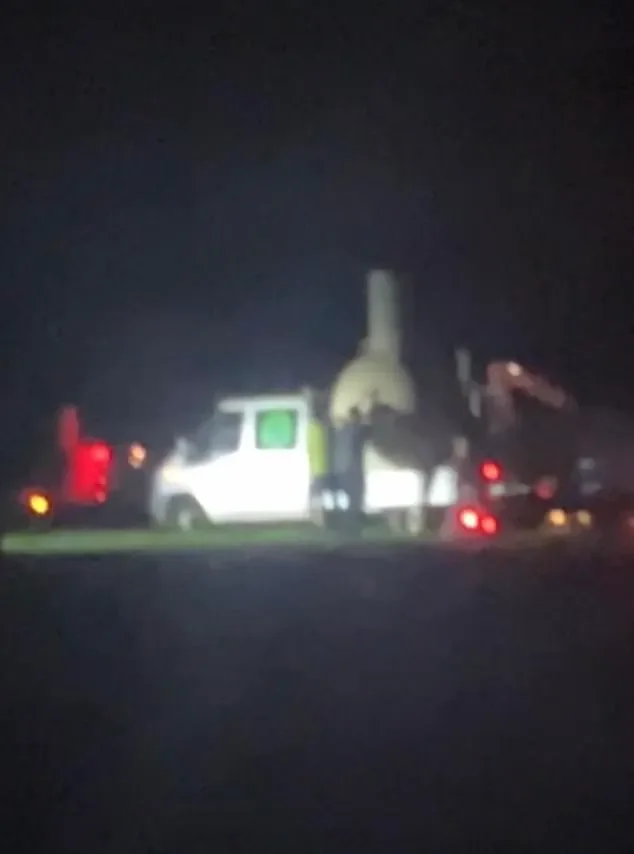
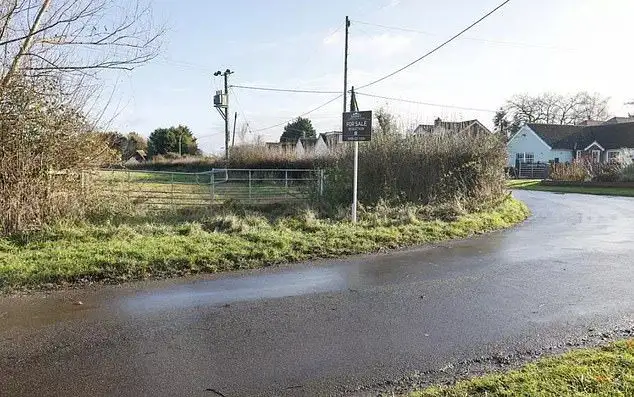
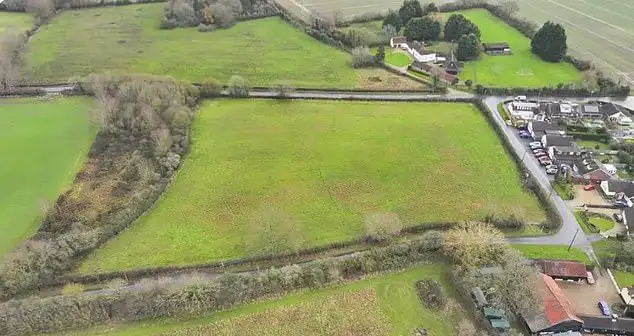
In Felsted, Essex, a four-acre field designated as a wildlife haven saw workers begin transforming it into a caravan site shortly after Uttlesford District Council shut down for the three-day Bank Holiday. This follows reports of similar activities across the country during previous long weekends. Residents expressed frustration over the perceived lack of proactive measures by the council to prevent such incursions.
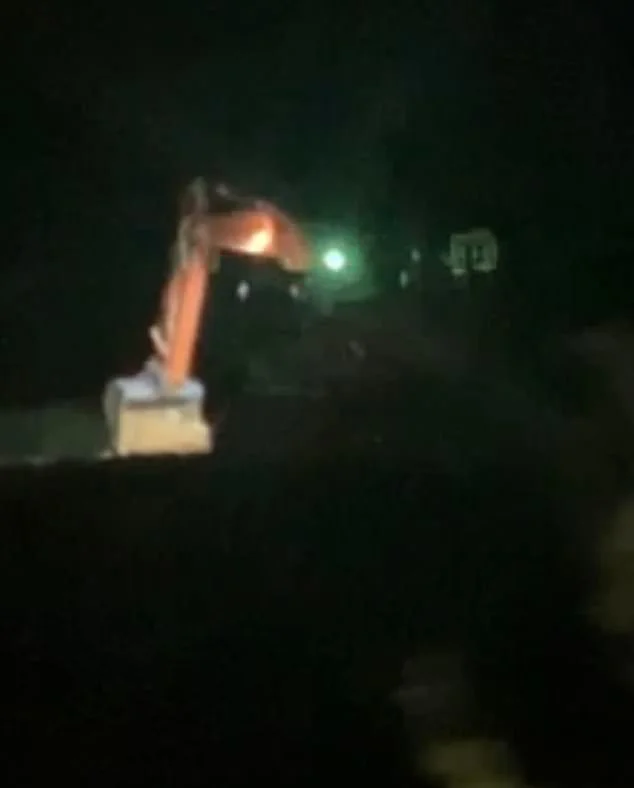
Further instances were documented during the recent Easter Bank Holiday weekend, with reports of encampments appearing in Sundridge, Kent, and Flamstead, Hertfordshire. In Sundridge, Sevenoaks District Council issued a stop notice to halt unauthorised construction of a traveller site on green belt land. Residents in Flamstead described feeling "invaded" as machinery was used to alter a village field near Friendless Lane. Police are reportedly investigating incidents of threatening behaviour and criminal damage associated with these sites.
Read More: Amazon Land Use Changes Cause Disease Clusters in Brazil
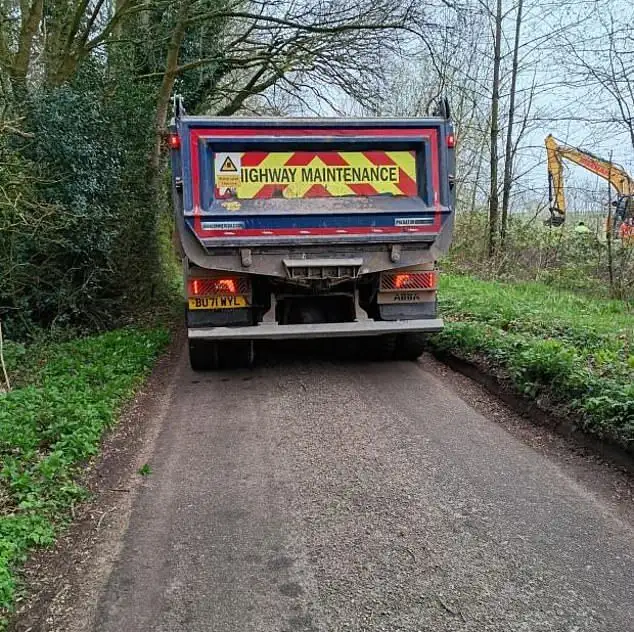
These "land grabs," as described by some local reports, involve groups arriving with heavy machinery to create hard standing for caravans and static homes. The speed at which these developments occur, often over bank holidays or weekends, suggests a deliberate strategy to bypass planning enforcement. Councils often describe their enforcement as a "reactive service," only able to act once a breach has occurred.
Recurring Pattern of Encampments
The recent events echo previous occurrences. In Shipley Bridge, Surrey, locals have reported a significant increase in caravans, leading to a feeling of being "outnumbered." Tandridge Council documents indicate multiple enforcement notices have been issued in the area, where residents cite issues like flooding from hastily laid surfaces and occasional fires.
Similarly, in Alford, Surrey, a rural field was reportedly transformed into a "gated community" with a fence and steel doors within days over the Easter weekend. Guildford Borough Council acknowledged awareness of works carried out on a site in Clay Lane, Burpham, where numerous caravans and static homes were brought onto the land.
In Edenbridge, Kent, at Seasons Farm, work reportedly continued over a weekend despite council notices and attempts to secure injunctions. Laura Trott MP raised concerns about the timing of the arrival, suggesting it was a bid to commence work before official intervention.
Read More: Kanyakumari Atomic Mining Permit Extended for 1144 Hectares in 2026
These incidents have led to ongoing disputes, with some villagers engaged in year-long fights to close down traveller sites. Reports include threats against residents and damage to property, with some travellers vowing to appeal against enforcement notices.
Local Government and Enforcement Challenges
Local authorities face significant challenges in addressing these encampments. The timing of these incursions, coinciding with council closures, appears designed to delay or obstruct enforcement. While stop notices and enforcement notices are issued, the effectiveness and speed of their implementation are frequently questioned by residents and local councillors. The legal framework surrounding planning enforcement is described as reactive, requiring a breach to have occurred before formal action can be taken.
The reliance on reactive enforcement, coupled with the rapid, coordinated nature of the encampments during periods of reduced council availability, presents a persistent challenge for rural communities and local authorities seeking to protect green belt and wildlife areas.
Read More: Southampton Planning Board Seeks Details on Trump's 250-Foot Arch