Capital Development Authority Pursues Self-Financed Projects, Investor Outreach
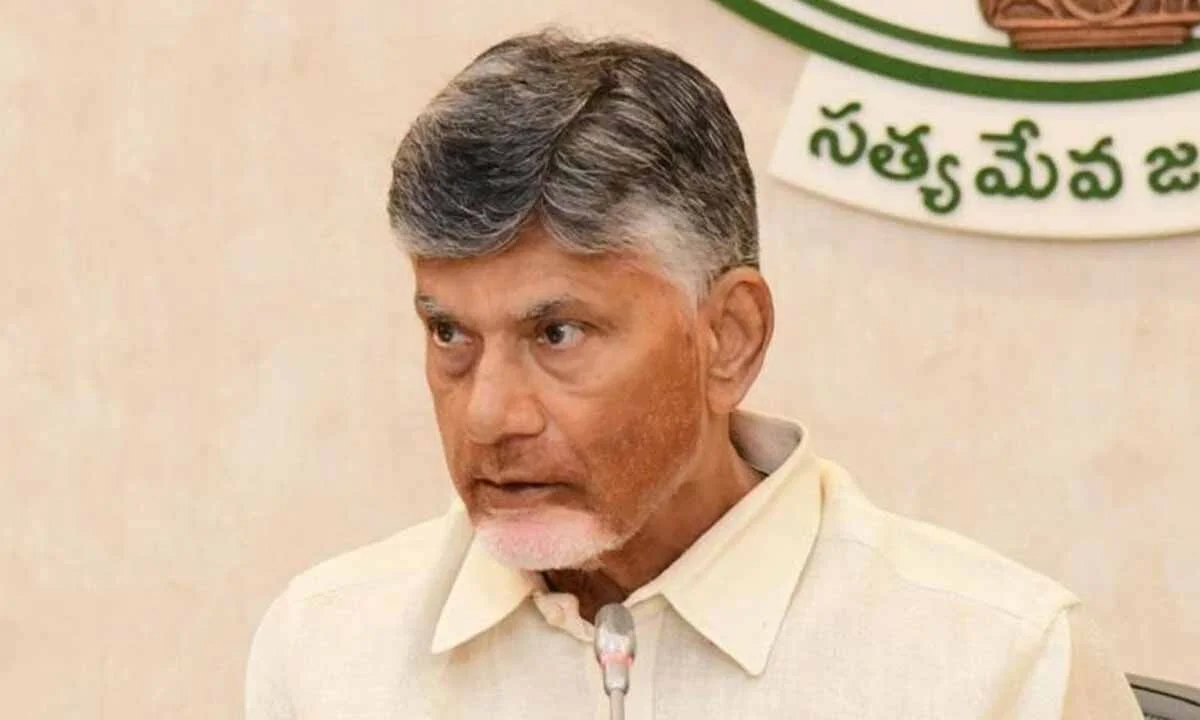
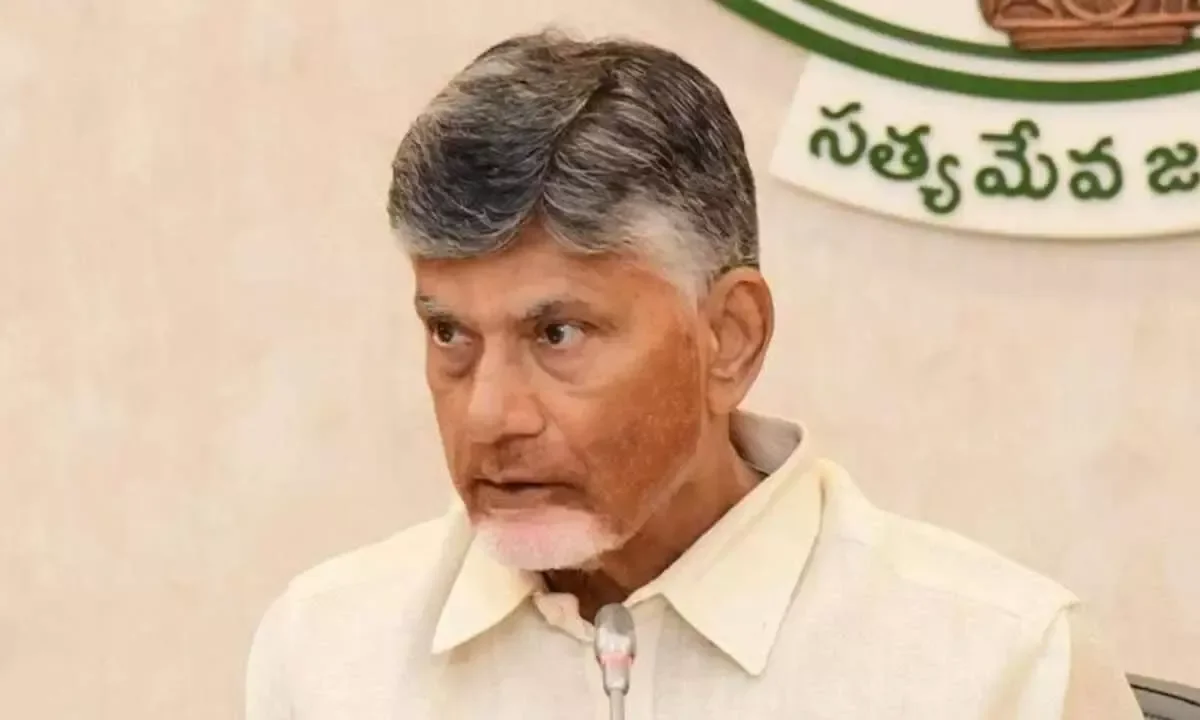
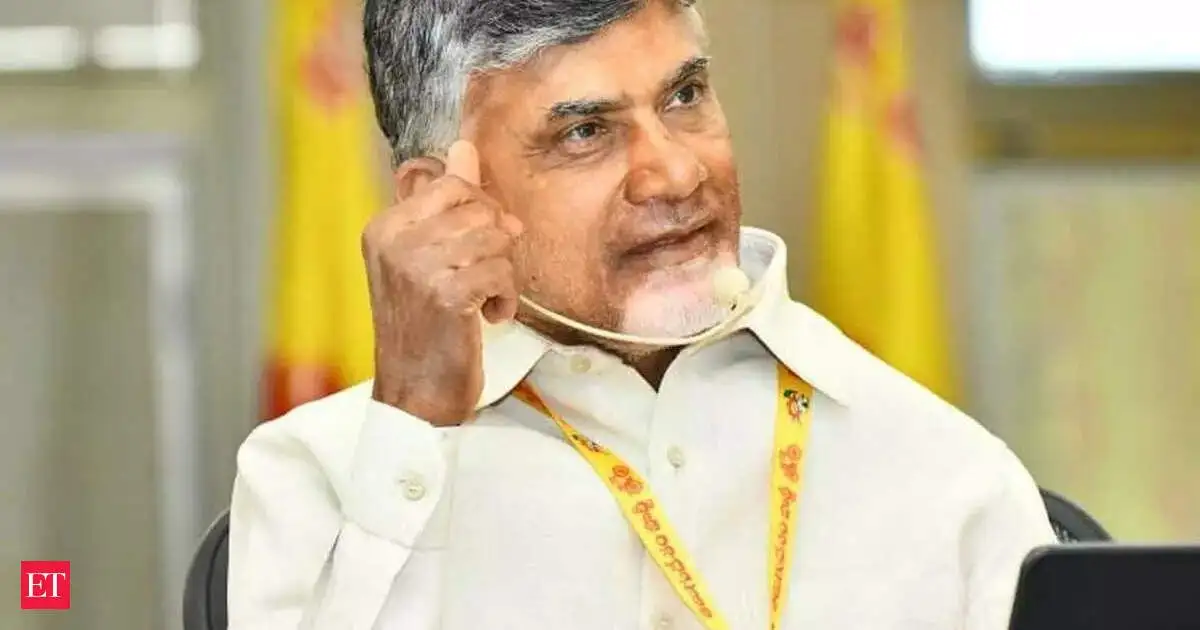
Amaravati is being repositioned as a nexus for 'tourism', 'sports', and 'investment-driven projects', according to directives issued by Chief Minister Chandrababu Naidu. These pronouncements followed the 59th meeting of the Andhra Pradesh Capital Region Development Authority (APCRDA). Officials have been tasked with focusing on 'self-financed initiatives' and actively engaging potential investors to accelerate the capital's development without imposing significant financial burdens on the government.
A significant push is being made to transform Amaravati into a global hub, blending cultural heritage with economic aspirations. Key among the proposed developments is a large-scale 'tourism project' spanning 167 acres at Neerukonda. This initiative is slated to incorporate a 'waterfront', a 'cultural centre', 'hotels', 'amusement parks', and 'event spaces', aiming to attract both domestic and international visitors. Furthermore, the APCRDA has approved a Rs. 119 crore project for a dedicated 'Telugu Cultural Centre', intended to showcase the 'richness of Telugu culture' and heritage.
Read More: Dorking Demolition Displaces Swifts During Nesting Season
Financial Underpinnings and Original Blueprint
Financial backing for the 'Amaravati Capital Development project' has historically involved contributions from entities such as the 'World Bank' and the 'Asian Development Bank', with an initial commitment of ₹15,000 crore. The 'Government of India' has also disbursed over Rs. 4,200 crore for the project. To support infrastructure development and facilitate loan repayments, the government is exploring a 'land monetization strategy'. This approach is intended to ensure the 'timely repayment of loans'. The development is adhering to an original 'Master Plan', which was developed with the assistance of the 'Singapore government'.

Broader Regional Planning and Land Acquisition
Beyond the core capital area, the regional plan envisions a larger 'metropolitan area' of 7,420 sq km, encompassing 'Vijayawada city' and surrounding regions within the 'Guntur' and 'Krishna districts'. The core capital area itself covers 217 sq km. In furtherance of infrastructure expansion, including the potential for an 'international airport', the state government is reportedly planning to acquire an additional 30,000-40,000 acres of land within the core capital zone. This involves scouting for land in villages situated in the 'Guntur' and 'Krishna districts'.
Read More: Andhra University Adds More Seats for B.Tech Courses

Historical Context and Political Reaffirmation
The project's revival has been framed by political narratives emphasizing continuity and overcoming past impediments. Prime Minister Narendra Modi has reportedly assured 'full support' for the development of Amaravati as a 'greenfield capital', recalling its foundational stone-laying and Naidu’s prior work in developing Hyderabad’s 'Cyberabad'. Chief Minister Naidu has positioned the current administration's efforts as a resurgence, contrasting them with actions by the 'previous government' which he characterized as 'conspiracies and deliberate attacks' aimed at derailing the capital project. He has articulated a vision where Amaravati is seen as the 'embodiment of Andhra Pradesh’s collective pride' and a symbol of 'emotional sentiment'.
The stated objectives include developing Amaravati into a 'world-class capital', a vision that has seen periods of uncertainty and revision. Initially proposed as the sole capital, there were subsequent plans by a prior government to establish three distinct capitals: Visakhapatnam as the 'executive capital', Amaravati as the 'legislative capital', and Kurnool as the 'judicial capital'. The current administration's renewed focus suggests a consolidation of efforts around Amaravati.
Read More: Subnautica 2 Development Accelerates With New Hires