)
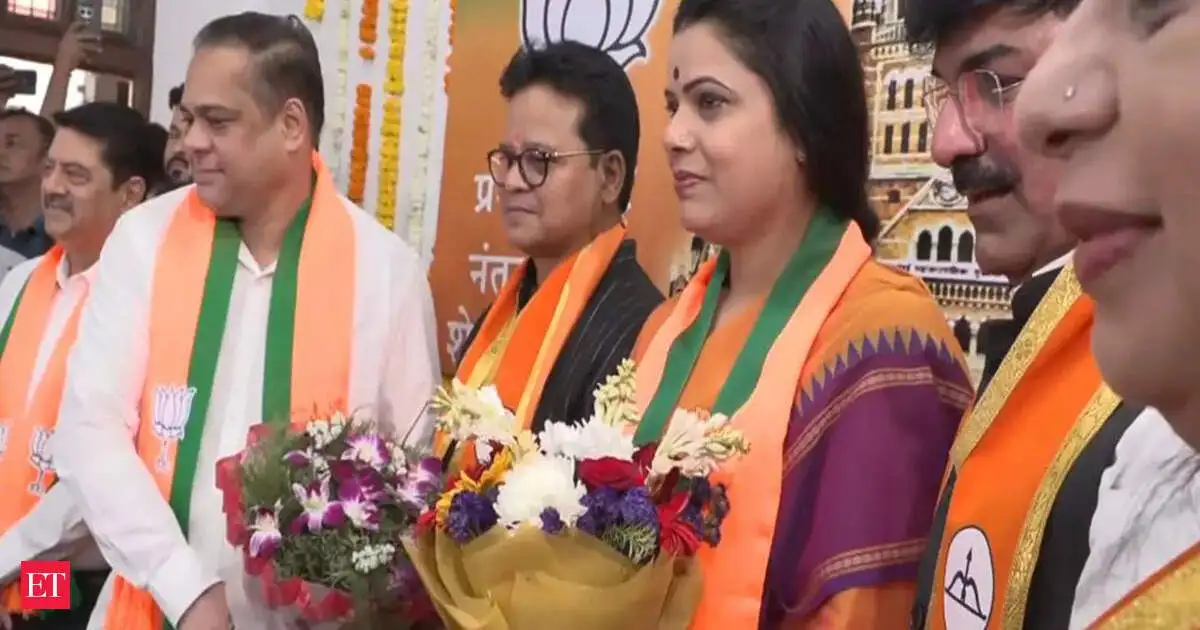
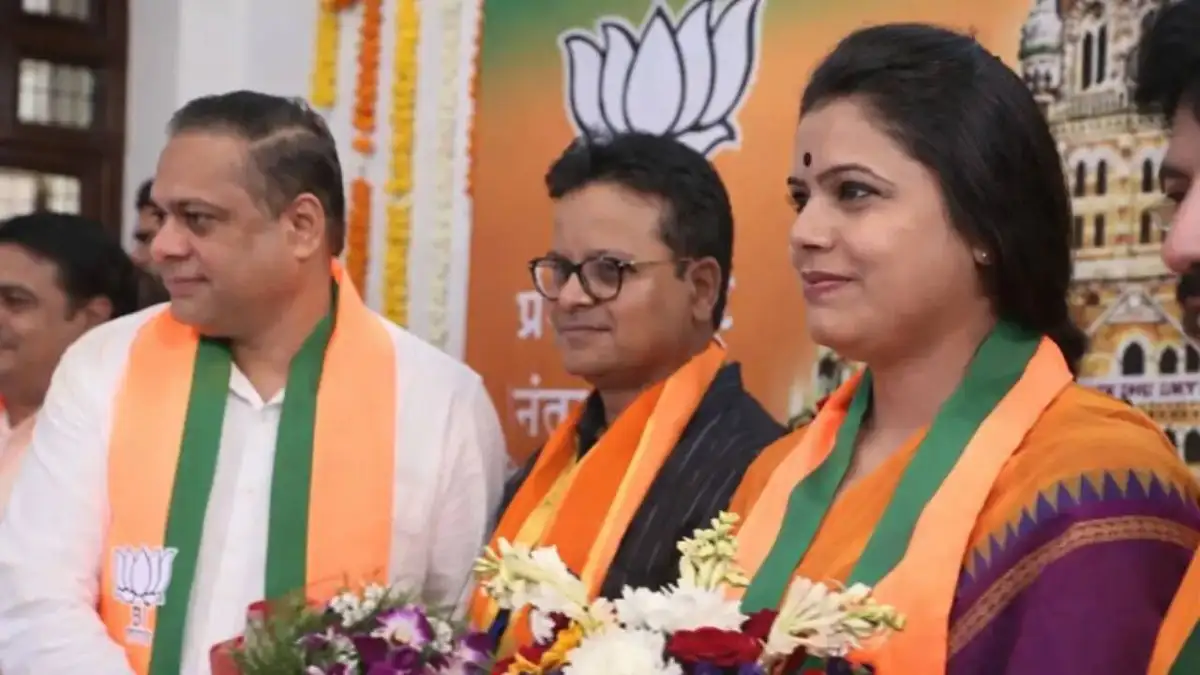
The political chessboard in Mumbai has shifted, with the Mahayuti alliance – a coalition including the Bharatiya Janata Party (BJP) and the Eknath Shinde-led Shiv Sena – announcing its candidates for the crucial Mumbai Mayor and Deputy Mayor posts. Ritu Tawde of the BJP has been put forward for the Mayor’s seat, while Sanjay Shankar Ghadi from the Shinde Sena faction will contest for Deputy Mayor. This decision, announced just ahead of the February 11th election, marks a significant moment for the Brihanmumbai Municipal Corporation (BMC), which has been without a Mayor for four years. But behind this seemingly straightforward announcement lie deeper currents of political strategy, alliance negotiations, and the shifting sands of power in India's financial capital.
A City's Civic Head: Decades in the Making
The election for the Mumbai Mayor is scheduled for February 11th, with voting to occur between 11:00 am and 4:00 pm. This marks the end of a protracted period of administrative rule, as the BMC has been managed by administrators since 2020. The Brihanmumbai Municipal Corporation, a body that governs India's bustling financial capital, is a prize of immense civic and political significance. Its budget dwarfs many state governments, making the Mayor's office a powerful platform.
Read More: Taiwan Holds Nantou County Drills to Prepare for State Collapse
The current political landscape in Mumbai is shaped by recent shifts. The Mahayuti alliance, formed to counter rivals, is composed of the BJP and the Eknath Shinde faction of the Shiv Sena. The election results for the 227-member BMC saw the BJP emerge as the single largest party with 89 seats, followed by the Shiv Sena (UBT) with 65 seats, and the Shinde Sena faction securing 29 seats. The combined strength of the BJP and Shinde Sena factions within the Mahayuti alliance stands at 118 corporators, comfortably crossing the halfway mark of 114 required to secure the Mayor's post.

This arrangement, however, is not without its historical context and intricate political maneuvering. The announcement of Tawde and Ghadi’s candidature signifies a distribution of power within the alliance, but raises questions about the long-term stability and the underlying calculations that led to these specific nominations.
Read More: Mumbai Red Alert July 2026 Causes School Closures and Train Delays
The Chosen Few: Tawde and Ghadi's Journeys
Ritu Tawde, the BJP's chosen candidate for Mayor, is described as a seasoned corporator and a prominent figure in Mumbai's civic politics. Her previous roles include serving as the Chairperson of the BMC's Education Committee, adding to her administrative experience within the civic body. She is a corporator from Ward 132.
On the other side, Sanjay Shankar Ghadi from the Eknath Shinde-led Shiv Sena is nominated for the Deputy Mayor position. Ghadi's political trajectory is particularly noteworthy. He was formerly a corporator with the Shiv Sena (UBT) but later switched allegiance to join the Eknath Shinde faction. His nomination comes on Shinde's recommendation and he represents Ward 5. His tenure as Deputy Mayor is reportedly set for 15 months, as stated by Shiv Sena secretary Sanjay More.

The selection of these two individuals signals a power-sharing agreement between the BJP and the Shinde Sena faction, a key element in maintaining their alliance. However, Ghadi's past affiliation with the Uddhav Thackeray-led Shiv Sena (UBT) raises questions about loyalty and political expediency in Mumbai's hyper-competitive environment.
Read More: FBI Analysts Review Georgia 2020 Election Data in Fulton County
Questions Loom Over Alliance Dynamics and Past Grievances
The nomination of Ritu Tawde and Sanjay Shankar Ghadi is a calculated move by the Mahayuti, but it doesn't erase the complex political history that has led to this point. The BMC has been under administrative rule for four years, a period marked by significant political upheaval.
Why the four-year delay in electing a Mayor? What specific political stalemates or circumstances prevented this fundamental democratic process from occurring for such an extended period?
What does this power-sharing arrangement truly signify for the BJP and the Shinde Sena? Is it a genuine partnership, or a temporary truce born out of necessity to counter rivals like the Shiv Sena (UBT)?
Sanjay Ghadi's defection from Shiv Sena (UBT) to Shinde Sena: How does this history influence his role and the perception of the Shinde faction's power within the alliance? Does it set a precedent for future political migrations?
The Shiv Sena (UBT) secured 65 seats, significantly more than the Shinde Sena's 29. Does this nomination for Deputy Mayor adequately reflect the Shinde faction's actual strength in the BMC, or is it a concession to maintain the alliance's facade?
How will the BJP and Shinde Sena factions coordinate their efforts to govern Mumbai, especially given their past political differences and the historical dominance of the Shiv Sena (undivided) in the city's civic administration?
The selection process itself, while ending the suspense, also highlights the intricate negotiations that must have occurred. The BJP, emerging as the single largest party, could have potentially pushed for the Mayor's post with greater certainty. The agreement to nominate Tawde and allow Ghadi as Deputy suggests a strategic compromise.
A Contested Legacy: Shiv Sena's Past Grip on the BMC
The Brihanmumbai Municipal Corporation (BMC) has historically been a bastion of the Shiv Sena. For 25 years, the party, in its undivided form, held a strong grip on the Mayor's office, wielding significant influence over the city's development and administration. This prolonged control established the Shiv Sena as a dominant force in Mumbai's civic politics.
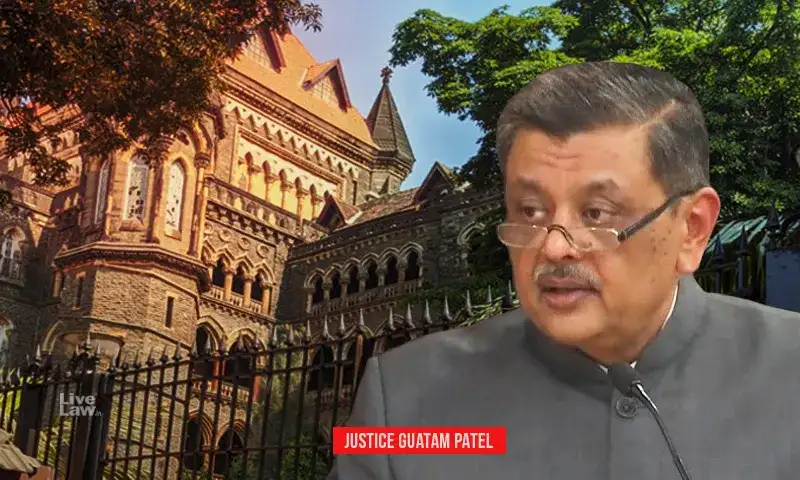
Read More: Bombay High Court orders police security for retired Justice Gautam Patel
The current political landscape, however, sees a fractured Shiv Sena. The split into the Shiv Sena (UBT) led by Uddhav Thackeray and the Shiv Sena led by Eknath Shinde has fundamentally altered the city's political dynamics. The Mahayuti alliance, comprising the BJP and the Shinde faction, is now positioned to take control of the BMC, effectively challenging the Shiv Sena's long-standing legacy.
How significant is the loss of the Mayor's post for the Shiv Sena (UBT)? What does this mean for their ability to influence city governance and maintain their political relevance in Mumbai?
Will the Shiv Sena (UBT) leadership contest the election, or will they accept the outcome without a formal challenge? What will be their strategy moving forward to regain influence?
How will the narrative around the "true" Shiv Sena play out in the context of Ghadi's defection and nomination by the Shinde faction?
The outcome of this election, while seemingly decided by the numbers game within the Mahayuti, also represents a symbolic victory for the BJP and the Shinde faction, marking a departure from the Shiv Sena's decades-long dominance. The historical context is crucial to understanding the magnitude of this shift.
Financial Powerhouse: The BMC's Unrivaled Economic Muscle
The Brihanmumbai Municipal Corporation (BMC) is not just a civic body; it's one of the wealthiest municipal corporations in Asia. Its annual budget often surpasses that of many Indian states, giving its leadership immense financial power and the ability to shape urban development on a grand scale. This economic might is a significant factor in the political jockeying for control of the BMC.
Read More: US 250th Anniversary: Pride Divided by Politics
What are the key developmental projects and financial priorities that the new Mayor and Deputy Mayor will likely focus on?
How transparent and accountable will the BMC's massive budget be under the new leadership? What mechanisms are in place to ensure public funds are used efficiently and without corruption?
What impact will the Mahayuti's control have on Mumbai's infrastructure development, public services, and urban planning? Will there be a discernible shift in priorities compared to previous administrations?
The financial muscle of the BMC makes the Mayor's position one of considerable power and influence, not just within Mumbai but also on a national political stage. The decisions made by the Mayor and the civic body have far-reaching implications for millions of Mumbaikars.
Future Governance: Navigating the Alliance and Public Expectations
With Ritu Tawde nominated as Mayor and Sanjay Shankar Ghadi as Deputy Mayor, the Mahayuti alliance has a clear path to power. However, the real challenge lies in the effective governance of Mumbai and meeting the expectations of its diverse populace.
How will the BJP and Shinde Sena factions ensure smooth coordination and decision-making within the BMC, given that they are also political partners in the state government?
What will be the role of the opposition parties, particularly the Shiv Sena (UBT), in holding the ruling alliance accountable? Will they engage constructively or adopt an obstructionist approach?
What is the projected term for this new leadership? While Ghadi's tenure is mentioned as 15 months, what is the full term for the Mayor, and what happens after that?
Beyond the power-sharing, what concrete plans does the Mahayuti have to address Mumbai's pressing issues such as infrastructure, housing, transportation, and environmental concerns?
The upcoming election on February 11th is merely the formalization of a political arrangement. The true test for Ritu Tawde and Sanjay Shankar Ghadi will be their ability to govern effectively, foster transparency, and address the complex needs of a megacity like Mumbai, all while navigating the inherent complexities of their alliance.
Read More: Film Producer T.P. Aggarwal Criticizes FWICE Directive in Mumbai