A family in Madhya Pradesh, India, is preparing to formally seek repayment from the British government for a sum of Rs 35,000 reportedly loaned to the colonial administration in 1917. The family asserts they possess documentation confirming this transaction, which occurred over a century ago during World War I. This claim is now being advanced by the descendants of Seth Jummalal Ruthia, who was a prominent businessman in the Sehore and Bhopal princely states at the time. The family plans to issue a legal notice to the British government to pursue the repayment, which they state has now grown to a substantial amount due to accumulated interest.

Historical Context of the Loan Claim
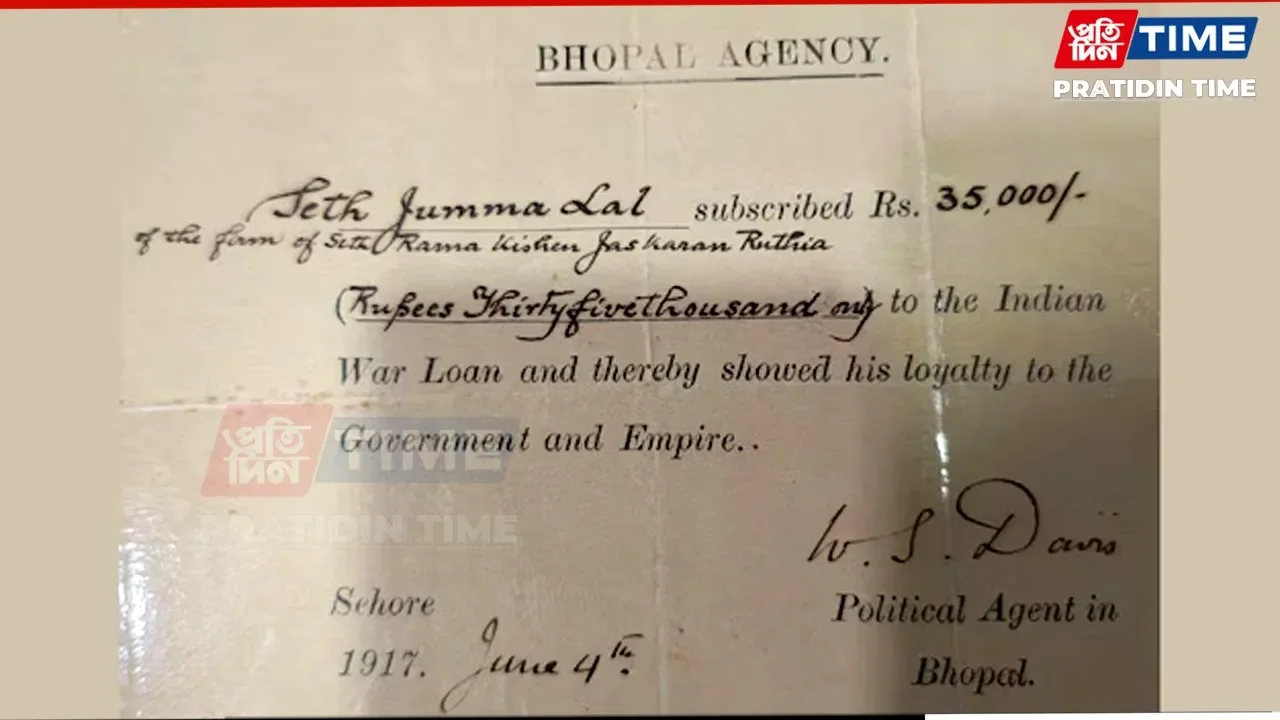
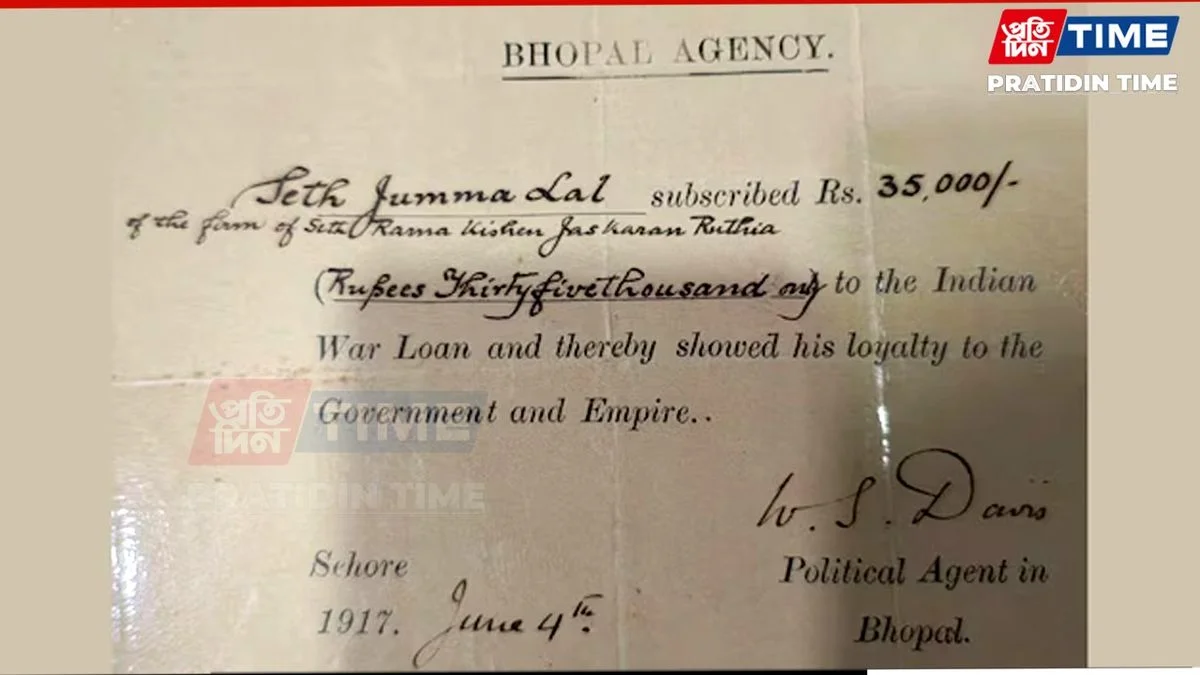
The claim centers on a financial transaction from 1917, during the period of British rule in India and amidst World War I. The Ruthia family, historically influential and wealthy, alleges that Seth Jummalal Ruthia, a known cloth and grain merchant, provided Rs 35,000 to the then British political agent in Bhopal, W.S. Davis.
Read More: 1994 Winter Olympics: Why Harding-Kerrigan Saga Still Matters

The loan is understood by the family to have been made to support administrative management within the Bhopal princely state.
Other reports suggest the British colonial government sought financial contributions from wealthy individuals in India due to wartime financial pressures.
The family claims to have in their possession written documentation acknowledging the debt and assuring repayment, described as similar to war bonds.
These documents were reportedly preserved within the family for decades before being recently examined closely.
Family's Pursuit of Repayment
The Ruthia family, specifically grandson Vivek Ruthia, a businessman from Sehore, is now taking steps to formally reclaim the loaned amount.
Vivek Ruthia has stated that he is exploring legal options and is preparing to send a legal notice to the British government.
The family contends that the amount, including interest, has grown to represent a significantly larger sum, potentially in the crores of rupees.
The family also possesses documents detailing correspondence with the British government, which they believe clearly show the borrowing of money.
This revived claim is seen by the family as a matter of historical justice and recognition of their ancestor's contribution.
Legal and Procedural Considerations
The pursuit of a century-old colonial debt presents considerable legal complexities.
Legal observers note that enforcing repayment for such an old debt involves significant procedural and jurisdictional challenges under international law.
The family's plan to issue a legal notice is the latest step in a process that bridges colonial financial history with modern legal frameworks.
The success of such a claim would hinge on the validity and enforceability of the historical debt instruments within contemporary legal systems.
The Ruthia Family's Legacy and Motivation
For the Ruthia family, the claim extends beyond mere financial recovery, touching upon themes of legacy and historical accounting.
Seth Jummalal Ruthia was a prominent figure with extensive landholdings and commercial interests in the Sehore and Bhopal regions.
The family views the resurfaced claim as a forgotten chapter in their history now coming back into focus.
The revival of this claim began, according to reports, with a routine review of old family papers.
The family's financial standing is noted, with some reports mentioning they own several properties in Indore, Sehore, and Bhopal.
Evidence Presented by the Family
The core of the family's claim rests on documentary evidence they say they possess.
The family asserts they have all the supporting documents, including written acknowledgments of the debt and promises of repayment.
These documents are described as having remained in family custody for decades.
Vivek Ruthia indicated that documents found in his grandfather's will detail correspondence with the British government regarding the loan.
Expert Analysis on Colonial Debts
Experts acknowledge the historical context but also the difficulties in such claims.
"Enforcing repayment for a century-old colonial-era debt would involve significant procedural and jurisdictional challenges." - Legal Observers (as cited in Article 3 and Article 4)
This viewpoint highlights that while historical claims may be valid in principle, their practical realization through legal means is often fraught with obstacles related to time limitations, governing laws, and the sovereignty of nations.
Read More: Older Adults with Chronic Illnesses Show Low Awareness of Shingles Risk in India
Conclusion and Next Steps
The Ruthia family is moving towards formal legal action to reclaim a sum of Rs 35,000 allegedly loaned to the British colonial government in 1917. Armed with what they describe as documentary proof, including correspondence and acknowledgments of debt, the family aims to seek repayment, which they believe has appreciated significantly over the past 109 years. The planned issuance of a legal notice to the British government marks a determined effort to address what they consider a matter of historical financial justice. However, the endeavor is expected to encounter substantial legal and procedural hurdles inherent in pursuing such a long-standing colonial-era debt within the modern international legal framework.
Sources Used:
Firstpost: An Indian family loaned Rs 35,000 to the British and now wants it back. Why?
https://www.firstpost.com/explainers/an-indian-family-loaned-rs-35000-to-the-british-and-now-wants-it-back-why-13983984.html
Newspointapp: Centuries-Old Colonial Loan: Indian Family Seeks Repayment of ₹35,000 Given to British in 1917
https://www.newspointapp.com/english/city/mp-family-seeks-recovery-of-rs-35000-loan-given-to-british-government-in-1917/articleshow/128807666.cms
ABP Live: British Borrowed Rs 35,000 In 1917; Indian Family Now Seeks Repayment After 100 Years
https://news.abplive.com/news/india/british-borrowed-rs-35000-in-1917-indian-family-now-seeks-repayment-after-100-years-seth-jummalal-1828828
Pratidintime: Rs 35,000 Given to British in 1917: Family Demands It Back
https://www.pratidintime.com/national/rs-35000-given-to-british-in-1917-family-demands-it-back-11157448
The New Indian Express: 'My grandfather lent Rs 35k in 1917 to British rulers as war loan': MP man explores legal options for repayment
https://www.newindianexpress.com/nation/2026/Feb/26/my-grandfather-lent-rs-35k-in-1917-to-british-rulers-as-war-loan-mp-man-explores-legal-options-for-repayment
Times Now: He Loaned Rs 35,000 to the British in World War I - His Family Now Wants Crores Back
https://www.timesnownews.com/viral/he-loaned-rs-35000-to-the-british-in-world-war-i-his-family-now-wants-crores-back-article-153695441
Hindustan Times: MP man wants UK govt to repay ₹35,000 'war loan' taken by British rulers from grandfather in 1917
https://www.hindustantimes.com/cities/bhopal-news/mp-man-wants-uk-govt-to-repay-rs-35-000-war-loan-taken-by-british-rulers-from-grandfather-in-1917-101772108860344.html
The Economic Times: British took Rs 35,000 in 1917, claim descendants; Now MP family wants it back with interest, plans legal notice
https://economictimes.indiatimes.com/news/new-updates/british-took-rs-35000-in-1917-claim-descendants-now-mp-family-wants-it-back-with-interest-plans-legal-notice/articleshow/128790265.cms
Deccan Herald: British government loan: MP family seeks Rs 35,000 with interest
https://www.deccanherald.com/india/madhya-pradesh/my-grandfather-loaned-rs-35000-to-the-british-in-1917-madhya-pradesh-man-exploring-options-to-seek-repayment-3912438