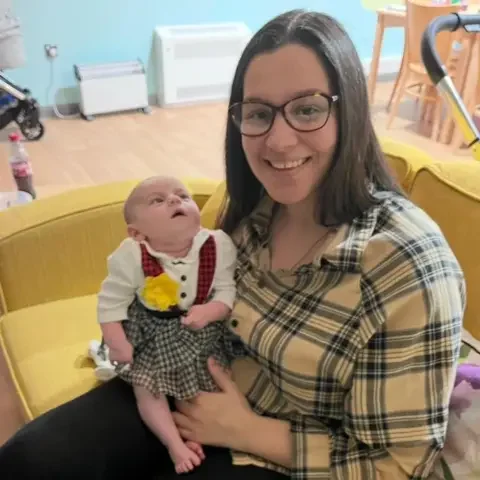
A significant number of new mothers experience mental health difficulties following childbirth, with some cases requiring intensive support within specialized Mother and Baby Units (MBUs). These units provide a residential setting where mothers can receive psychiatric care, therapy, and support for both themselves and their infants. For individuals like Sofii Lewis, who spent five months in an MBU following postpartum psychosis tendencies and OCD, these units are described as life-saving sanctuaries, more akin to supportive living arrangements than traditional clinical facilities.
Inside the Units: A Space for Recovery and Bonding
The environments within Mother and Baby Units are structured to foster recovery and strengthen the maternal-infant bond. While acknowledging the severity of conditions like postpartum psychosis, which affects approximately 1 in 1,000 mothers, reports indicate that these units offer a crucial form of specialist care. These facilities provide a blend of medication, therapy, and direct assistance from staff, enabling mothers to navigate the challenges of severe mental health episodes while remaining with their babies. The Royal College of Psychiatrists highlights that MBUs offer a safe and learning environment designed to support recovery and maintain well-being upon returning home.
Read More: Rob James Claims Hair Loss Reversed With Daily Routine, Others Use Minoxidil
Prevalence and Types of Maternal Mental Health Challenges
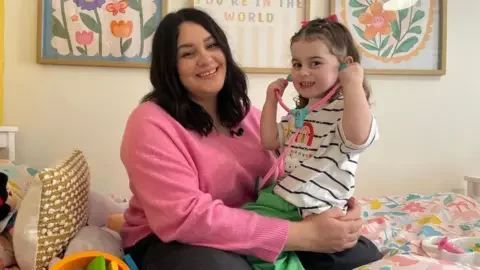
Mental health issues during pregnancy or in the year following birth, collectively termed the perinatal period, are more common than often perceived. Up to 1 in 5 new mothers experience such difficulties, including anxiety, intrusive thoughts, and trauma from birth. A rarer, more severe condition, puerperal or postpartum psychosis, represents a psychiatric emergency requiring prompt intervention. Charities like Action on Postpartum Psychosis and MumsAid, alongside services like perinatal mental health teams, play a vital role in supporting mothers through these challenging times.

Seeking Help and Broader Context
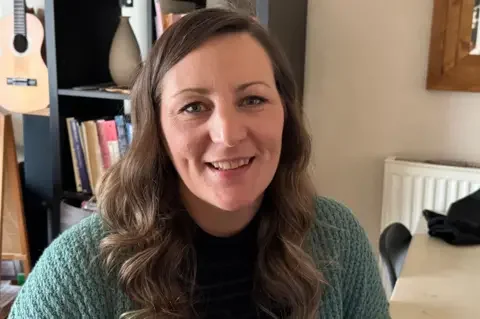
The journey to seeking and receiving help for maternal mental health concerns can be multifaceted. Professionals, including GPs, psychiatrists, midwives, and health visitors, can be approached for information and support. The experience of individuals like Katrina Weynberg, whose postpartum psychosis symptoms were initially overlooked, underscores the importance of early identification and awareness. This situation points to an ongoing need for open dialogue and accessible services to address mental health struggles, urging mothers to view their mental well-being with the same seriousness as their physical health.
Read More: Best small cars in UK 2024: Fiat Panda and Renault Clio top expert lists
Historical and Research Perspectives
The concept and practice of Mother and Baby Units are subjects of ongoing analysis and research, with academic works exploring aspects such as care protocols and discharge strategies. Early identification and intervention are consistently emphasized as critical factors in managing maternal mental health crises effectively.