The clerical council in Tehran has named Mojtaba Hosseini Khamenei as the new Supreme Leader of Iran. This choice ends a week of silence following the death of his father, Ayatollah Ali Khamenei, who was killed in US-Israeli airstrikes on February 28. At 56, the younger Khamenei takes the highest office in the country without ever having won an election or held a public government job.

He was the gatekeeper for his father’s office.
He has deep roots in the Islamic Revolutionary Guard Corps (IRGC).
His rise turns a revolutionary republic back toward a dynastic system that the 1979 uprising originally overthrew.
The appointment signals that the security apparatus, specifically the IRGC, has chosen a known shadow figure over a public reformer to ensure the system does not crack after the air war.

Power Without a Title
Mojtaba Khamenei is a mid-ranking cleric who lacks the high religious rank usually needed for this job. For years, he operated as a ghost in the hallways of power, teaching in the Qom seminary while managing the business and security interests of his father.
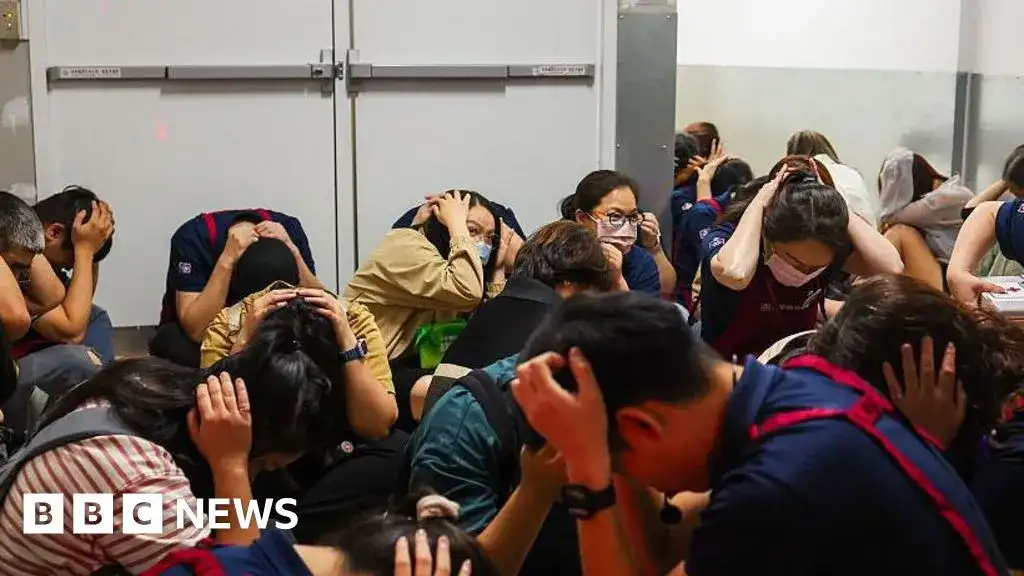
Read More: Taiwan Holds Nantou County Drills to Prepare for State Collapse
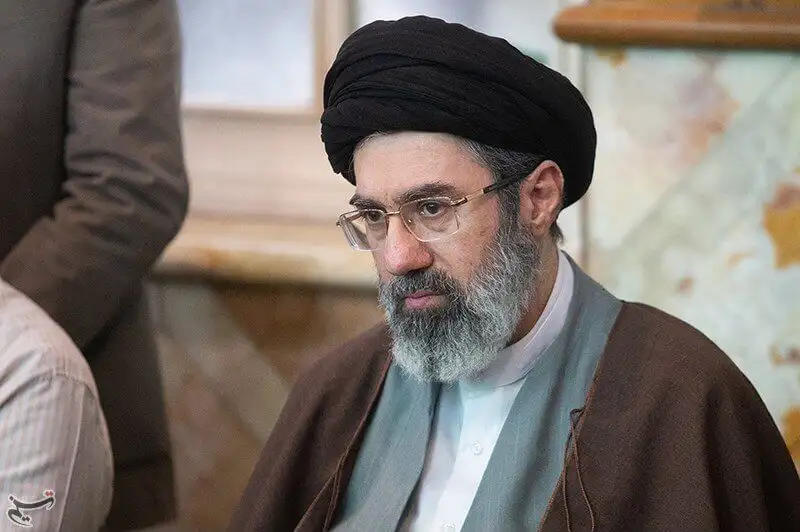
"Should anybody from any of these factions become the new leader, the days of the Guards will be numbered," - Framing of the internal power struggle before the pick.
| Entity | Relation to Mojtaba | Influence Type |
|---|---|---|
| IRGC | Primary Backer | Military and Economic muscle |
| Basij | Orchestrator | Street-level paramilitary control |
| Haddad-Adel Family | In-laws | Political hardline legitimacy |
| Assembly of Experts | Formal Electorate | 88 clerics who signed the papers |
He is known for heavy hands behind the scenes. In 2005, he was the force that pushed Mahmoud Ahmadinejad into the presidency. He uses the Basij paramilitary to keep the streets quiet. Protesters have previously chanted against him by name, fearing this exact hand-off of power from father to son.

The Friction of Succession
The move is an act of staying the course while the house is on fire. By picking the son, the regime tells the US and Israel that the strikes did not break the chain. However, this hereditary lean creates friction with the original promises of the Islamic Republic.
US Reaction: President Donald Trump has already labeled the younger Khamenei "unacceptable."
Military Ties: His authority comes from being close to the guns and the money, not from being a holy man.
War History: He served in the Iran-Iraq war in the 1980s and was injured, giving him "soldier" credit with the aging military elite.
Background: The Path From the Shadows
Mojtaba was born in Mashhad. He went to the Alavi School in Tehran, a place for the children of the religious elite. He spent eight years teaching theology in Qom, but his real work was as his father's assistant. He married the daughter of Gholam-Ali Haddad-Adel, a former parliament speaker, locking him into the inner circle of the hardliners.
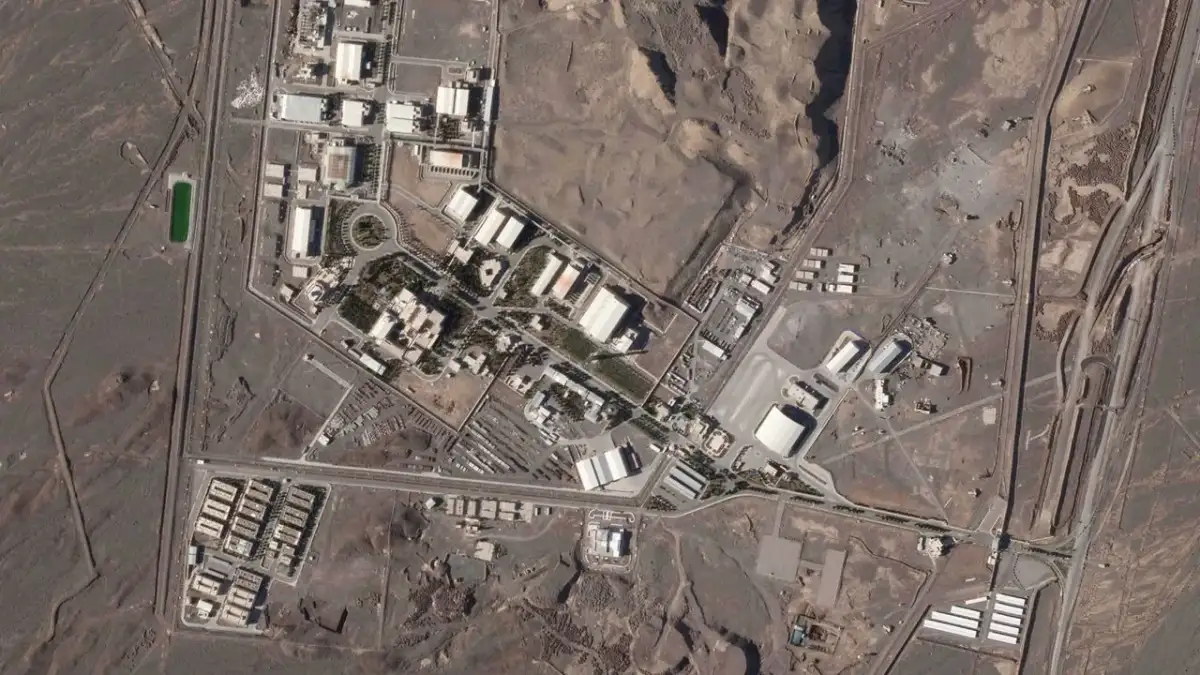
Read More: Iran Zagros Mountain Nuclear Site Construction Update April 2026
While the constitution says the Assembly of Experts chooses the leader based on merit, the reality of the air strikes and the need for survival made the bloodline the safest bet for those currently holding the weapons. Iran remains at a crossroads where the new leader is a copy of the old one, just younger and more tied to the soldiers than the scripture.