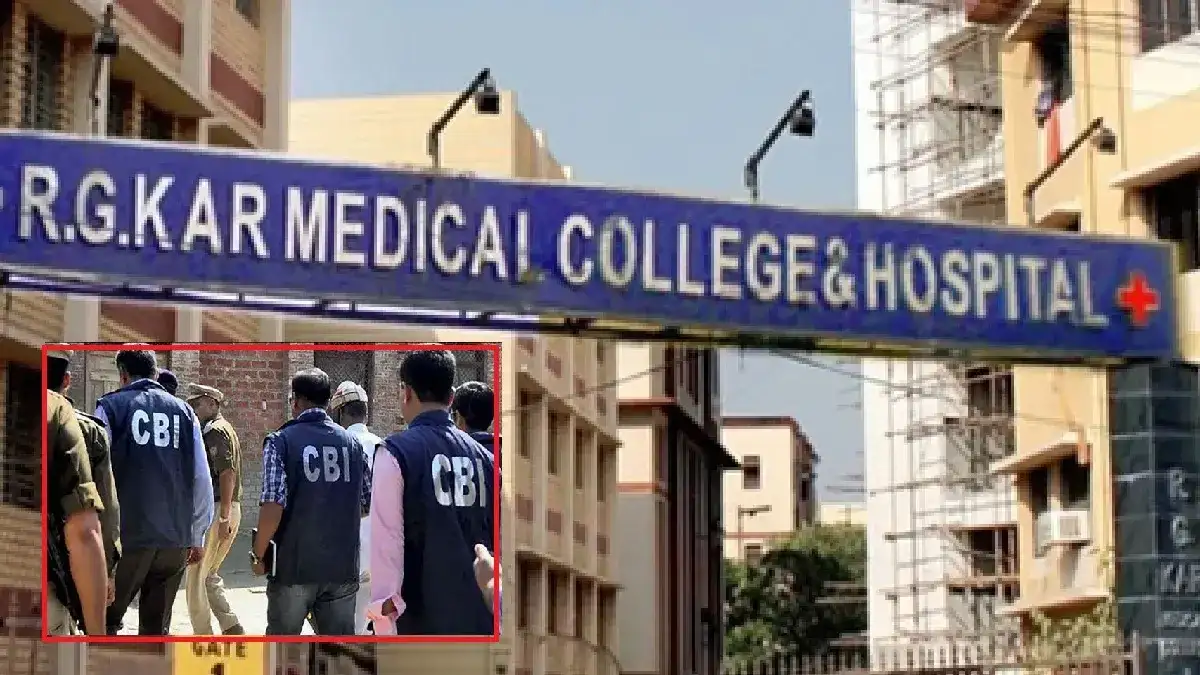
At least seven individuals, including a Trinamool Congress (TMC) leader, have been arrested in connection with the January 2 assassination of TMC councillor Dulal Sarkar in Malda. Narendranath Tiwari, identified as the president of the TMC's Englishbazar town unit, was detained following extensive interrogation, implicated in an alleged contract worth Rs 50 lakh for Sarkar's murder.

The escalating unrest in Malda took a dramatic turn with a separate incident where seven judicial officers were held hostage during voter list revision work, prompting a strong rebuke from the Supreme Court. Chief Minister Mamata Banerjee disavowed knowledge of the hostage situation, stating her administration's diminished control over the state.

THE COUNCILLOR'S KILLING AND ITS AFTERMATH
The investigation into the murder of Dulal Sarkar, a TMC councillor from English Bazar Municipality, has led to the apprehension of multiple suspects. Authorities disclosed that Narendranath Tiwari and Swapan Sharma were arrested on January 8, with Sharma noted as having a criminal history. Earlier, on January 3, police arrested alleged contract killers from Bihar, Shami Akhtar and Abdul Gani, along with local resident Tinku Ghosh. Two other local residents, Amit Rajak and Abhijit Ghosh, were taken into custody on January 4, bringing the total arrests to seven.
Read More: Third Teen Charged in Fatal Stabbing Near Melbourne Hospital on Wednesday

The motive behind Sarkar's assassination remains obscure, though reports suggest a conspiracy involving a substantial sum of money. More individuals believed to be involved in the attack are reportedly still at large. The violence in Malda appears to be part of a broader pattern, with fresh clashes erupting on January 14 resulting in the death of another TMC worker, Ataul Haque alias Hasu Sheikh, and critical injuries to two others, including local committee president Bakul Sheikh. Eyewitnesses attributed this incident to a feud over territorial dominance.
Read More: Om Birla asks West Bengal MLAs for solutions, not just criticism
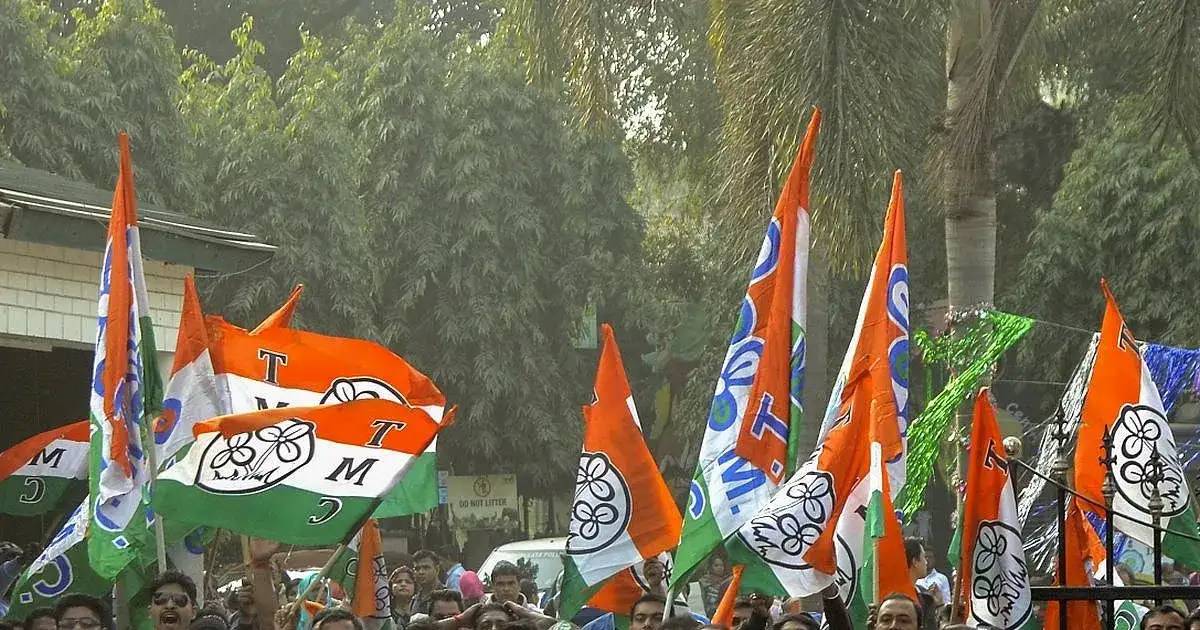
POLITICAL TENSIONS AND JUDICIAL INTERVENTION
The events have amplified political friction, particularly between the ruling TMC and opposition parties. The Chief Minister, on the day of Sarkar's murder, had publicly criticized the district police for negligence. Her subsequent remarks regarding the hostage incident, suggesting a loss of control over state administration, have further intensified the scrutiny. The Supreme Court's intervention in the hostage situation underscores the gravity of the escalating law-and-order concerns in the region.
BACKGROUND: MALDA'S UNRAVELING SITUATION
The Malda district has become a focal point for a series of unsettling incidents. The assassination of Dulal Sarkar, a party figure, and subsequent violence, coupled with the disturbing hostage event involving judicial officers, paints a picture of deep-seated instability. These developments coincide with protests stemming from allegations of large-scale deletions from voter lists during a Special Intensive Revision (SIR) process. The interconnectedness of these events—political rivalries, alleged contract killings, and administrative challenges—creates a complex narrative of unrest in West Bengal.
Read More: Three hearses burned in Roselands arson attack on 4 April 2026


/cloudfront-ap-southeast-2.images.arcpublishing.com/nzme/RVI7RFHOI34HTKKRUG3LS6DNVY.jpg)