

Ten years after its debut, Mob Psycho 100 has cemented its place not just as a visually striking animated series, but as a profound exploration of empathy and self-acceptance within the often power-fantasy-driven 'shonen' genre. The anime, available on Crunchyroll, has recently hit its ten-year anniversary, sparking renewed discussions about its lasting impact and its unique standing among contemporary and classic titles.
The series centers on Shigeo Kageyama, known as Mob, a young esper grappling with overwhelming psychic abilities he views as a burden, a perception shaped by childhood trauma. Unlike many protagonists who revel in their exceptional gifts, Mob's struggle is internal, marked by difficulty in expressing himself and a deep-seated fear of his own power.
A Different Kind of Mentor
A crucial element distinguishing Mob Psycho 100 is its portrayal of Reigen Arataka, Mob's supposed mentor. Far from a conventional figure of strength or moral guidance, Reigen’s unconventional approach and his own insecurities offer a complex dynamic that complements Mob’s journey. This relationship, underscored by a potent dose of empathy, stands in contrast to the more typical mentor archetypes seen in other prominent shonen series like Dragon Ball or Hunter x Hunter.
Read More: Cyberpunk Edgerunners 2: New Characters Arrive on Netflix This Fall
Shonen Landscape: A Shifting Terrain
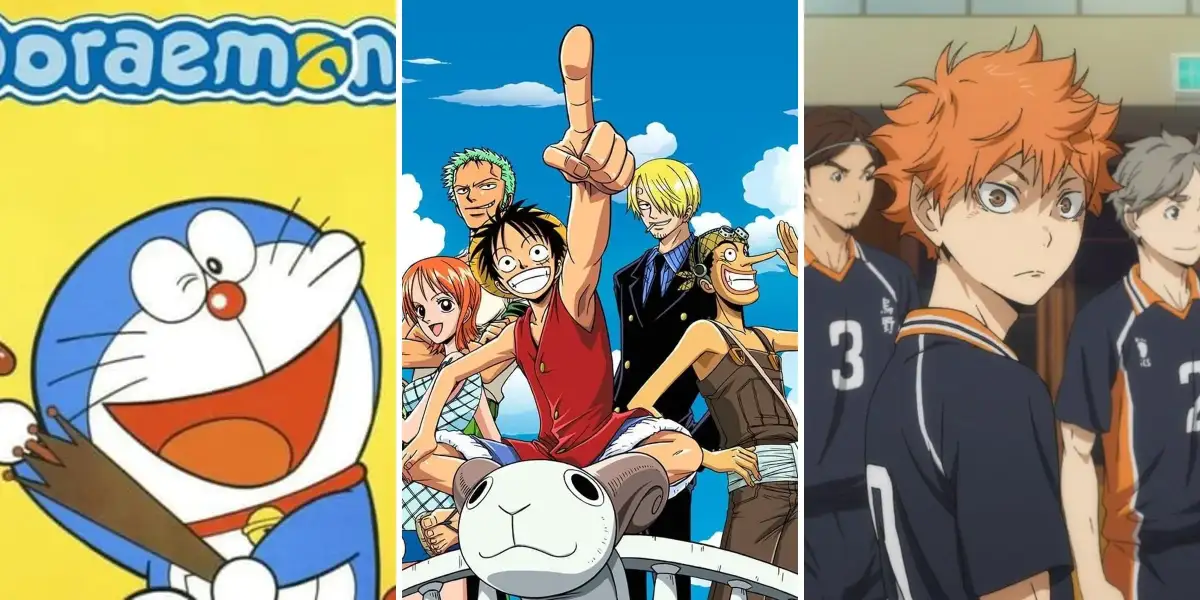
The anniversary arrives as various publications continue to rank and re-evaluate the breadth of the shonen genre. Lists from outlets like IGN and Gamerant frequently feature established giants such as Dragon Ball, One Piece, and Naruto, acknowledging their foundational role in shaping the demographic. However, there's a growing recognition of newer series, with some recent articles from May 2026 even positing that "new-gen shonen" can surpass these classics in storytelling and execution.
The appeal of shonen anime, as noted by multiple sources, lies in its ability to deliver heart-pounding action, memorable characters, and narratives that resonate long after viewing. Yet, Mob Psycho 100's continued relevance points to a deeper wellspring of appeal: its focus on emotional development and nuanced character relationships, a departure from the singular power fantasies that often dominate the genre. Some critics highlight that series can score a "10/10" not through typical fight scenes, but through powerful explorations of morality and character development, creating worlds that feel palpably real.
Read More: Taylor Swift and Travis Kelce Marry at Madison Square Garden
Looking Back, Moving Forward
While Mob Psycho 100 may not fit the mold of franchises known for epic battles and world-building like Attack on Titan or the intricate systems of sports anime like Haikyuu!! (often discussed in relation to training camps and tournament play), its decade-long presence underscores a broader evolution within shonen. The series' emphasis on psychological depth and personal growth suggests that the genre's enduring strength lies not only in explosive displays of power but also in its capacity to reflect the complexities of the human experience.






:max_bytes(150000):strip_icc():focal(799x0:801x2)/nyc-sky-taylor-swift-travis-kelce-wedding-070326-2dc0d912004b400eac2c8c8b5adeff2a.jpg)