


A Series Defined by What It's Not
Ten years on, Boruto: Naruto Next Generations exists in a persistent echo of its predecessor. It's a show grappling with the weight of expectation, perpetually measured against the colossal shadow of Naruto. The narrative, particularly in its initial phase, often hinges on the very idea that Boruto cannot, and perhaps should not, simply be another Naruto. This distinction, framed by the protagonist's childhood angst and strained relationships with authority figures – a direct result of Naruto's discontinuous presence – is presented as a core, albeit challenging, aspect of the sequel's identity. The series' struggle to establish its own footing, distinct from the immense success of Naruto, forms a central, inescapable theme.
Creator's Perspective on Divergence
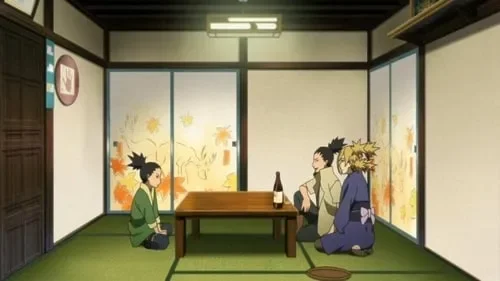
Masashi Kishimoto, the creator of Naruto, has openly discussed the inherent difficulties in following such a beloved series. His comments, shared across recent analyses, suggest a deliberate effort to steer Boruto away from replicating Naruto's formula. Kishimoto's perspective is that the original series effectively "used up all the good ideas," making a direct replication both uninspired and, frankly, impossible. He acknowledges that Boruto's personality and the narrative's villains might appear less compelling when stacked against Naruto's unparalleled characterization. This deliberate divergence, while perhaps necessary to set Boruto apart, has undeniably contributed to fan division and debate about its authenticity as a successor.
Read More: Cyberpunk Edgerunners 2: New Characters Arrive on Netflix This Fall
Fan Discontent and Narrative Stumbles
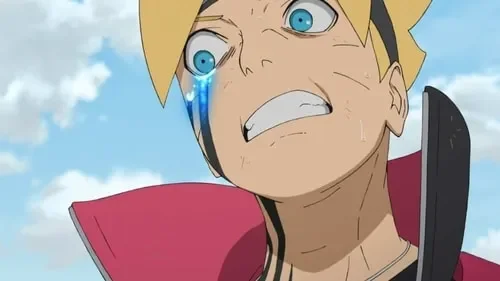
The sentiment that Boruto has "lost the battle" to become the true successor to Naruto's masterpiece is a recurring point of discussion among the fanbase. This disillusionment stems from several key areas:
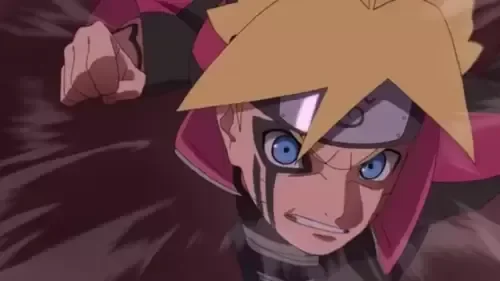
Inconsistent Power Levels: The series has struggled with maintaining stable and believable power scaling for its characters.
Underutilization of Classic Characters: Fan-favorite characters from the original Naruto series often find themselves sidelined or their established power levels significantly diminished, a move some argue has "ruined Naruto's legacy."
Rushed Storytelling: Critics point to a narrative pace that feels hurried, lacking the depth and careful development that characterized Naruto.
Narrative Choices Impacting Legacy: Specific plot developments have led to fan division, with many feeling that certain narrative choices negatively impact the established legacy of the Naruto franchise.
The departure of Kishimoto from a direct writing role, only to later return and face criticism, further highlights the complex production and reception of Boruto. While the series is acknowledged to possess merit and has evolved, including character growth for Boruto and Sarada Uchiha, its ability to consistently reach the narrative highs of Naruto remains a point of contention. The existence of Boruto: Two Blue Vortex suggests a continued narrative, but the questions surrounding its long-term impact and potential for a direct sequel linger.
Read More: Taylor Swift and Travis Kelce Marry at Madison Square Garden
A Difficult Inheritance
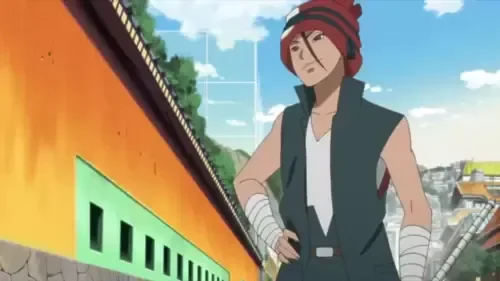
The very premise of Boruto is built on inheriting a world already shaped by Naruto's triumphs and sacrifices. This creates an inherent challenge: how does a new protagonist forge their own path when their lineage is so profoundly established? The series attempts to explore this by leaning into Boruto's own struggles and deviations, but the comparison to Naruto, both in terms of character and narrative impact, remains unavoidable. The outcome is a sequel that, while streaming on platforms like Netflix and Crunchyroll, is continually assessed not just on its own merits, but on its perceived successes and failures in honoring, rather than simply repeating, its groundbreaking predecessor.




:max_bytes(150000):strip_icc():focal(799x0:801x2)/nyc-sky-taylor-swift-travis-kelce-wedding-070326-2dc0d912004b400eac2c8c8b5adeff2a.jpg)