A recent report details a situation involving an individual previously tasked with reviewing Minnesota Medicaid fraud who was found to have vandalized two Teslas. This incident brings to light broader concerns about the integrity of oversight within the state's Medicaid program and the complex landscape of combating widespread fraud. The investigation into these acts and the systemic issues within the Medicaid bureaucracy are ongoing, with significant financial implications for the state and its taxpayers.
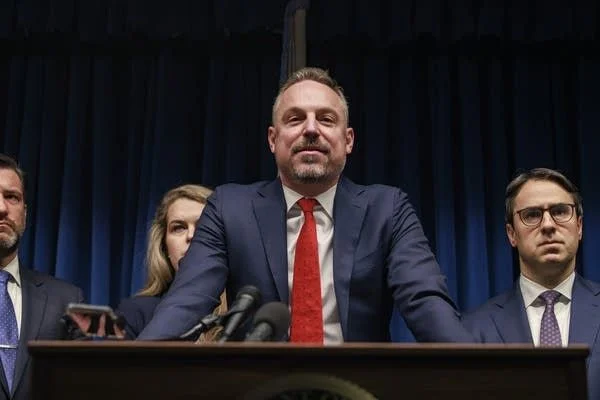
Context of Medicaid Fraud in Minnesota
Minnesota has been grappling with substantial Medicaid fraud for an extended period. Federal prosecutors have initiated new charges tied to what they describe as "staggering" fraud, with estimates suggesting the total amount of fraud in the state could exceed $9 billion. This has prompted state officials to launch a fact-checking web page to combat misinformation and strengthen public understanding of the issue. The state is also increasing staff to review approximately 6,000 Medicaid providers for potential fraudulent activities and has implemented a pre-payment system to flag questionable claims. The complexity of this issue is compounded by a decade-long effort by state and federal prosecutors to address various fraud schemes within Minnesota's Medicaid system.
Read More: MN Governor Walz Does State Work on Memorial Day
The Incident: Keyed Teslas and a Fraud Reviewer
A recent report by Twitchy highlights an incident where an individual involved in reviewing Minnesota Medicaid fraud was found to have keyed two Tesla vehicles, causing an estimated $20,000 in damages. The article implies that this individual's actions have gone unpunished by local prosecutors, leading to criticism and a call for federal intervention. The author suggests that this individual should have been terminated and faces potential federal charges related to the Medicaid fraud he was reportedly investigating.

Systemic Vulnerabilities and Oversight
Multiple sources point to underlying systemic issues that make Minnesota particularly susceptible to Medicaid fraud. The state has been part of a national shift from institutional care to home and community-based services for people with disabilities. While this move is seen as a positive human rights transition by advocates, it also presents significant oversight challenges. The move to more independent living arrangements, while beneficial for recipients, is inherently more difficult to monitor than traditional institutional settings. This bureaucratic complexity, coupled with federal policies that offer little incentive for states to curb potential fraud, creates fertile ground for exploitation.
Read More: Acting DNI Pulte Fires Dozens of Intelligence Officials Starting Thursday
Law Enforcement and Prosecutorial Efforts
Despite the challenges, law enforcement and prosecutorial efforts are active. The U.S. Attorney's Office for the District of Minnesota, in collaboration with the Criminal Division's Fraud Section, is working to combat widespread fraud. This collaboration has led to guilty pleas in cases involving individuals described as "fraud tourists." Notably, one case involved the first documented charges of using artificial intelligence to further a fraud scheme targeting health care programs in Minnesota. The state's Department of Human Services acknowledges the problem, with officials stating that "speculation, intentional misinformation and amateur investigations will not stop fraud."
Broader Implications and Analysis
The case of the keyed Teslas, if accurately reported, raises questions about internal controls and the effectiveness of vetting individuals assigned to sensitive oversight roles. The involvement of a reviewer in such acts, while under investigation for or tasked with addressing fraud, presents a significant irony. The extensive nature of Medicaid fraud in Minnesota suggests a deeply entrenched problem that requires multifaceted solutions, extending beyond individual cases. Fixing federal policy and improving the efficacy of state-level oversight appear to be critical steps.
Read More: Shane Roper fatal crash trial set for June 24 in Rochester Minnesota
Conclusion and Next Steps
The situation in Minnesota underscores a dual challenge: addressing substantial Medicaid fraud and ensuring the integrity of the systems and personnel tasked with its prevention and prosecution. The state's efforts to enhance oversight through new web pages and increased staffing are notable. However, the reported incident of vandalism by an individual involved in fraud review suggests that further scrutiny of internal processes and accountability measures may be warranted. The ongoing federal investigations and the scale of estimated fraud indicate that comprehensive reforms to both federal policy and state-level implementation are necessary to effectively combat this complex issue.
Sources:
Twitchy: This article focuses on a specific incident involving an individual allegedly involved in reviewing Medicaid fraud who also vandalized vehicles. It adopts a critical and partisan tone, advocating for more stringent federal action. https://twitchy.com/justmindy/2026/02/16/dylan-bryan-adams-minneapolis-key-tesla-n2425080
CBS News Minnesota: This report details the state's proactive measures, including the launch of a fact-checking web page and a pre-payment system to combat Medicaid fraud. It quotes state officials emphasizing the need for official data over speculation. https://www.cbsnews.com/minnesota/news/medicaid-fraud-minnesota-fact-check-web-page-dhs/
Reason: This article frames the Minnesota welfare fraud issue as a symptom of a broken Medicaid bureaucracy, highlighting systemic policy flaws at the federal level that create weak incentives for states to combat fraud. https://reason.com/2025/12/30/the-minnesota-welfare-fraud-story-is-really-about-a-broken-medicaid-bureaucracy/
MPR News: This news outlet reports on federal charges being brought in relation to significant Medicaid fraud in Minnesota, quoting a U.S. Attorney on the "staggering" nature of the fraud. https://www.mprnews.org/story/2025/12/18/minnesota-fraud-new-charges-medicaid-scam
MPR News: This report focuses on the state's efforts to combat fraud by adding staff to review a large number of Medicaid providers. https://www.mprnews.org/story/2026/02/03/state-adding-staff-review-medicaid-providers-minnesota-potential-fraud
U.S. Department of Justice: This press release details guilty pleas in a Minneapolis Medicaid fraud case, highlighting the collaborative efforts between federal agencies and the involvement of artificial intelligence in a fraud scheme. https://www.justice.gov/opa/pr/fraud-tourists-plead-guilty-minneapolis-medicaid-fraud
Star Tribune: This article investigates the reasons behind Minnesota's vulnerability to Medicaid fraud, exploring the challenges associated with overseeing the transition to home and community-based services. https://www.startribune.com/why-is-minnesota-so-vulnerable-to-medicaid-fraud/601567547