

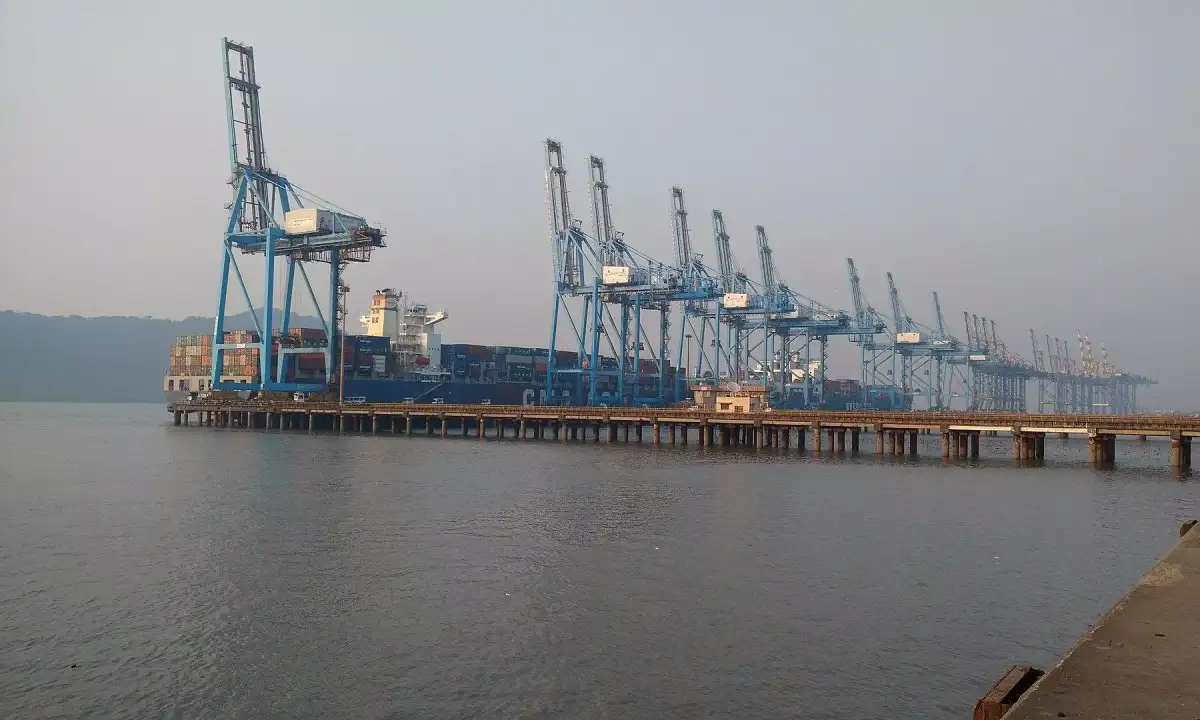
The machinery of global trade has hit a jagged snag. Starting March 2, 2026, shipping giants began slapping an "Emergency Conflict Surcharge" on everything moving toward the Persian Gulf and Red Sea, effectively bloating freight costs by 250 percent. Following military strikes involving Iran, the veins of the Strait of Hormuz and the Red Sea have become expensive risks that carriers are passing directly to the bill-payer.
"This surcharge applies to any booking issued on or after March 2nd, 2026, cargo not yet shipped, as well as cargo already afloat but not yet discharged." — CMA CGM Advisory
The Box Tax
The price to move a metal box through these hot waters is no longer a matter of distance, but of fear and war-risk premiums. CMA CGM and Cargo Plan International have set a rigid fee structure for the region:
| Equipment Type | Surcharge Amount (USD) |
|---|---|
| 20’ Dry Container | $2,000 |
| 40’ Dry Container | $3,000 |
| Reefer / Special Equipment | $4,000 |
The tax hits ports in Iraq, Bahrain, Kuwait, Yemen, Qatar, Oman, UAE, Saudi Arabia, Jordan, Egypt (Ain Sokhna), Djibouti, Sudan, and Eritrea.
Ocean Network Express (ONE) has gone a step further, cutting off new bookings for the Persian Gulf entirely.
Even goods already on ships—"afloat" in the industry's clunky tongue—are being hit with these retroactive fees, leaving traders with no way to dodge the bill.
Thin Air and Blocked Skies
The mess isn't just on the water. The air above the desert is closing. Qatar Airways Cargo stopped flying as Qatari airspace shut down, while other operators are scrambling to find paths that don't involve being shot at.
Read More: FIFA World Cup 2026 Revenue Reaches $15 Billion With New Ticket Prices
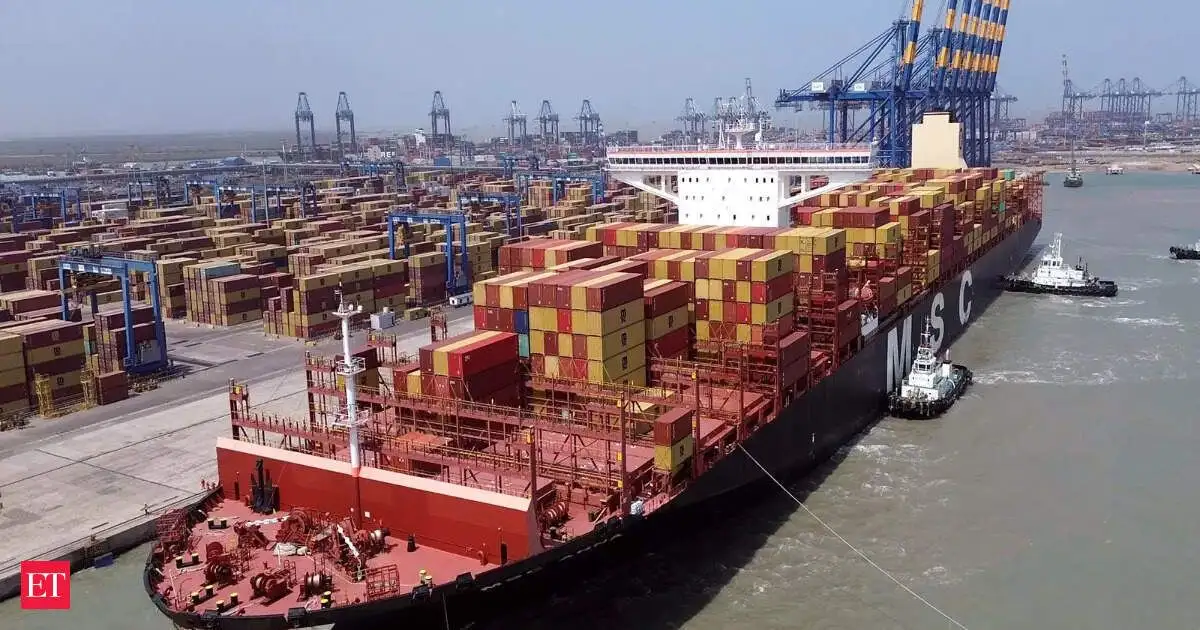
Air capacity is shrinking as flight paths lengthen to avoid conflict zones.
Higher bunker fuel costs and insurance spikes are making air freight rates climb, though the exact ceiling isn't yet visible.
Logistics giants have stopped picking up or dropping off packages in several Gulf nations, turning "just-in-time" delivery into "whenever-it-clears."
The Regulatory Side-Eye
The Federal Maritime Commission (FMC) is watching this price-hiking spree with some suspicion. While carriers claim they need the money to protect "crew and vessels," the FMC reminds them of the 30-day notice rule for US-bound trades. Carriers are asking for "special permission" to bypass this rule, citing the suddenness of the Iranian disruption.
Reflection: The Fragility of the Chokepoint
This isn't just a spike in a spreadsheet; it is a reminder that the world’s logistics are pinned to a few narrow strips of water. When those strips get hot, the math of global capitalism breaks. The carriers move fast to protect their margins, calling it "operational continuity," but for the trader at the end of the line, it is simply a 250% tax on existence in a volatile geography.
As insurers reassess risk, the cost of the conflict is being baked into the price of every refrigerated mango and dry-docked machine part. The ports in Africa offer little relief; they are limited, crowded, and just as confused by the sudden rerouting of the world's TEU capacity.
Read More: Australia-US Trade Dispute: New Tariffs Cause Friction


