Brent crude has seen its steepest weekly ascent since 2020, with prices for a barrel nearing $89. This spike appears directly linked to escalating tensions and potential supply disruptions emanating from the Middle East.
Qatar’s energy minister has flagged that ongoing conflict in the region 'could bring down the economies of the world,' projecting negative impacts on growth, increased energy bills, and product shortages. Commercial traffic through the vital Strait of Hormuz has reportedly ground to a near standstill due to elevated security risks, mounting insurance costs, and operational uncertainties. In response, some producers have begun halting output, further tightening an already strained market.
Global Market Ripples
The instability is not confined to oil. European gas prices are showing an upward trend again. British government debt, tracked as UK gilt yields, is also experiencing its most significant weekly increase since the market shockwaves caused by the 'mini-budget' under Liz Truss.
Read More: Solaris Energy SEI Stock Price Forecast Reaches $91.98 by July 2027
Shifting Trade Routes and Strategic Moves
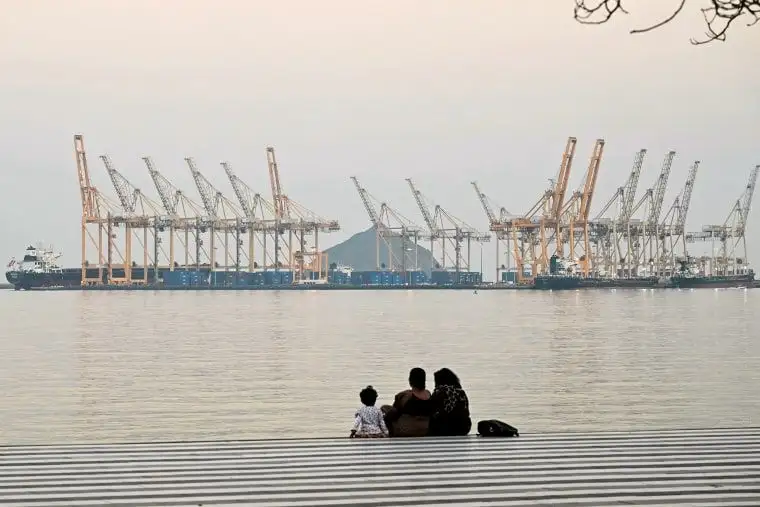
Reports indicate Saudi Arabia has adjusted its strategy, raising oil prices for Asian buyers and rerouting some shipments through the Red Sea to circumvent the Strait of Hormuz. Meanwhile, the United States has signaled potential interventions, including the possibility of releasing oil from strategic reserves and a temporary allowance for India to purchase some Russian crude already en route.
Contributing Factors
Adding to the complex tapestry of factors influencing prices are:
Iran's stance: Statements suggest Iran is not currently seeking negotiations, signaling a protracted period of high tension.
Russia's export controls: In response to Ukraine's strikes on Russian energy facilities, Russia has announced a partial ban on diesel exports through the end of the year and extended existing restrictions on gasoline shipments. Ukraine’s actions have also prompted Moscow to signal potential crude production cuts.
Iraqi Kurdistan output: Agreements in principle have been reached between Iraqi federal and regional governments with eight oil firms operating in Iraqi Kurdistan to restart exports, which account for over 90% of the region's production. These exports were previously halted.
US sanctions and rhetoric: Increased sanctions on Iran by the Trump administration, coupled with public statements suggesting a prolonged conflict between the US, Israel, and Iran, have heightened concerns about sustained global energy market disruptions.
Market Context
Brent crude oil, a benchmark for international prices, is derived from sources like the North Sea. Its price is a key indicator for global energy markets and has implications far beyond fuel, as crude oil is a fundamental raw material for plastics, cosmetics, and medicines. The current price dynamics reflect a delicate balance between limited supply and ever-growing demand, a situation exacerbated by geopolitical instability.