U.S. CLAIMS SUCCESSFUL PASSAGE THROUGH HORMUZ, IRAN DENIES; TRUMP ISSUES STARK WARNING
The Strait of Hormuz has become a focal point of escalating tensions, with conflicting reports emerging regarding maritime traffic and skirmishes between U.S. and Iranian forces. The U.S. military's Central Command (Centcom) reported that two U.S.-flagged merchant vessels successfully transited the Strait of Hormuz, with U.S. Navy guided-missile destroyers actively operating in the gulf. Centcom asserted that no U.S. Navy ships have been struck and that naval blockades on Iranian ports remain in effect.
Conversely, Iran's Revolutionary Guards vehemently denied these claims, labeling them as "complete lies" and stating that no commercial ships had passed through the strait. This contradiction comes amidst broader regional unrest, including reported missile and drone activity impacting the United Arab Emirates.
TRUMP'S UNYIELDING STANCE AMIDST FRAIL CEASEFIRE
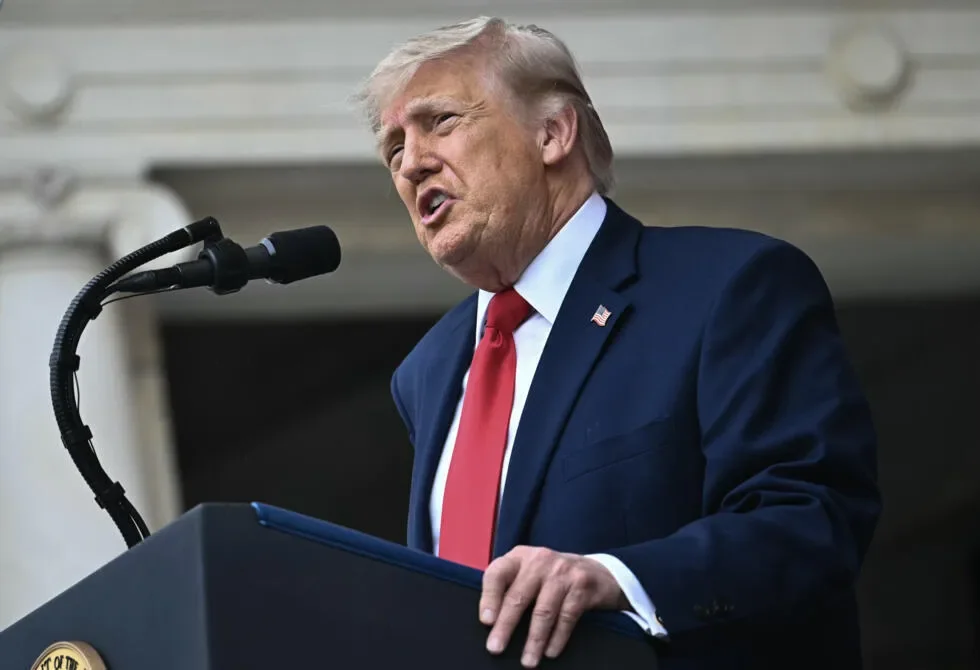
U.S. President Donald Trump has issued a grave warning to Iran, stating that Iranian forces would be "blown off the face of the Earth" should they target U.S. ships. This rhetoric underscores the precarious nature of the current situation, even as the U.S. claims to be initiating efforts to guide stranded ships through the Strait of Hormuz under an initiative dubbed 'Project Freedom'.
Read More: Iran Warns Gulf States After U.S. Naval Clash
The situation deteriorated further with reports from the UAE of intercepted missiles and a drone sparking a fire at an oil facility. While some reports suggest Iranian missiles struck a U.S. frigate, the U.S. military has denied any vessels were hit. This exchange of fire is seen as a direct test of a fragile ceasefire that has been in place.
REGIONAL REACTIONS AND INTERNATIONAL DIPLOMACY
The United Arab Emirates has stated its air defenses are responding to missile threats amid the conflict. Meanwhile, the U.S. and Gulf Arab nations are reportedly drafting a UN Security Council resolution aimed at condemning Iran for its actions in the Strait of Hormuz. The U.S. is also reportedly urging countries like South Korea to join the 'Project Freedom' mission.
Read More: Gulf Oil Exports Rise in June but Still Below Pre-War Levels
BACKGROUND: A HISTORY OF FRICTION
The recent escalations follow a period of significant military operations. 'Operations Roaring Lion' and 'Epic Fury', launched by Israel and the U.S. on February 28, were framed as efforts to create conditions for regime change in Iran. These operations were followed by a ceasefire announcement on April 7, effective April 8. However, the interim has been marked by persistent friction, including missile attacks across Israel and casualties on both U.S. and Israeli sides.
The U.S. has also imposed new sanctions on Iran-China oil trade. Treasury Secretary Scott Bessent has indicated Washington is observing China's diplomatic engagement with Iran concerning the Strait of Hormuz. The geopolitical landscape remains tense, with reports of significant casualties resulting from earlier hostilities, including twelve IDF soldiers and 23 civilians killed in Israel, and 13 U.S. soldiers reported dead. The conflict also saw three Indian citizens wounded in an Iranian drone attack on a UAE oil facility.
Read More: Russia Boosts Air Defense Against Ukraine Drone Attacks