Hong Kong is experiencing the world's highest gasoline prices, with figures reaching as high as $15 per gallon. This extreme cost is largely attributed to a confluence of factors including high fuel taxes, substantial land costs for refueling stations, and the broader 'global energy crisis' stemming from the conflict involving Iran and the Strait of Hormuz. This situation is prompting residents to seek cheaper fuel options across the border in mainland China, where prices are significantly lower.
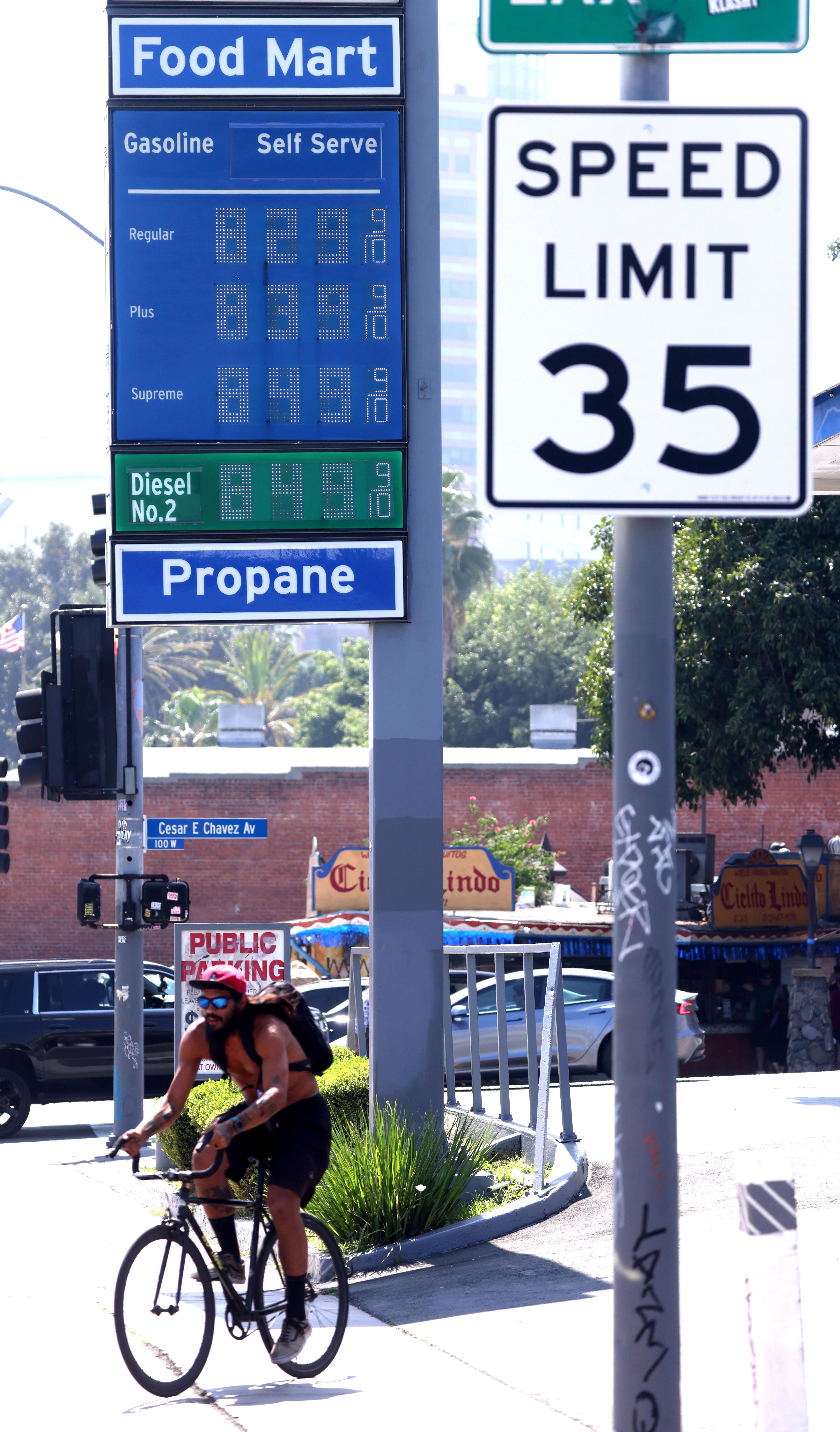
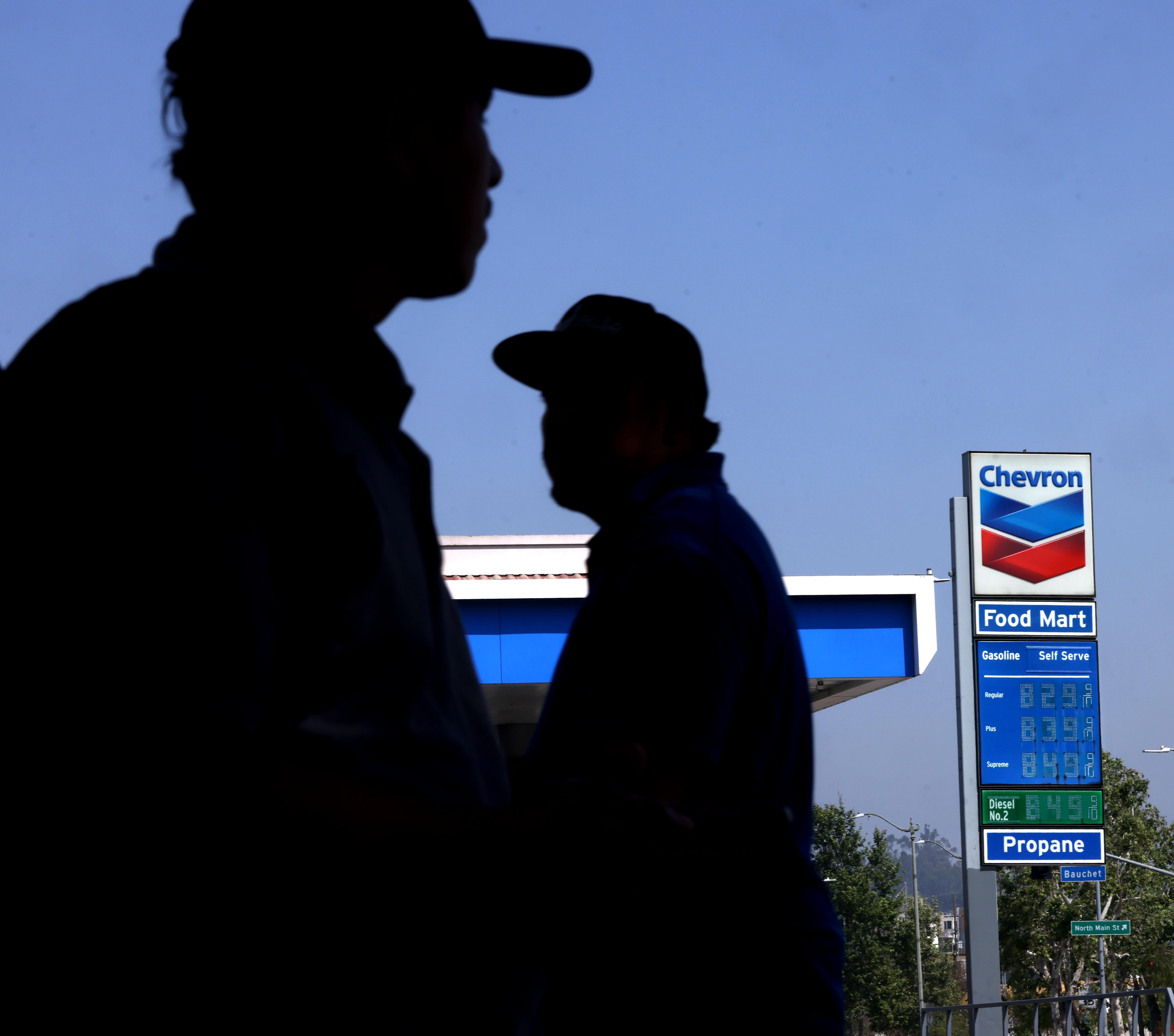
The surge in fuel prices is not confined to Hong Kong. The United States has also seen prices top $4 a gallon, a level not witnessed since 2022. This global phenomenon is impacting economies worldwide, increasing inflation and logistics expenses. While Hong Kong's government maintains that its fuel supply, primarily sourced from mainland China (80% of products), is stable, the sheer cost at the pump remains a stark reality for its drivers.
Read More: Goldman Sachs predicts 15 million US jobs lost to AI by 2036
Drivers of Extreme Pricing
Analysts point to a combination of internal policies and external geopolitical events as the root cause of Hong Kong's exorbitant fuel costs.

High Taxation and Land Costs: A significant portion of the price is driven by heavy fuel taxes and the considerable expense of acquiring land for gas stations in the densely populated city.
Geopolitical Instability: The ongoing conflict in the Middle East, specifically concerning Iran and the Strait of Hormuz, has created a global energy crisis, disrupting supply chains and driving up crude oil prices worldwide. This has a pronounced effect on economies like Hong Kong's, which depend heavily on energy imports.
Economic Dependence: Hong Kong and other Asian economies are particularly vulnerable due to their reliance on energy transported through sensitive maritime routes.
Local Impacts and Behavioral Shifts
The high cost of fuel is reshaping daily life and economic activity in Hong Kong.
Cross-border Travel: An increasing number of drivers are making trips to mainland China, such as neighboring Shenzhen, to refuel, drawn by prices that can be as low as one-third of Hong Kong's rates. This trend is mirrored in other sectors, with residents also finding groceries and dining cheaper in these mainland cities.
Economic Strain: Despite only 8.4% of the population owning private cars, the elevated fuel costs contribute to broader inflation and increased logistics expenses, affecting businesses and consumers across the board.
Global Context
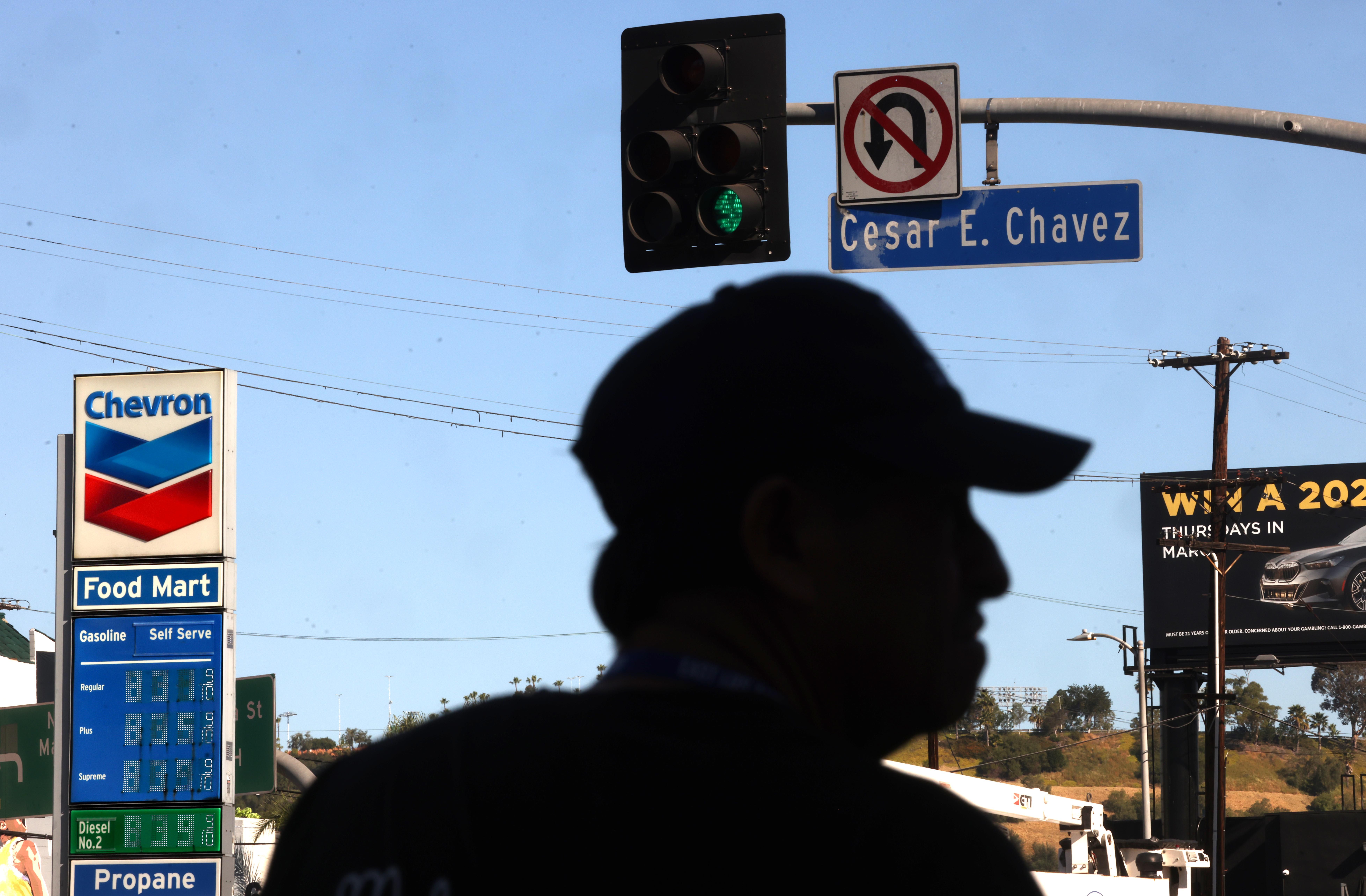
While Hong Kong faces the most extreme prices, other regions are also grappling with elevated fuel costs. In the United States, prices have hit $4 per gallon, a level not seen since 2022, with California notably experiencing some of the highest prices nationally, with cities like Mendocino reporting prices near $9.60 a gallon. Germany and the Netherlands also see substantial prices, partly due to 'eco taxes' aimed at reducing oil imports and funding social programs or renewable energy initiatives. Conversely, countries in oil-producing regions, such as Venezuela and Algeria, offer significantly lower prices.