

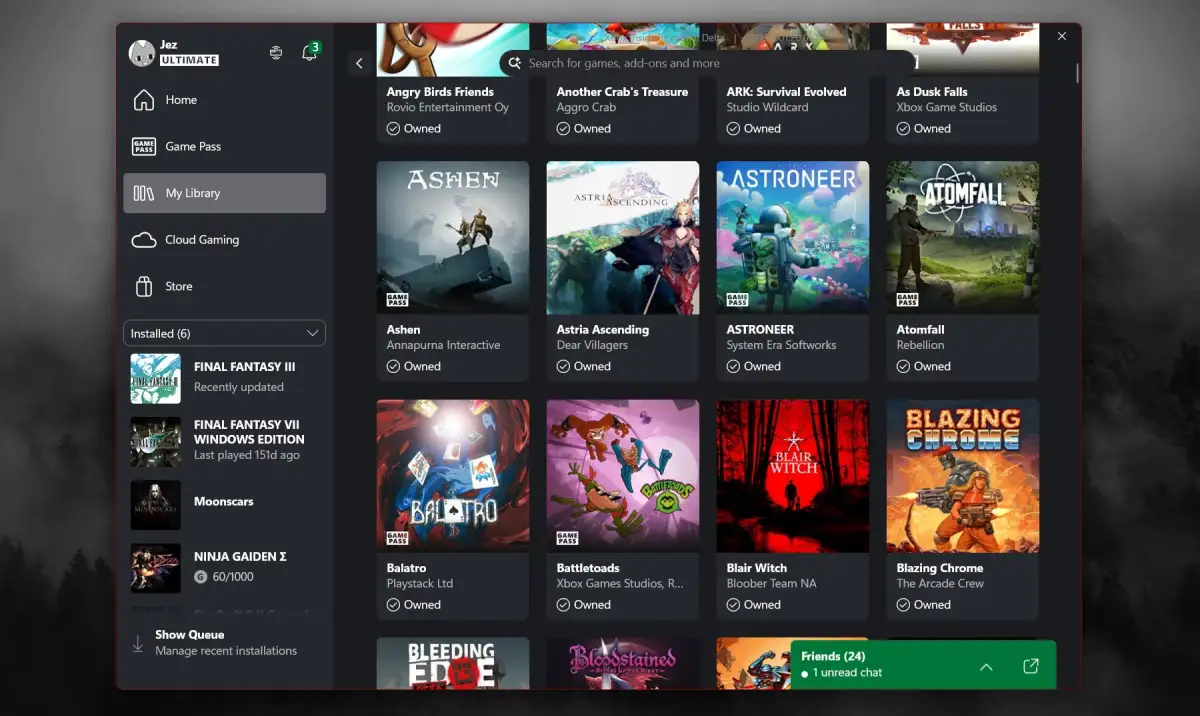
A SHIFT TOWARDS A UNIFIED ECOSYSTEM APPEARS TO BE THE CENTRAL TENET OF THE NEW HARDWARE.
Microsoft has officially confirmed its next-generation Xbox console is in development, bearing the codename Project Helix. This new hardware is designed as a hybrid platform, intended to bridge the gap between traditional console gaming and the flexibility of personal computers. The core ambition behind Project Helix is to foster a more unified gaming experience, where games, services, and hardware operate seamlessly across both Xbox and Windows PC environments. This approach is not entirely new for Microsoft, with existing initiatives like 'Xbox Play Anywhere' already enabling players to purchase a game once and access it on both platforms.
'HELIX' AIMING FOR PERFORMANCE LEAD
"Project Helix will lead in performance and play your Xbox and PC games."
This declaration from Asha Sharma, the new CEO of Xbox, signals a strong emphasis on raw power for the upcoming console. The aim appears to be a significant performance leap over the current generation of Xbox consoles. Early indications suggest Project Helix could potentially run titles from PC storefronts like Steam, in addition to its native Xbox library. This move toward a more PC-like architecture could streamline game development and reduce fragmentation, making it easier for games built on PC engines to scale across various hardware configurations.
Read More: New Pokémon Game Pokopia Rebuilds Kanto Region on Nintendo Switch 2

DECADE-LONG DEVELOPMENT ROOTS
The conceptual groundwork for Project Helix has been in the making for approximately ten years. This long gestation period points to a gradual evolution of Microsoft's broader gaming strategy. The idea of integrating Xbox hardware and Windows PCs has been a persistent theme, moving away from distinct ecosystems towards a more interconnected model. This long-term vision has shaped Microsoft's approach to game development and service delivery, laying the foundation for what is now Project Helix.

HISTORICAL CONTEXT AND MARKET QUESTIONS
Previous Xbox hardware has carried codenames such as 'Durango' (Xbox 360), 'Scorpio' (Xbox One X), 'Anaconda' (Xbox Series X), and 'Lockhart' (Xbox Series S). The confirmation of Project Helix follows a period of speculation and a somewhat turbulent year for the Xbox brand, including decisions to publish formerly exclusive titles on other consoles. This has raised questions among long-term fans.
Read More: Google Analytics Stops Old Data Processing July 1 2023 For New Event Tracking

The announcement of Project Helix, while confirming new hardware, has been notably light on specific details. The emphasis on a hybrid PC-console design and a commitment to leading performance suggests a significant strategic shift. However, the potential cost of such advanced hardware and the established ecosystems of competitors like PlayStation, as well as the widespread adoption of PC gaming, present substantial challenges for Xbox in regaining market traction.