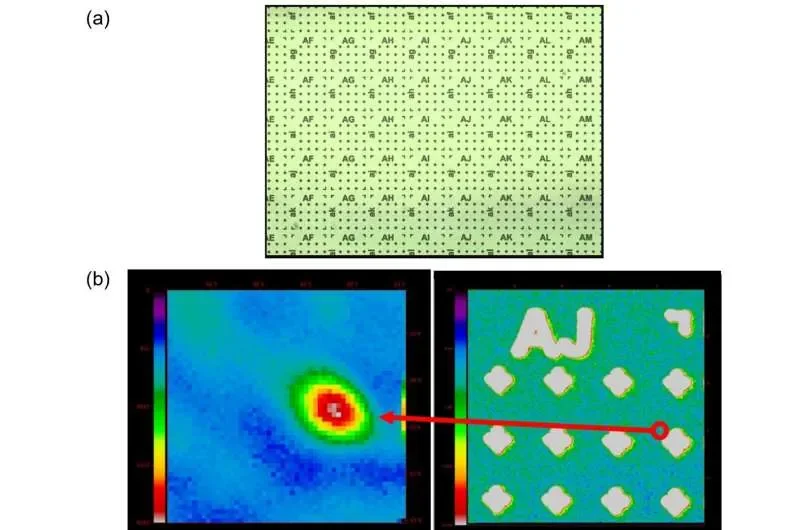
A new microfluidic device offers a streamlined approach to identifying per- and polyfluoroalkyl substances (PFAS) and other pollutants. This technology bypasses the complex and time-consuming pretreatment steps usually needed for environmental samples, potentially making rapid analysis more accessible.
Background and Innovation
Traditional methods for detecting environmental pollutants require extensive sample preparation, which can be costly, slow, and may even lead to the loss of tiny amounts of the target substances. This often involves steps like filtration to remove solids, followed by extraction and then analysis.
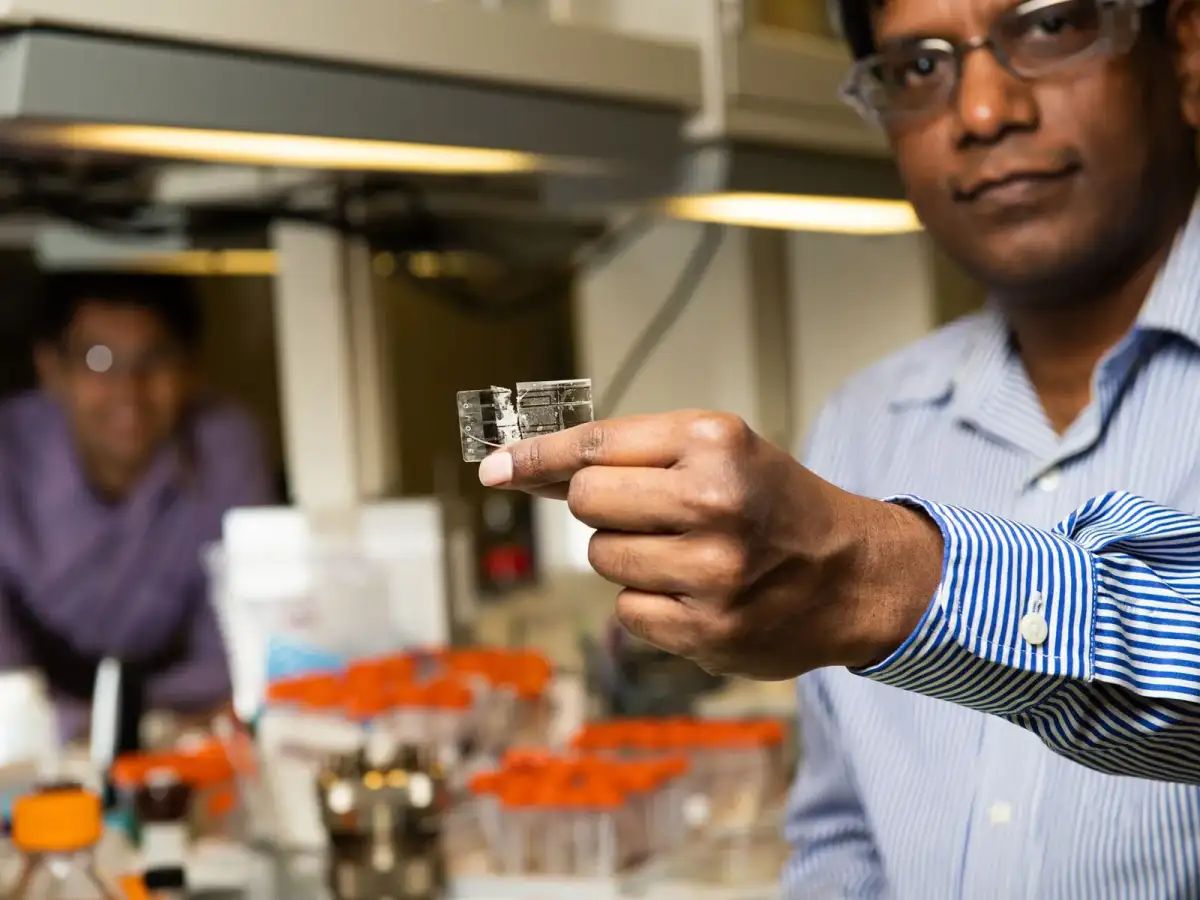
The Korea Research Institute of Chemical Technology (KRICT), in collaboration with Professor Jae Bem You from Chungnam National University, has developed a microfluidic chip designed for one-step detection. This system allows for direct extraction and immediate analysis of pollutants, even from samples containing solid materials such as sand or soil.
Key to this innovation is the device's ability to handle solid particles without interference. As a liquid sample flows through the chip, target pollutants move into a special droplet containing an extractant. Solid particles, like sand, pass through without disrupting this process. Once the extraction is complete, the droplet is collected for final analysis.
Addressing Pretreatment Challenges
Environmental analysis often faces hurdles when samples contain solids. These solids can:
Obscure or hinder the detection of target pollutants.
Unintentionally remove trace amounts of pollutants during filtration.
Increase the complexity and cost of the analytical workflow.
The new microfluidic chip appears to overcome these issues by:
Allowing direct extraction from samples containing sand, soil, or food residues.
Eliminating the need for filtration or other preliminary separation steps.
Facilitating rapid mass transfer of pollutants into the extractant droplet.
Demonstrated Capabilities
The device has shown the ability to detect Perfluorooctanoic acid (PFOA), a common PFAS, within five minutes.
It has also successfully identified carbamazepine (CBZ), a pharmaceutical compound, directly from sand-containing slurry samples without prior filtration.
High-performance liquid chromatography (HPLC) was used to confirm the identification of CBZ.
Broader Implications for Pollutant Detection
The development of this microfluidic chip contributes to ongoing efforts to improve the speed and reliability of environmental monitoring.
The race for low-cost PFAS sensors is ongoing, driven by concerns over contaminated drinking water. A significant challenge remains in differentiating between various types of PFAS and detecting them at very low levels (part-per-trillion).
Existing methods, such as lateral flow immunoassay (LFIA), are currently not applicable for PFAS detection due to the lack of suitable antibodies.
Other research explores advanced sensor technologies, including molecularly imprinted polymers and electrochemical sensors integrated with microfluidic principles, to achieve greater sensitivity and speed.
Expert Perspective and Future Outlook
While the exact impact and commercialization timeline are not detailed, the innovation addresses a clear need in environmental science.
Dr. Ju Hyeon Kim of KRICT and Professor Jae Bem You from Chungnam National University led the development.
The technology aims to simplify analytical processes, reducing both the time and cost associated with pollutant detection.
Further research may focus on expanding the range of detectable pollutants and validating the chip's performance across diverse environmental matrices.
Sources Used
The Engineer: https://www.theengineer.co.uk/content/news/microfluidic-chip-detects-pfas-and-other-pollutants
Context: Reports on the microfluidic device's capability to detect PFAS and carbamazepine directly from slurry samples without filtration.
Mira News: https://www.miragenews.com/krict-unveils-chip-for-one-step-pfas-detection-1619425/
Context: Details the challenges of traditional environmental pollutant analysis and highlights how the new chip streamlines sample pretreatment.
Bioengineer.org: https://bioengineer.org/krict-unveils-innovative-microfluidic-chip-for-rapid-detection-of-pfas-and-other-pollutants/
Context: Introduces the KRICT microfluidic chip, emphasizing its role in direct extraction and immediate analysis from solid-containing samples, contrasting it with multistep traditional techniques.
Chemical & Engineering News (C&EN): https://pubs.acs.org/doi/10.1021/cen-10114-cover
Context: Discusses the broader landscape of PFAS sensor development, including the challenges of differentiation and the need for low-cost, sensitive detectors, especially in response to contaminated drinking water.
ScienceDirect: https://www.sciencedirect.com/science/article/abs/pii/S0304389422024955
Context: Provides background on PFOA detection methods, noting limitations of existing techniques like LFIA for PFAS due to antibody requirements.
Lab on a Chip (RSC Publishing): https://pubs.rsc.org/en/content/articlehtml/2024/lc/d3lc00871a
Context: Reviews advancements in microfluidics for environmental analysis, showcasing various microfluidic devices developed for rapid and efficient monitoring of different contaminants.
Chemical & Engineering News (C&EN): https://cen.acs.org/environment/persistent-pollutants/Reactions-Origin-microfluidic-electrochemical-sensors/101/i21
Context: Details the origins and development of microfluidic electrochemical sensors specifically for PFAS detection, highlighting the combination of sensor design and molecular probe expertise.