President Donald Trump's administration has moved to include all state governors in an upcoming White House meeting, a shift that follows initial reports of planned exclusions for Democratic leaders. The controversy, which unfolded in the days leading up to the National Governors Association (NGA) annual meeting, involved public statements and internal communications that suggested a departure from the event's typically bipartisan nature. This situation has prompted scrutiny regarding the administration's approach to intergovernmental relations and its handling of political disagreements.
The core issue centers on the administration's invitation list for a White House meeting with governors. Initially, there were indications that only Republican governors would be invited to a formal business session, with specific Democratic governors later being excluded from both a meeting and a dinner. This sparked concern and pushback from the NGA and Democratic officials, ultimately leading to a broader invitation for all governors to the business meeting.
Read More: Angus Taylor Becomes Liberal Leader, Faces First Test in Farrer
Timeline of Events and Key Actors
The situation began to unfold as the NGA prepared for its annual meeting, a tradition where governors from across the United States gather.
Initial Reports of Exclusion: In the days leading up to the NGA's annual meeting, news emerged that the White House intended to limit invitations to a business meeting to Republican governors.
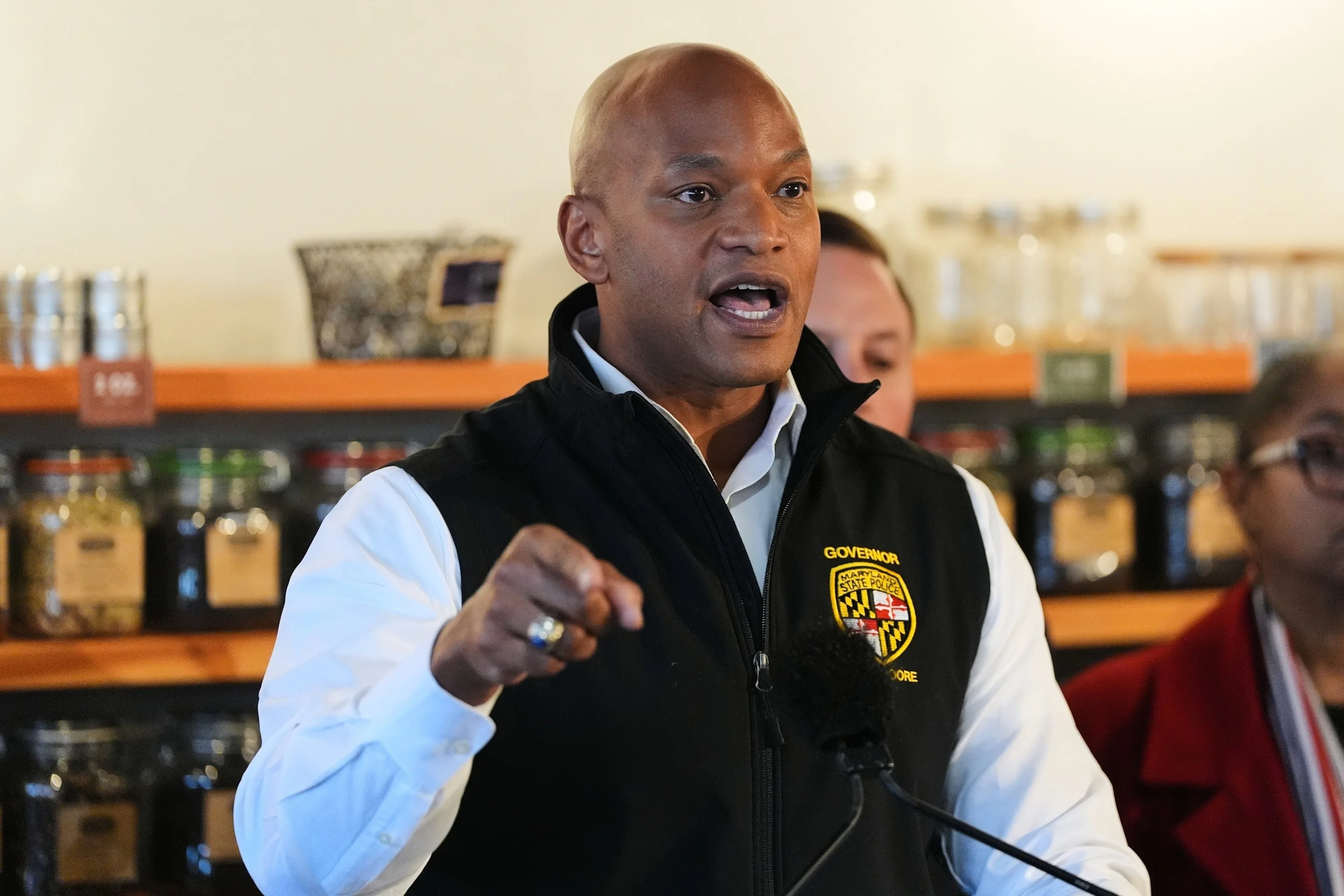
Specific Democratic Governors Targeted: This exclusionary approach became more pronounced with reports that Democratic Governors Wes Moore of Maryland and Jared Polis of Colorado would not be invited to a White House dinner and, initially, a business meeting. These governors had previously publicly disagreed with President Trump.
NGA Intervention: The National Governors Association, co-chaired by Republican Oklahoma Governor Kevin Stitt and Democratic Governor Wes Moore, became involved in discussions with the White House. Governor Stitt, in particular, communicated with the White House regarding the invitation list.
Reversal on General Invitations: Following discussions, the NGA announced that all its members would be invited to the White House business meeting. Governor Stitt informed NGA members that all 55 states and territories were invited to the formal meeting on February 20th.
Continued Exclusion of Two Democrats: Despite the broader invitation to the business meeting, President Trump publicly stated that Governors Moore and Polis would still be excluded from the White House gathering. This stance was reiterated on social media platforms.
Public Statements and Social Media: President Trump made public statements and posts on social media, asserting that he had invited governors from both parties, with the exceptions of Moore and Polis, and that this had always been his intention.
Read More: Alexandria Ocasio-Cortez Does Not Say No to 2028 President Run
Key Actors:
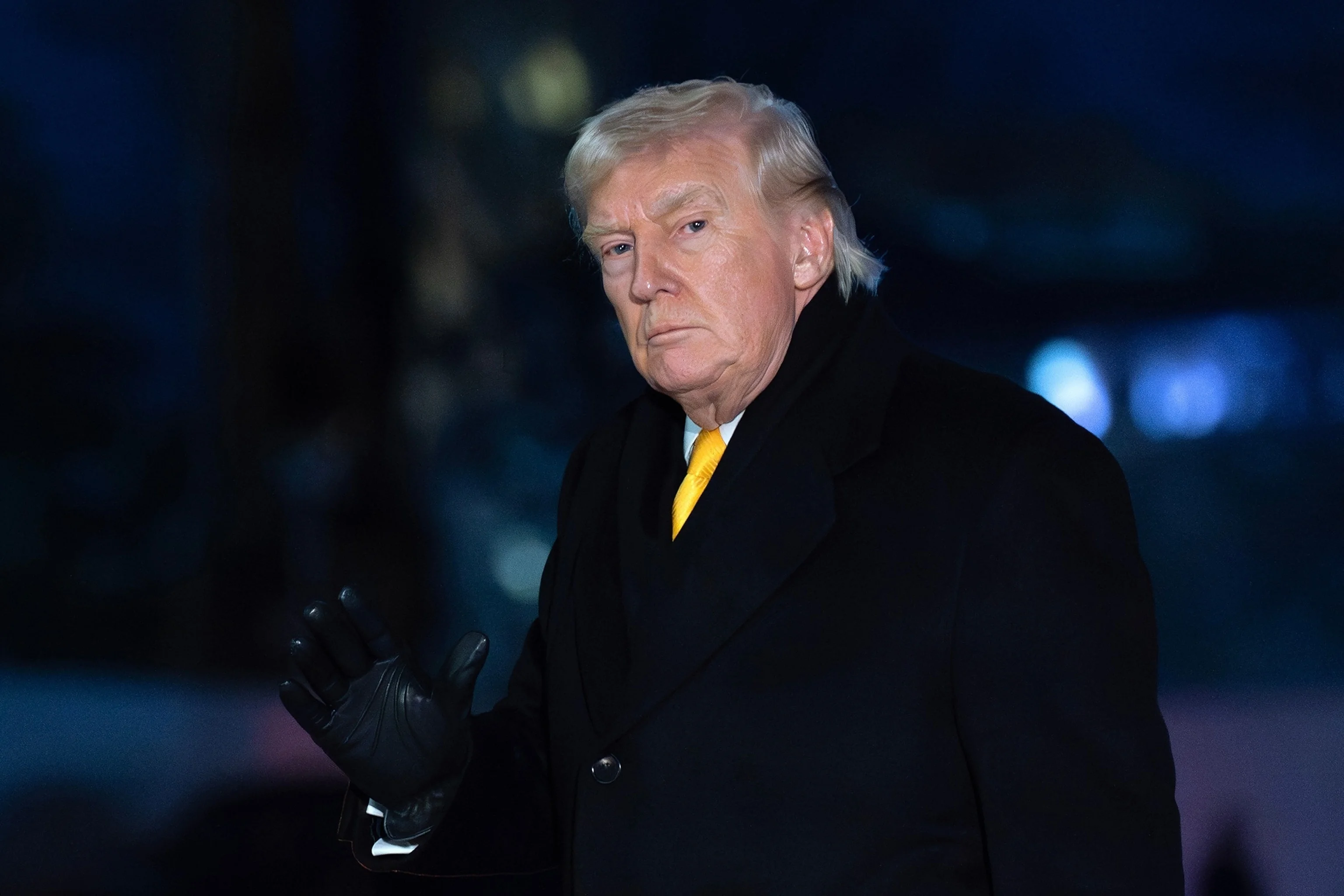
President Donald Trump: The central figure, whose administration's invitation policies became the focus of controversy.
National Governors Association (NGA): The bipartisan organization representing state governors, which engaged with the White House to ensure broad participation.
Governor Kevin Stitt (Oklahoma): The Republican co-chair of the NGA, who played a role in communications between the NGA and the White House.
Governor Wes Moore (Maryland): The Democratic co-chair of the NGA and one of the Democratic governors initially excluded.
Governor Jared Polis (Colorado): Another Democratic governor initially excluded from the White House events.
The Evolving Invitation List
The administration's approach to inviting governors to the White House events underwent apparent changes, moving from a seemingly partisan selection to a more inclusive, though still contested, list.
Initial Stance: Reports indicated that the White House planned to invite only Republican governors to a formal business meeting. This would have marked a significant break from precedent, as these meetings have traditionally been bipartisan.
Targeted Exclusions: The focus then narrowed to the exclusion of Governors Wes Moore and Jared Polis from both a business meeting and a subsequent dinner. This appeared to be a response to public disagreements these governors had with President Trump.
Broader Business Meeting Invitation: Through the NGA's engagement, led by Governor Stitt, a broader invitation was extended to all governors for the business meeting. A White House spokesperson confirmed this inclusivity for the February 20th event.
Persistent Dinner Exclusion: Notwithstanding the updated invitation to the business meeting, President Trump maintained his decision to exclude Governors Moore and Polis from the White House dinner. This created a situation where some governors were invited to one part of the White House event but not another.
White House Communication: Statements from the White House and President Trump's social media posts presented the expanded invitations as the original intention, framing the earlier reports of exclusion as a misunderstanding that had been "addressed."
Political Dimensions and Partisan Tensions
The controversy surrounding the governors' meeting highlights the intersection of political partisanship and governmental functions, even in traditionally non-partisan forums.
Read More: New Liberal Leader Angus Taylor Faces Early Test in Farrer By-election
Partisan Undertones: The initial reports of inviting only Republican governors to a significant governmental function underscore the increasing tendency to inject partisanship into areas typically considered above party politics.
Retaliation for Criticism: The exclusion of Governors Moore and Polis appeared to be a direct consequence of their public criticisms of President Trump. This suggests a potential administration strategy of retaliating against political opponents through selective engagement.
Democratic Governors' Response: The exclusion of two Democratic governors prompted a reaction from other Democratic governors, with 18 reportedly considering not attending events in protest. This indicates a unified front among some Democratic state leaders in response to the administration's actions.
NGA's Bipartisan Role: The NGA's efforts to ensure all its members were invited underscore its commitment to its bipartisan mission. The organization's communication with the White House served as a mechanism to uphold this tradition.
"Misunderstanding" Narrative: The administration's explanation of a "misunderstanding" in scheduling, coupled with President Trump's social media assertions that invitations were always meant to be broad, suggests an attempt to mitigate public perception of a deliberate partisan maneuver.
Expert Analysis and Commentary
Political analysts have observed the unfolding situation, offering perspectives on the implications of the administration's actions.
Read More: NBA All-Star Game 2026: New Plans and Player Changes

"President Trump has shown a willingness to attack Democratic norms and traditions, including injecting partisanship in places typically immune to it." (NPR)
This observation points to a pattern of behavior where established governmental practices are challenged or altered by the current administration, particularly when it involves political opposition.
"The governor’s meeting, typically a low-key event, took a sharper edge last year when Trump returned to the White House." (AP News)
This suggests that the interaction between the President and the NGA has become more contentious during Trump's term, moving away from the more customary cooperative atmosphere.
"It’s unclear why Trump did not invite Polis and Moore to the dinner." (ABC News)
This statement highlights the lack of a fully transparent explanation for the specific exclusions, leaving room for interpretation regarding the administration's motives beyond overt political disagreement.
Conclusion and Implications
The situation surrounding the White House meeting with governors demonstrates a complex interplay between the President's political objectives and the traditional bipartisan operations of intergovernmental bodies like the NGA. While the administration ultimately extended invitations to all governors for the business meeting, the initial exclusion of specific Democratic leaders and the continued exclusion from a dinner signal a departure from established norms.
Read More: Keir Starmer Wants Europe to Defend Itself More
Upholding Bipartisan Tradition: The NGA's successful push for broader invitations to the business meeting suggests that the organization can, at times, influence the administration to adhere to bipartisan traditions.
Lingering Partisan Divisions: The persistent exclusion of Governors Moore and Polis from the dinner indicates that political disagreements can still affect the nature of intergovernmental engagement under this administration.
Impact on Governor-President Relations: The events may have lasting implications for the relationship between the President and the nation's governors, potentially fostering distrust or hardening partisan lines within this influential group.
Administrative Strategy: The administration's communication strategy, framing the broader invitations as the original intent after initial reports of exclusion, suggests a concern for public perception and an effort to manage narratives around its actions.
The ultimate effect of these events on future interactions between the White House and state governors, and on the perception of partisan influence in governmental forums, remains a subject for observation.
Sources
NPR: https://www.npr.org/2026/02/13/nx-s1-5708913/trump-faces-off-with-governors-ahead-of-next-weeks-meeting - Reports on President Trump's engagement with governors ahead of their meeting, noting the injection of partisanship.
AP News: https://apnews.com/article/trump-governors-meeting-democrats-white-house-invitation-a6078ac03332b55ccf8622fe261dd8bd - Details President Trump's attack on the Republican leader of the National Governors Association and mounting tensions before the meeting.
CBS News: https://www.cbsnews.com/news/trump-national-governors-association-democrats-invited-moore-polis/ - Covers President Trump's statement that nearly all governors are welcome, with two Democratic governors still excluded.
NBC News: https://www.nbcnews.com/politics/donald-trump/trump-democratic-governors-wes-moore-jared-polis-white-house-meeting-rcna258634 - Reports on President Trump's announcement that all Democratic governors except Wes Moore and Jared Polis were invited to the White House gathering.
CNN Politics: https://www.cnn.com/2026/02/11/politics/white-house-governors-trump-stitt-moore-polis - States the National Governors Association confirmed all members were invited to the meeting, while President Trump continued to exclude two Democratic governors.
USA Today: https://www.usatoday.com/story/news/politics/2026/02/11/trump-welcomes-democratic-governors-meeting/88623467007/ - Reports President Trump's continued exclusion of two Democratic governors from a White House meeting and dinner, despite the NGA's claims of full invitations.
ABC News: https://abcnews.go.com/Politics/trump-exclude-democratic-governors-bipartisan-meeting-white-house/story?id=129989068 - Details President Trump's decision to exclude Democratic governors from a usually bipartisan White House meeting, inviting only Republicans to a dinner.