


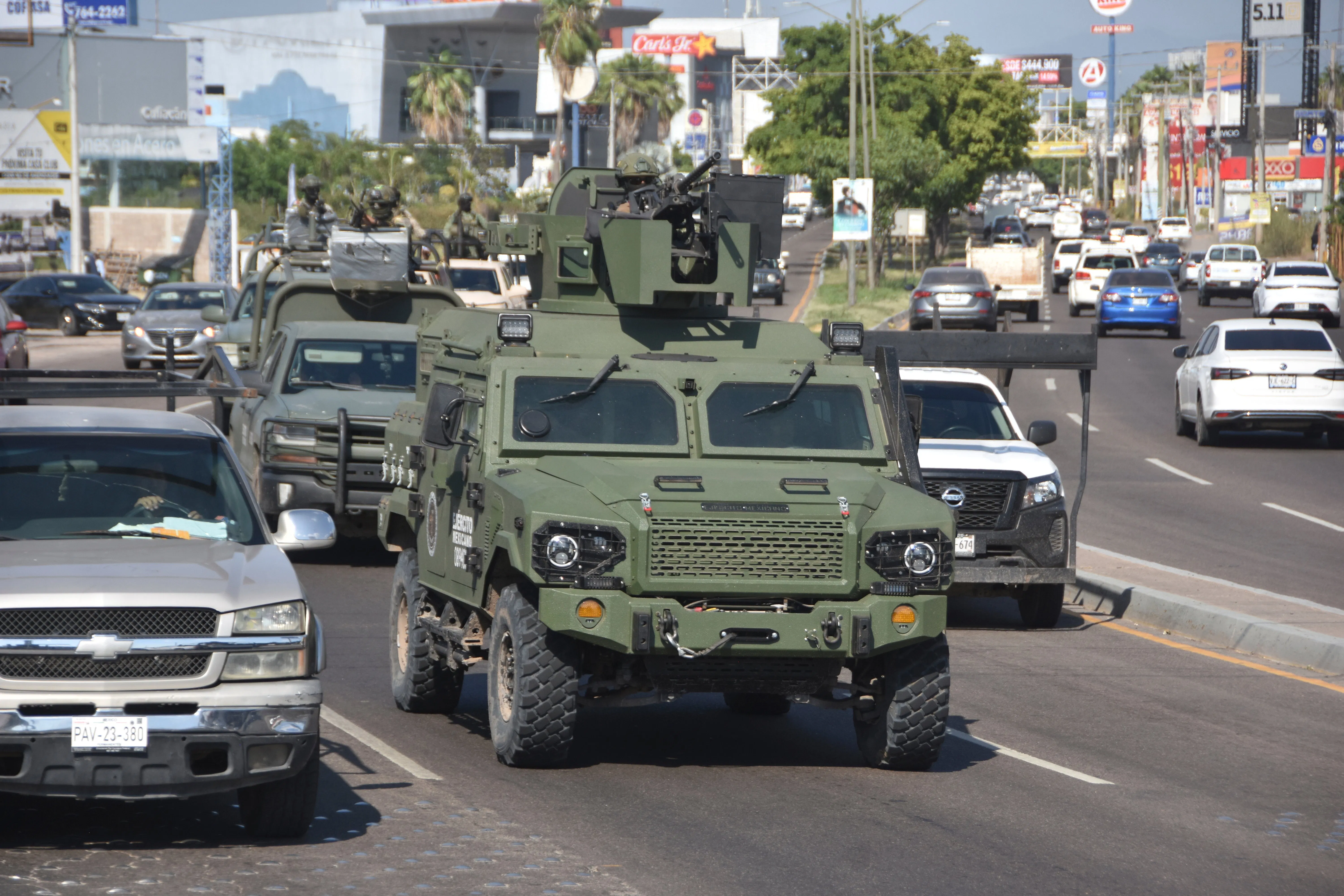
A recent surge in violent incidents has gripped Mexico, impacting over a third of the nation's states. Reports indicate widespread disruption, including roadblocks, arson, and fatal attacks on law enforcement. This unrest appears to be linked to the activities of the Jalisco New Generation Cartel (CJNG), a powerful criminal organization, and suggests a significant escalation in cartel-driven conflict. The implications for public safety and government control are profound, as these events unfold.

Context of the Escalation
The current wave of violence follows a period of heightened cartel activity and government responses. Key developments include:

CJNG's Prominence: The Jalisco New Generation Cartel (CJNG) is identified as one of Mexico's most powerful and rapidly expanding criminal groups. The U.S. Drug Enforcement Administration (DEA) considers it comparable in strength to the Sinaloa Cartel.
Aggressive Tactics: The CJNG is known for its aggressive posture against military forces, employing tactics such as attacking helicopters, using drones to deploy explosives, and deploying mines.
Targeted Attacks: Recent events have seen CJNG operatives linked to significant criminal acts, including the killing of mayors and witnesses, suggesting a broad reach and operational capacity.
Government Pressure: Mexican authorities have expelled numerous cartel figures to the United States as part of agreements with the U.S. government, particularly during the Trump administration, which designated CJNG as a foreign terrorist organization. This pressure may be a catalyst for retaliatory actions.
Geographic Spread: Violence has been reported across multiple states, with Michoacán, Guanajuato, and Jalisco being particularly affected. This indicates a significant operational theater for these groups.
Evidence of Cartel Operations and Violence
CJNG's Reach: Official sources indicate the CJNG operates in 28 states across Mexico, a wider reach than the Sinaloa Cartel, which operates in 18 states. This expansive presence facilitates widespread influence and operational capacity.
Attacks on Security Forces: The CJNG has a documented history of direct confrontation with the military and police. Notable incidents include:
A rocket-propelled grenade attack on a Mexican military helicopter that killed nine soldiers.
An ambush in Jalisco that resulted in the deaths of 15 Mexican police officers, described as one of the deadliest attacks on security forces in recent Mexican history.
Links to Political Figures: Investigations have revealed alleged ties between CJNG operatives and the killings of local officials, such as mayors. For instance, an individual identified as "El Licenciado" was allegedly involved in orchestrating killings on behalf of a criminal group linked to the CJNG.
Economic Power: The CJNG generates billions of dollars annually through its criminal activities, underscoring its substantial resources and ability to sustain complex operations.
Franchise Model: The cartel employs a "franchise model," allowing smaller, local cartels to affiliate with the CJNG. This strategy facilitates its expansion beyond its core territories in Jalisco, Nayarit, and Colima.
Drug Trafficking Hubs: Reports suggest that the CJNG has transformed cities like Houston, Texas, into key drug trafficking hubs within the United States.
The CJNG's Leadership and Structure
The leadership of the CJNG plays a crucial role in its operational strategy and expansion:

Founding Leader: Ruben Nemesio Oseguera Cervantes, known as "El Mencho," is the leader and founder of the CJNG. The U.S. State Department has offered a reward of up to $15 million for information leading to his arrest.
Key Lieutenants: Other significant figures within the organization include:
Juan Carlos Valencia Gonzalez ("El Pelon"), identified as El Mencho's stepson and de facto second-in-command, with a $5 million reward offered by the U.S. State Department.
Julio Alberto Castillo Rodriguez ("El Chorro"), a senior lieutenant and El Mencho's son-in-law.
Audias Flores Silva ("El Jardinero") and Hugo Mendoza Gaytan ("El Sapo"), also identified as senior lieutenants.
Family Ties: The cartel's structure appears to incorporate familial relationships, with individuals like El Mencho's son, Ruben Oseguera Gonzalez ("El Menchito"), facing trial in the United States for alleged cartel-related charges.
Broader Cartel Dynamics and U.S. Pressure
The actions of the CJNG occur within a larger context of cartel rivalries and international pressure:
Rivalry with Sinaloa Cartel: The CJNG has reportedly surpassed the Sinaloa Cartel in dominance, a shift attributed partly to internal conflicts within the Sinaloa Cartel. This indicates a significant change in the landscape of organized crime in Mexico.
U.S. Extradition Efforts: Mexico has expelled 26 high-ranking cartel figures to the United States. This reflects ongoing cooperation and pressure from U.S. authorities aimed at dismantling drug trafficking networks.
Designation as Terrorist Organization: The U.S. government designated the CJNG and seven other Latin American organized crime groups as foreign terrorist organizations. This designation carries significant implications for international law enforcement and counterterrorism efforts.
International Drug Trade: The CJNG's operations, particularly its role in trafficking fentanyl and other drugs to the United States, highlight the transnational nature of its criminal enterprise.
Analysis of Recent Disturbances
The recent eruption of violence across multiple states suggests a coordinated response or an intensification of existing cartel disputes:
Read More: Third Teen Charged in Fatal Stabbing Near Melbourne Hospital on Wednesday
Coordinated Action? Was the widespread violence on April 25th, affecting 26 municipalities in Michoacán alone, a singular event, or a series of coordinated actions by the CJNG or its rivals? The sheer scale across three states implies significant logistical capacity.
Retaliation or Expansion? Could the recent violence be a direct response to Mexican government actions, such as expelling cartel figures or the reported death of a high-ranking CJNG leader? Alternatively, is this an aggressive expansion by the CJNG into new territories or an attempt to consolidate existing control?
Impact of Leadership Changes: How do the arrests and alleged deaths of key cartel figures, including "El Mencho," influence the group's operational decisions and lead to increased volatility? The potential for power vacuums to trigger further violence is a known pattern in cartel dynamics.
Conclusion and Implications
The current surge in cartel violence across Mexico, particularly attributed to the CJNG, represents a serious challenge to public safety and national security. The cartel's expansive reach, sophisticated tactics, and significant financial resources enable it to operate effectively across numerous states.
Government Response: The Mexican government's efforts to combat organized crime, including extraditions to the U.S. and direct confrontations, appear to be met with significant resistance and retaliation.
Public Safety: The violence, including attacks on authorities and widespread disruption, directly impacts civilians and businesses, creating an environment of fear and instability.
Transnational Threat: The CJNG's role in international drug trafficking, especially the flow of fentanyl into the United States, underscores the need for continued and enhanced cooperation between Mexico and the U.S.
Ongoing Conflict: The evidence suggests that the conflict between the CJNG, other cartels, and government forces is dynamic and likely to continue. Further investigations are warranted to ascertain the precise triggers for the recent escalation and to track the evolving strategies of all involved parties.
Sources Used:
CBS News: Violence erupts in Mexico after cartel leader "El Mencho" killed in military operation. https://www.cbsnews.com/news/violence-mexico-jalisco-new-generation-cartel-killed-military-puerto-vallarta/ (Published: ~6 hours ago)
CNN: Mexico expels 26 cartel figures wanted by US authorities in deal with Trump administration. https://www.cnn.com/2025/08/12/americas/mexico-26-cartels-trump-intl-latam (Published: August 12, 2025)
Latin Times: CJNG news & latest pictures. https://www.latintimes.com/topics/cjng (Published: ~6 days ago)
National Counterterrorism Center (NCTC) / Bing: CJNG (Jalisco New Generation Cartel) Terrorist Group Profile. https://www.dni.gov/nctc/terrorist-groups/cjng.html (Accessed date not specified)
Mundo Now: Cartel Dispute in Mexico Leaves Dead and Chaos Across Three States. https://mundonow.com/en/cartel-dispute-in-mexico-leaves-dead/ (Published: April 25, 2025)
The Mazatlan Post: The Rise of the Jalisco New Generation Cartel: How the CJNG Overtook the Sinaloa Cartel. https://themazatlanpost.com/2025/04/29/the-rise-of-the-jalisco-new-generation-cartel-how-the-cjng-overtook-the-sinaloa-cartel/ (Published: April 29, 2025)
El País (English): Cartel violence erupts in Michoacán, Jalisco and Guanajuato in a new wave of attacks. https://english.elpais.com/international/2025-04-24/cartel-violence-erupts-in-michoacan-jalisco-and-guanajuato-in-a-new-wave-of-attacks.html (Published: April 24, 2025) - Note: Summary extraction was incomplete, but publication date and title provided context for a wave of attacks.
El País (English): Car bomb attacks signal escalation of cartel violence in Mexico. https://english.elpais.com/international/2024-10-25/car-bomb-attacks-signal-escalation-of-cartel-violence-in-mexico.html (Published: October 25, 2024) - Note: Summary extraction was incomplete, but publication date and title provided context for escalating violence.

/cloudfront-ap-southeast-2.images.arcpublishing.com/nzme/RVI7RFHOI34HTKKRUG3LS6DNVY.jpg)



.png)