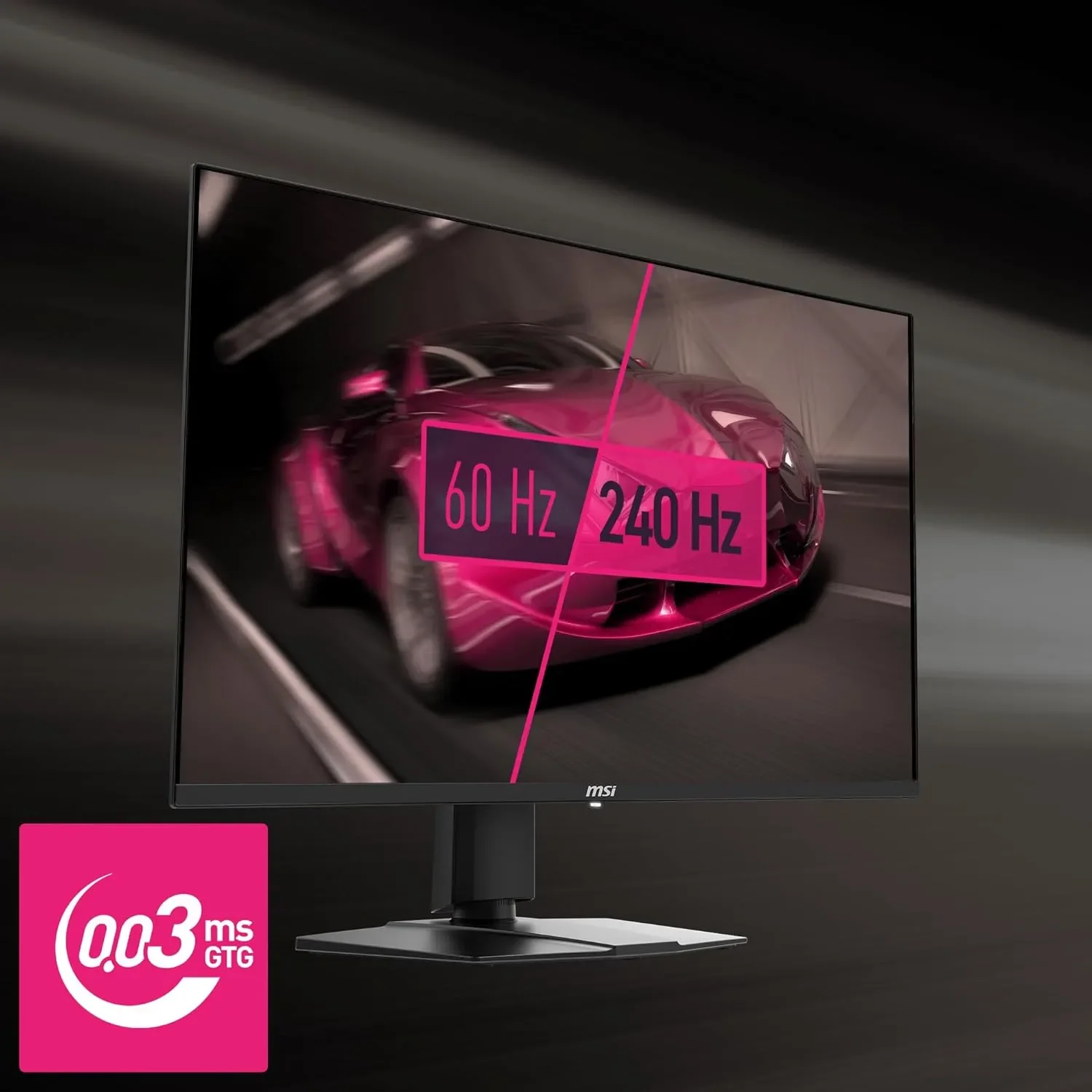
Recent reports from various tech publications indicate a surge in the adoption and recommendation of ultrawide monitors for PC gaming. These displays, particularly those with 21:9 and 32:9 aspect ratios, are being lauded for their ability to enhance immersion in gaming environments, especially for single-player, visually driven titles.
The core appeal of ultrawide monitors appears to lie in their ability to significantly expand the field of view compared to traditional 16:9 displays. This extended visual real estate is consistently linked to a more engaging and immersive gaming experience. Publications highlight that while various features contribute to a monitor's suitability, the aspect ratio itself is a primary driver of this enhanced perception.

Panel Prowess: QD-OLED Takes Center Stage
Among the various technologies discussed, QD-OLED panels are frequently cited for their superior color reproduction and contrast ratios, contributing to the vibrant visuals promised by ultrawide gaming. Monitors featuring this technology, such as the Samsung Odyssey OLED G9 and the Alienware AW3423DWF, are repeatedly mentioned as top contenders.
Read More: PS5 Sales Forecast Lowered Due to AI Chip Demand and Higher Prices
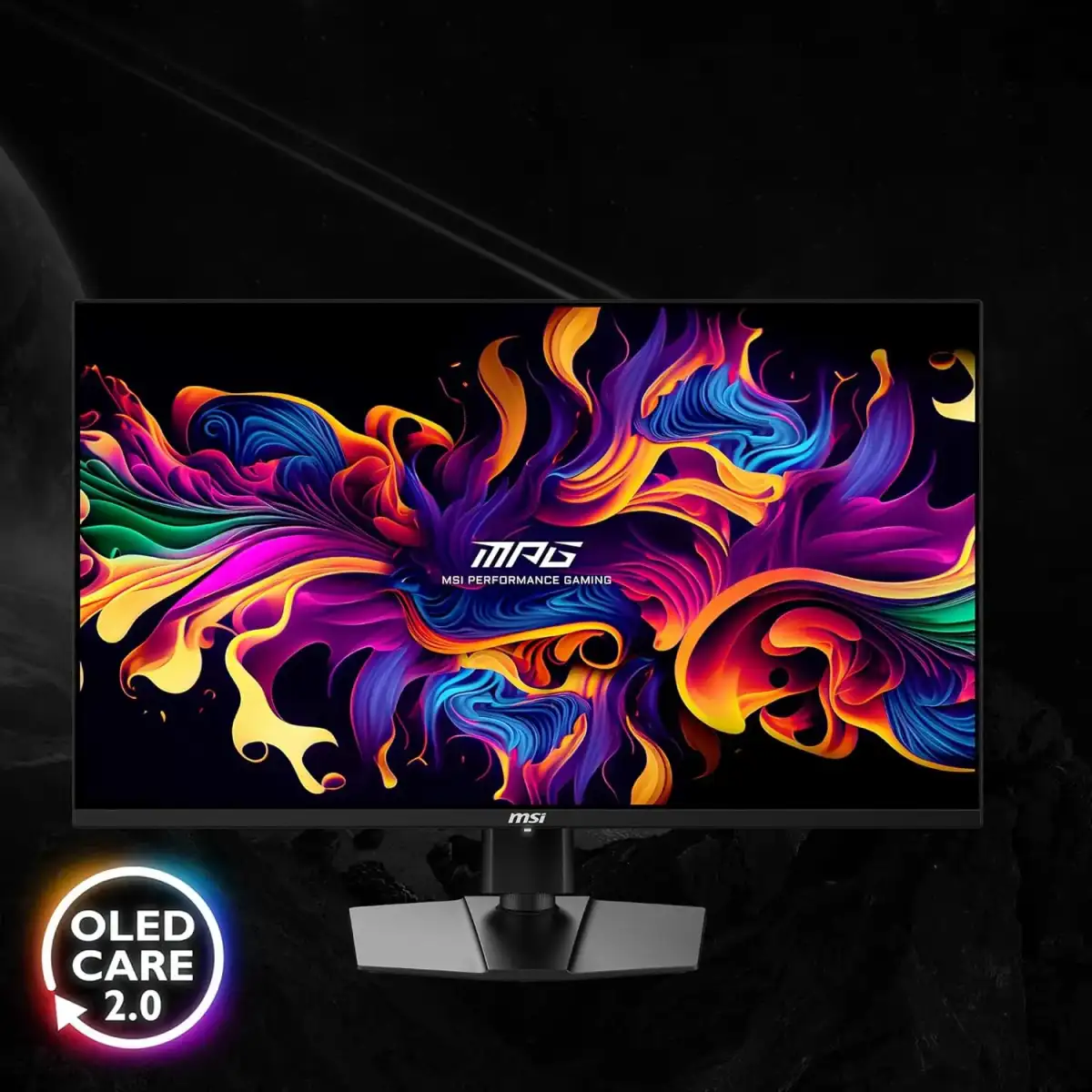
The Samsung Odyssey OLED G9 is noted for its expansive 5120 x 1440 resolution and 240Hz refresh rate, offering a broad 32:9 aspect ratio.
The Alienware AW3423DWF, while also utilizing QD-OLED, presents a slightly less extreme 34-inch size with a 3440 x 1440 resolution and a 165Hz refresh rate. This model is often positioned as a strong alternative, potentially a better fit for many users than the absolute top-tier recommendation.
Beyond Immersion: A Nod to Productivity
While gaming is a primary focus, the utility of ultrawide monitors extends to productivity. The increased screen real estate is acknowledged as beneficial for multitasking, suggesting these displays serve a dual purpose for users who transition between work and play.
"Besides just being movie/gaming monitors, on a more practical level ultrawide monitors are also excellent for getting work done thanks to the extra screen real estate they provide." - pcguide.com
The Refresh Rate Debate and Other Considerations
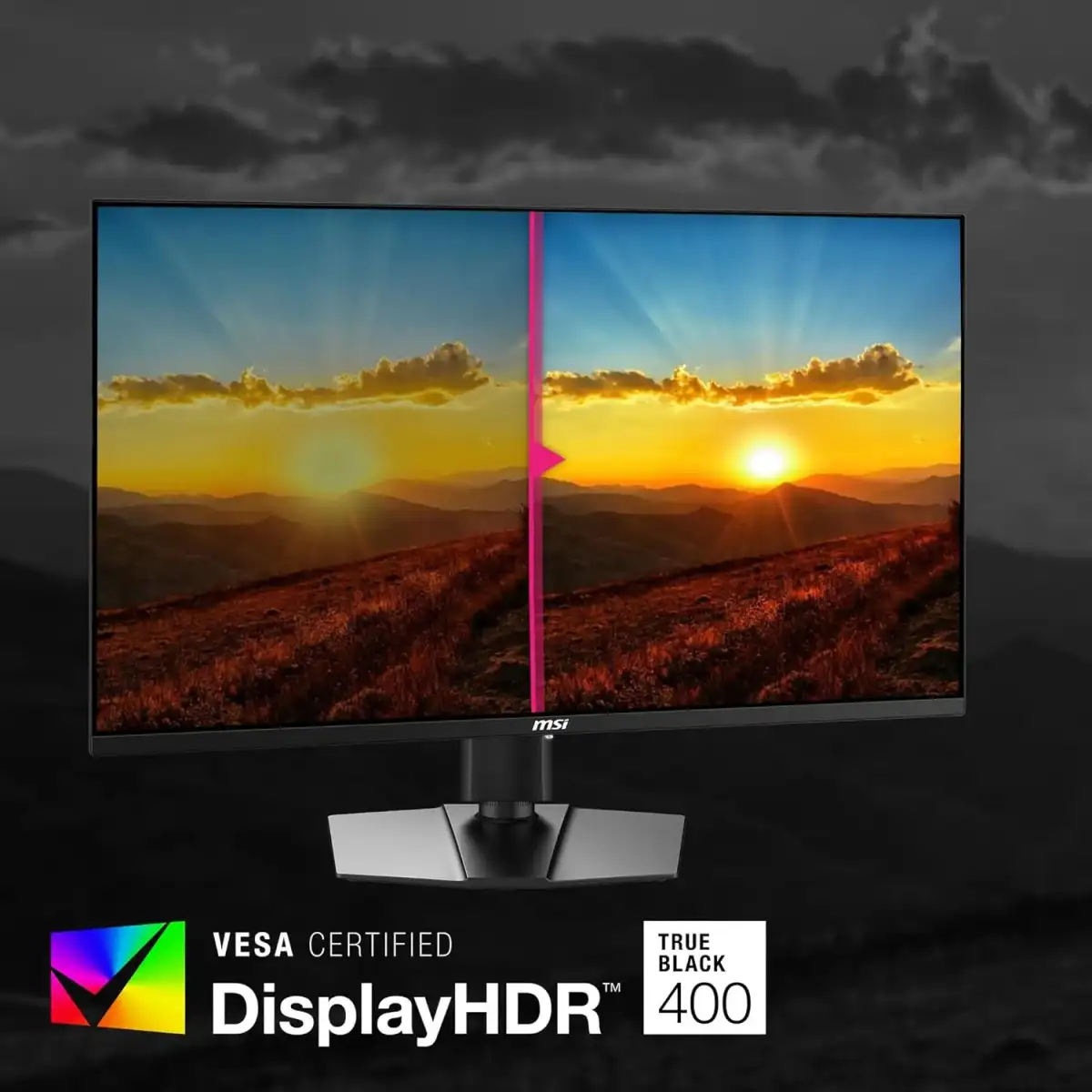
The specifics of what constitutes "best" vary, with refresh rates being a point of consideration. While high refresh rates like 360Hz (as seen on the MSI MPG 341CQR X36) are available, a 165Hz rate, for instance, might be sufficient for many, with some publications suggesting that competitive gamers might seek even higher rates. The inclusion of HDR capabilities is also a factor, though some reviews note that not all ultrawide monitors excel in this area.
Read More: Nintendo Switch 2 Price Rises to $500 in US from September 1st
"Choosing the best ultrawide gaming monitor comes down to balancing your budget, GPU power, and gaming priorities." - boundbyflame.com
The curvature of ultrawide monitors is another aspect discussed, with curved panels enhancing immersion for single-player experiences but potentially impacting desk flexibility.
Background: Evolving Display Landscape
The emergence of ultrawide monitors as a significant player in the gaming display market reflects a broader trend towards more immersive visual experiences in digital entertainment. Historically, gaming displays have focused on increasing resolution and refresh rates within a standard 16:9 format. The push towards ultrawide formats represents a distinct shift, prioritizing peripheral vision and a more panoramic view, mirroring aspects of human vision. This development also coincides with advancements in panel technologies, such as QD-OLED, which enable richer color depth and contrast necessary to leverage the expanded screen real estate effectively. The market is responding to a demand for displays that not only process visual information faster but also present it in a more expansive and enveloping manner.
Read More: International Police Shut Down 373,000 Dark Web Sites