:max_bytes(150000):strip_icc()/ashley-graham-met-gala-arrivals-2026-6717d8c4c50246c3b6dae8f38684dce8.jpg)
The Garments Unfurl
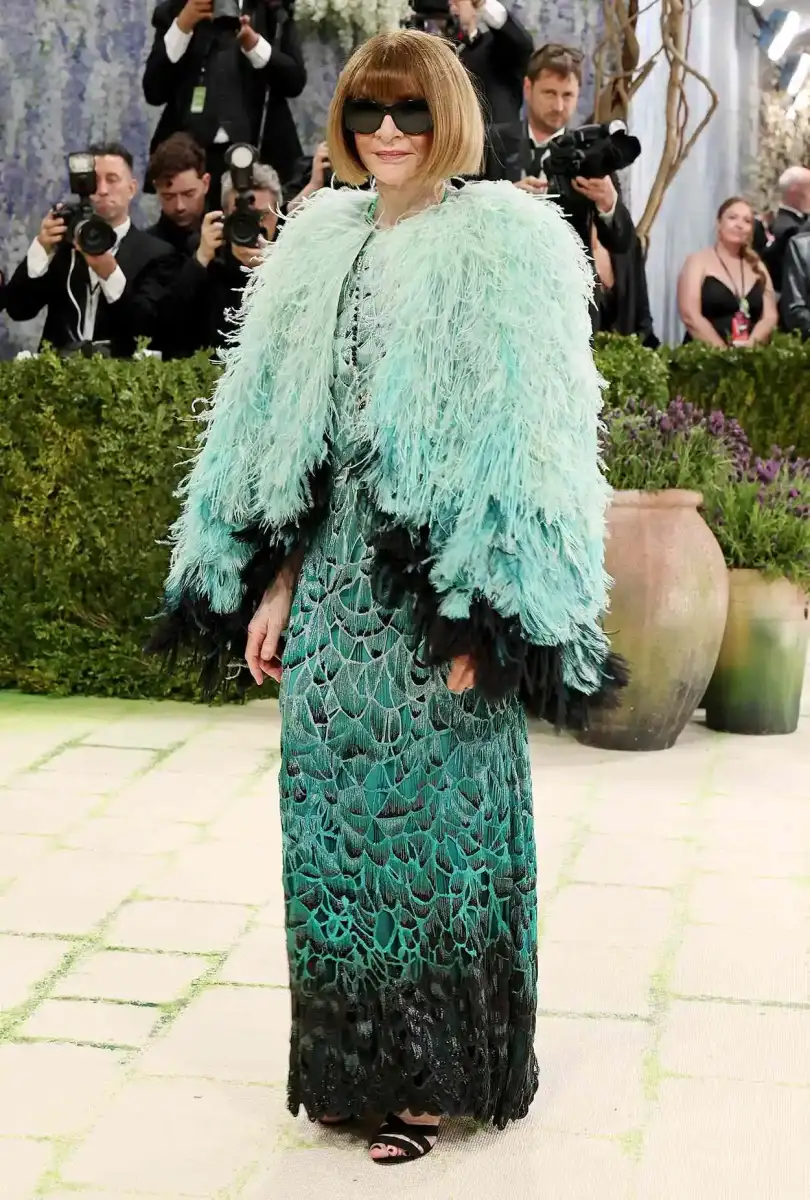
The Metropolitan Museum of Art’s Costume Institute gala unfolded on its Fifth Avenue steps this past evening, a ritual of sartorial pronouncements. Co-chairs Beyoncé, Nicole Kidman, Venus Williams, and Anna Wintour orchestrated the procession, their own appearances setting a tone that echoed the night's theme: celebrating fashion as an "embodied art form" and exploring "countless depictions of the dressed body throughout art history." Guests were thus invited to interpret their relationship with fashion as a corporeal expression, a concept with ample room for individualistic, perhaps even confrontational, readings.
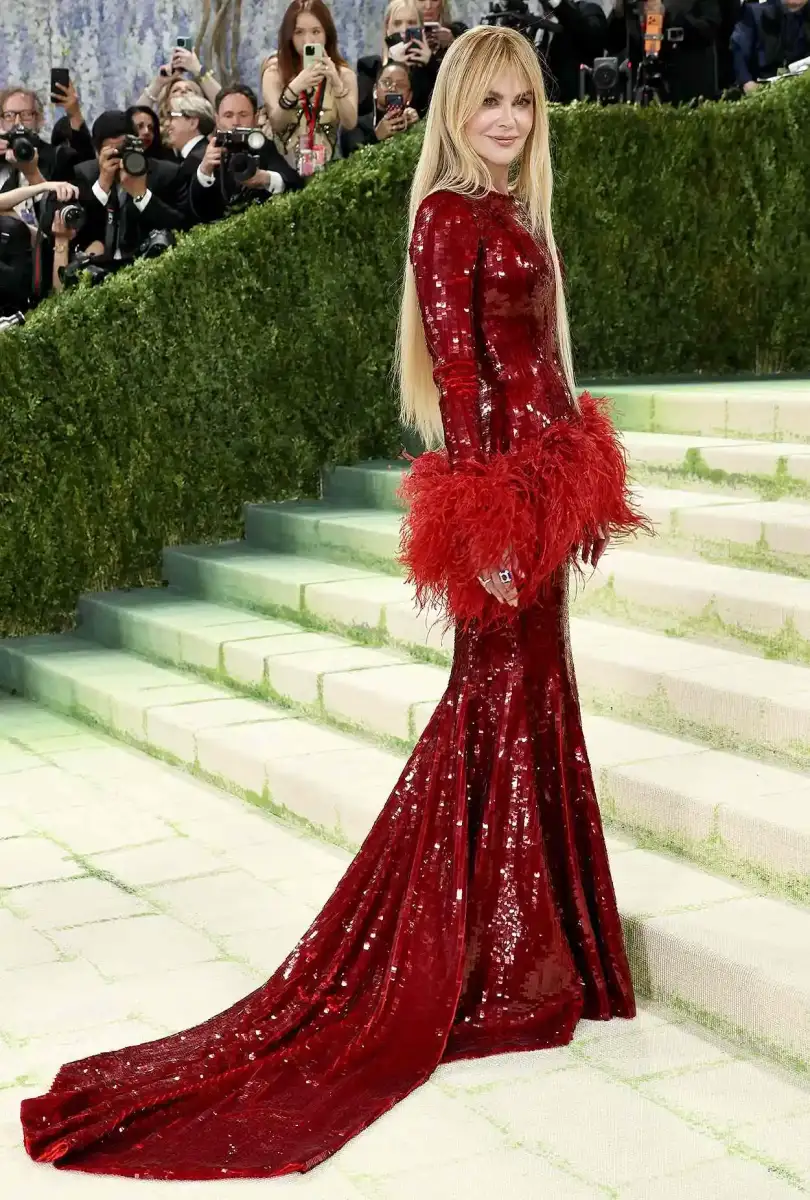
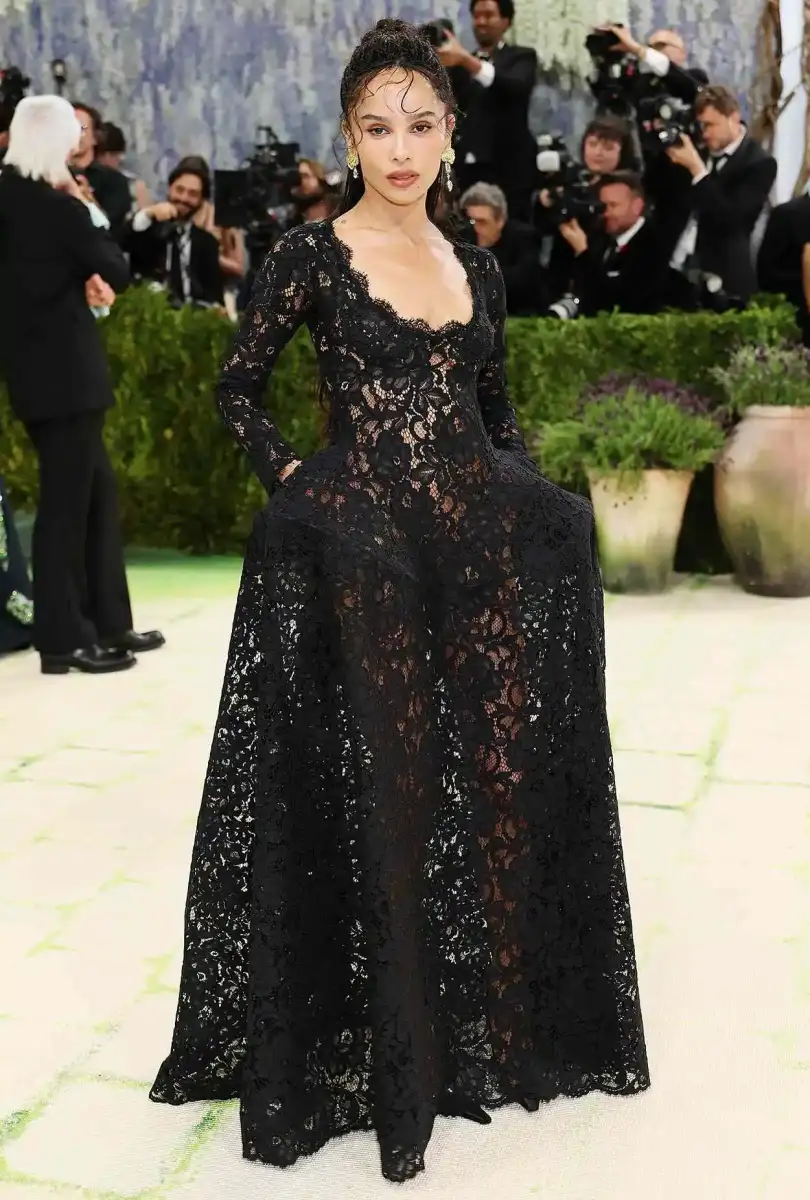
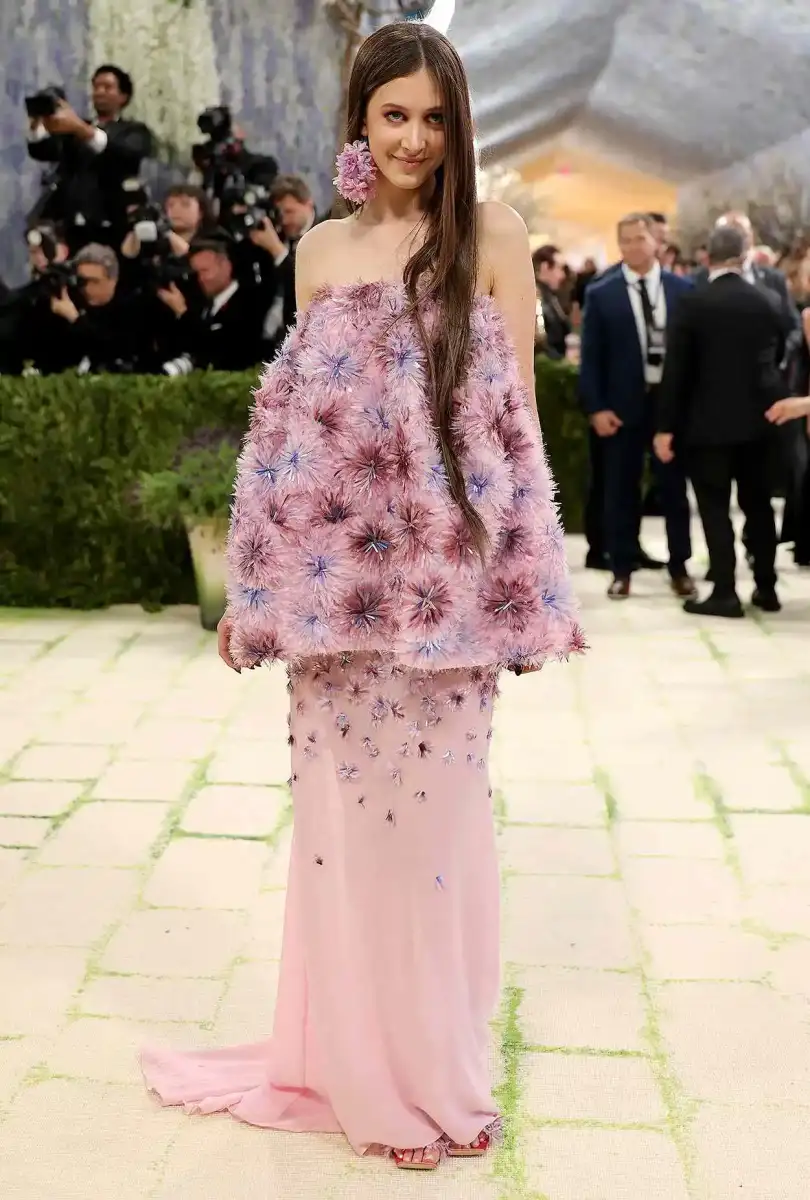
The event, often dubbed the "Super Bowl of fashion," saw attendees present a range of interpretations. Reports highlight Nicole Kidman in a sequined Chanel gown adorned with feathers, and Lauren Sánchez Bezos, an honorary co-chair, in a jeweled navy dress. Lena Dunham arrived in a monochrome red ensemble featuring sequins and feathers, while Zoë Kravitz, a host committee co-chair, wore an all-black lace outfit. Naomi Osaka was noted for a white gown with petal-like embellishments and matching red gloves.
Read More: Princess Catherine Wears £750 Roland Mouret Dress to Royal Wedding Today
Undercurrents of Discontent
This year’s Met Gala, however, was not solely a celebration of haute couture. A palpable undercurrent of social critique emerged, particularly directed at primary sponsors Jeff Bezos and Lauren Sánchez Bezos. Reports indicate that Amazon workers organized a protest in the Meatpacking District, staging their own "fashion show" to highlight concerns over Amazon's business practices, a move implicitly linked to Bezos's financial backing of the event. The broader societal anxieties and ongoing controversies surrounding these figures, as noted by industry observers, were a persistent backdrop to the high-wattage affair.
Read More: Great American State Fair on National Mall faces low turnout July 2026
The exhibition itself, curated to align with the theme, features garments from designers such as Comme des Garçons, Di Petsa, Schiaparelli, and Alaïa, displayed across thirteen sections. The sub-sections of the exhibit were expected to provide further guidance for guests navigating the dress code, which left considerable space for imaginative engagement with concepts like the "classical body" in Hellenistic drapery or the more direct exploration of the "anatomical body."
Context and Conduct
The Met Gala, a significant fundraiser for the museum’s Costume Institute, finances its exhibitions, acquisitions, publications, and operational needs. Anna Wintour, as always, retained ultimate control over the guest list, approving each attendee personally. The roster of hosts and committee members included a diverse array of figures from the cultural sphere, such as Anthony Vaccarello, Sabrina Carpenter, Doja Cat, Gwendoline Christie, and Teyana Taylor, among many others. The event’s proximity to wider public discourse on labor practices and corporate influence has clearly not insulated it from the broader societal conversations, prompting questions about the optics and impact of such events in the current climate.
Read More: Dua Lipa attends Versace party in Sicily, sparks wedding dress rumors