Workers Worldwide Convene for May Day, Demanding Better Conditions Amidst Inflationary Pressures
Across the globe, May 1st saw demonstrations as workers gathered, their voices raised in protest. The stated focal points of these rallies—wages, pensions, and economic inequality—resonate with long-standing labor movements. This year, however, an amplified concern underscores these demands: rising energy costs, which many connect to ongoing geopolitical conflicts, specifically mentioning the 'Iran war' in reports. This confluence of economic anxieties and broader political issues marks this year's International Workers' Day.
The international scope of these gatherings is significant. Reports indicate activists worldwide held May Day rallies and street protests. These events are framed as a platform for workers to address shrinking purchasing power and other economic hardships. The timing of these protests, coupled with the explicit link made to external conflicts impacting everyday costs, suggests a growing intersection between global politics and the lived realities of the working class.
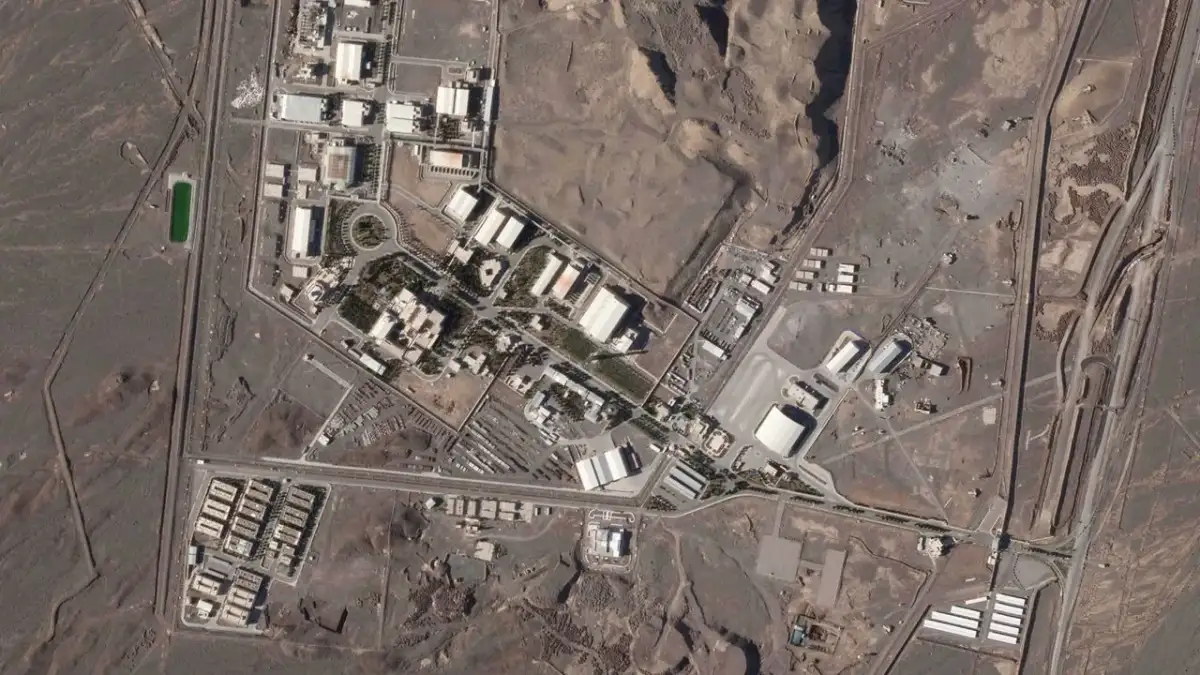
Read More: Iran Zagros Mountain Nuclear Site Construction Update April 2026
France Debates Labor Rights on a Day Dedicated to Workers
In France, May Day holds a unique significance this year due to a contentious debate surrounding proposed legislation that would allow work on the traditionally protected public holiday. This holiday, noted as the only day with a mandatory paid day off for most employees, is under scrutiny.
A parliamentary proposal aimed at expanding work on May 1st has ignited major outcry from unions and left-leaning politicians.
This proposed change has turned a day meant to honor labor into a flashpoint for the defense of existing worker protections.
This situation in France illustrates a broader tension: while workers globally mobilize around economic issues, specific national contexts introduce unique layers of conflict over labor rights and the sanctity of established holidays.
Historical Roots of May Day and its Enduring Relevance
The origins of May Day, also recognized as International Workers' Day or Labor Day, are deeply embedded in the history of labor activism. The movement traces its roots back over a century to a critical period in U.S. labor history, specifically Chicago.
"Unions later designated May 1 to honor workers."
This designation underscores the day's consistent role as a commemorative and protest occasion, a tradition that continues to manifest in diverse global gatherings each year. The enduring nature of these rallies highlights the persistent struggle for improved working conditions and economic justice.
Read More: SAG-AFTRA Members Approve New Contract With Studios