Luxury property sales in Manhattan remain elevated as of April 2026, defying repeated forecasts of a capital exodus following the election of Mayor Zohran Mamdani. Despite a pending state-level 'pied-à-terre' tax—a cornerstone of the current administration’s fiscal agenda—data from the past month indicates that the ultra-wealthy are continuing to consolidate their holdings in the city rather than liquidate them.

The discrepancy between predictive political rhetoric and current market transactions reveals a distinct pattern:
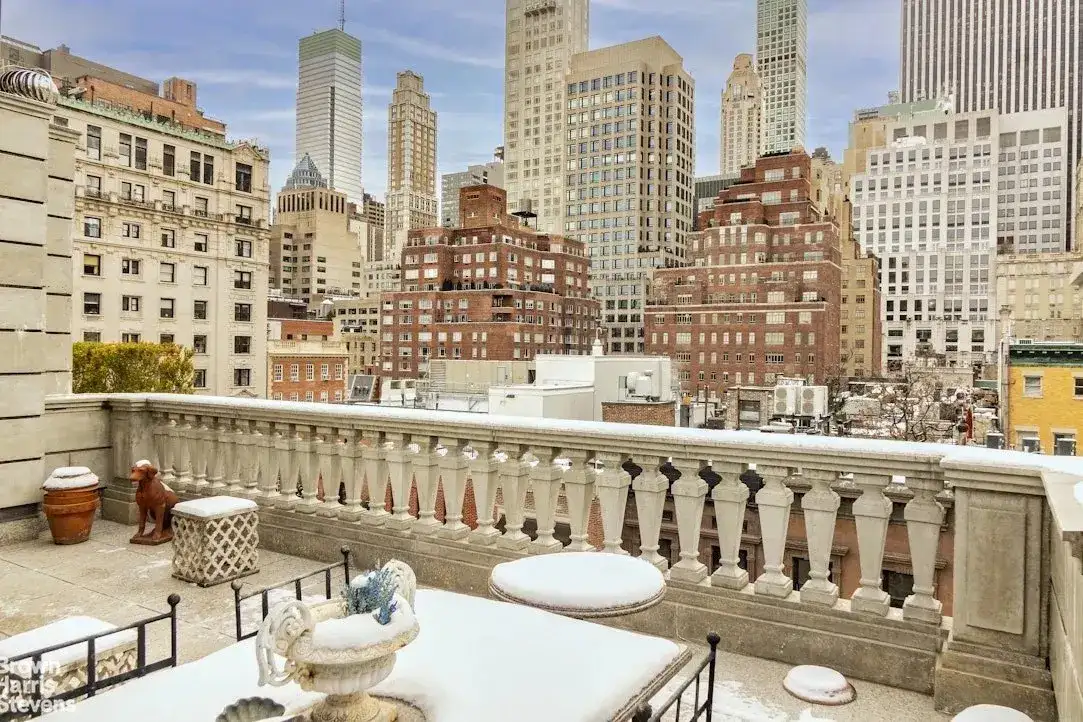
Volume and Velocity: Contrary to July 2025 reports that suggested high-net-worth individuals would pause or cancel acquisitions, firms like Miller Samuel and Olshan Realty have documented consistent growth in luxury deal-making throughout late 2025 and early 2026.
Economic Drivers: Institutional and individual capital allocation remains tethered to Wall Street performance and year-end bonus cycles, which currently outweigh the potential impact of local legislative tax adjustments.
Supply Constraints: Market analysts point to a chronic lack of inventory in prime districts as a primary floor for pricing, neutralizing the "threat" of a political discount on high-end assets.
| Timeline | Narrative | Market Status |
|---|---|---|
| July 2025 | Fear of 'Mamdani effect' | Stalled; buyers express caution |
| Dec 2025 | Narrative of flight rejected | Growth; market rebound observed |
| Apr 2026 | 'Pied-à-terre' tax debate | Firm; buyers continue purchasing |
"There is no 'Mamdani effect'… The numbers just aren’t bearing that out." — Jonathan Miller, CEO of Miller Samuel, on the stability of luxury sales.
The Anatomy of the 'Flight' Narrative
The hypothesis of an "exodus" originated shortly after the Democratic primary in mid-2025, when brokers reported clients pausing multi-million dollar investments due to anxiety regarding the new mayor’s progressive platform. This sentiment, heavily amplified by media cycles throughout the summer, posited that New York would see a massive shift of capital toward lower-tax jurisdictions like Florida.
Read More: North Epping house sells for $2.28 million on 6 April 2026
Current Legislative Context
Governor Kathy Hochul recently reached an agreement with the legislature on the state budget, which incorporates the contested pied-à-terre tax. The tax targets second-home owners—individuals who possess significant real estate but contribute minimally to the city's public service infrastructure.
While brokers continue to express concern that the actual implementation of the levy may serve as an inflection point, current data confirms that, to date, the political risk premium has not translated into a tangible decrease in luxury asset valuation or sales activity. The market persists as a globalized asset class, often decoupling from localized municipal governance in favor of status and liquidity.

:max_bytes(150000):strip_icc():focal(799x0:801x2)/nyc-sky-taylor-swift-travis-kelce-wedding-070326-2dc0d912004b400eac2c8c8b5adeff2a.jpg)
:max_bytes(150000):strip_icc()/GettyImages-186597754-5299e3e5f6b34731bde30b83ba436316.jpg)