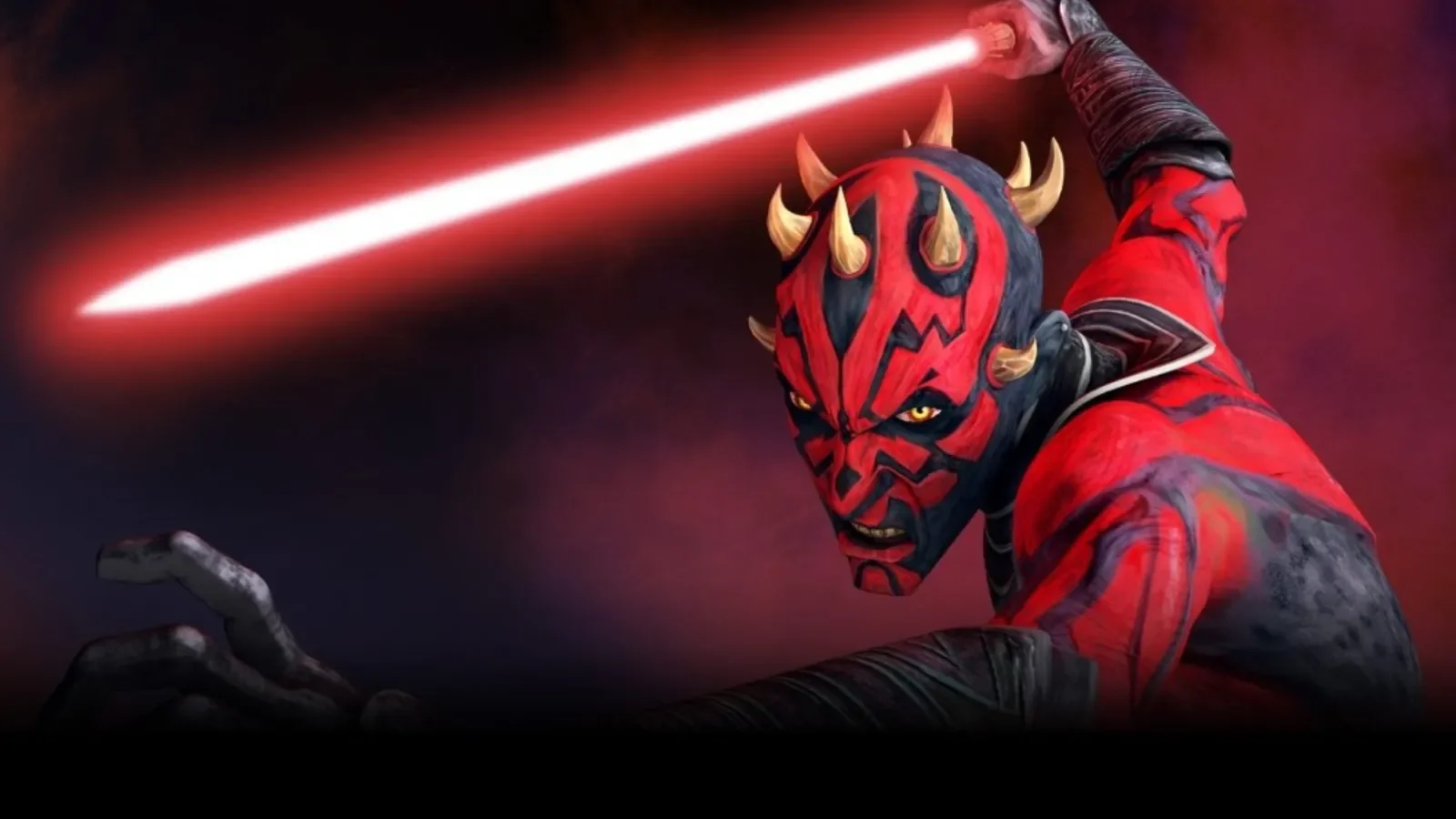
As of May 19, 2026, confirmed reports verify that the upcoming feature film The Mandalorian and Grogu contains no post-credits scenes. Audiences expecting additional footage, character teases, or franchise expansion hooks following the conclusion of the film are advised that the theater experience ends when the credits begin to roll.
The film serves as a self-contained narrative entry, moving away from the common industry practice of using post-credits segments to seed future franchise developments.
Structural Analysis: The Lucasfilm Tradition
The decision to omit a post-credits tag aligns with the broader history of the Star Wars franchise, which has historically functioned differently than its contemporary cinematic counterparts.
| Project Format | Post-Credits Presence |
|---|---|
| The Mandalorian S1 | None |
| The Mandalorian S2 | Yes (Teaser for The Book of Boba Fett) |
| The Mandalorian S3 | None |
| The Mandalorian and Grogu (Film) | None |
Industry observers note that while modern superhero cinema relies heavily on "stinger" scenes to build momentum for sequels, the Star Wars model under Jon Favreau, Dave Filoni, and Kathleen Kennedy continues to favor narrative finality within the film’s primary runtime.
The film, directed by Jon Favreau, is positioned as a standalone feature, focusing on the duo’s mission for the New Republic involving the retrieval of Rotta the Hutt.
Production teams have emphasized that the work was captured specifically for the IMAX format, reinforcing the intent for the visual storytelling to stand on its own without requiring ancillary post-credit bridge material.
Reflective Context
The absence of a mid-or-post-credits scene is viewed by some as a move toward creative independence. By refusing to leverage the credits for franchise housekeeping, the production isolates the journey of Din Djarin and his ward from the external pressure of "world-building" for its own sake.
Read More: The Devil's Rain 4K release sparks debate on cult status
Historically, this leaves the immediate future of the protagonists in a state of ambiguity. While some viewers may equate the lack of a tease with a lack of narrative momentum, others interpret the omission as a return to a more classical cinematic structure, where the emotional conclusion of the film remains the final point of focus for the audience. The choice underscores a deliberate friction against the Marvelization of blockbuster tentpoles, where stories are often treated as mere advertisements for the next installment rather than complete experiences.

:max_bytes(150000):strip_icc()/MORTAL-KOMBAT-II-LEWIS-TAN-050826-f54556c368f34929b0ed2ea7f658c792.jpg)