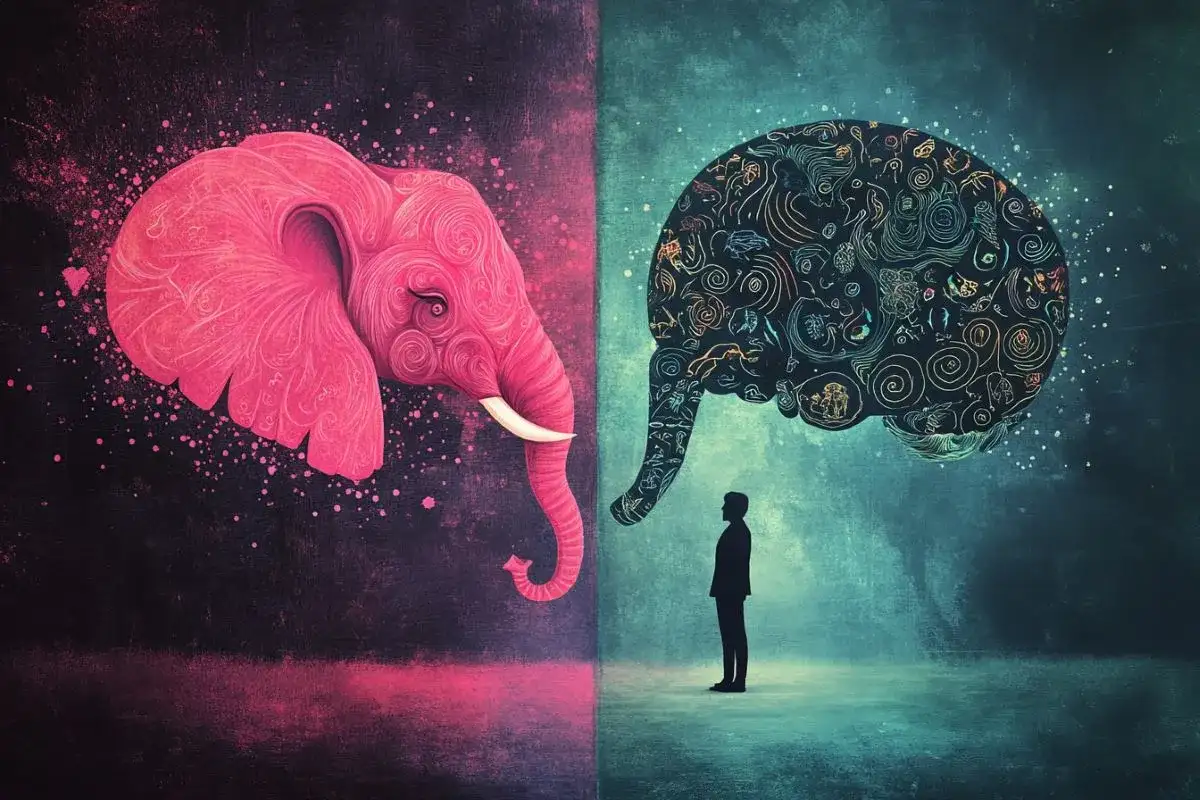
Aphantasia, the inability to conjure mental images, is forcing a serious rethink of how the mind works, particularly regarding abstract thought. For decades, prevailing theories, like that of philosopher David Hume, posited that our ideas and concepts are built from sensory experiences, essentially mental snapshots. Yet, individuals with aphantasia navigate complex cognitive tasks, suggesting that mental imagery might not be the sole or even primary engine of abstract reasoning.
The core contention is that if abstract thought relies on picturing things in the mind, then those who cannot picture anything should be severely hampered in their intellectual pursuits. This is demonstrably not the case. Researchers are observing that even without internal visuals, people with aphantasia exhibit understanding, creativity, and problem-solving abilities that seem to defy the older models.
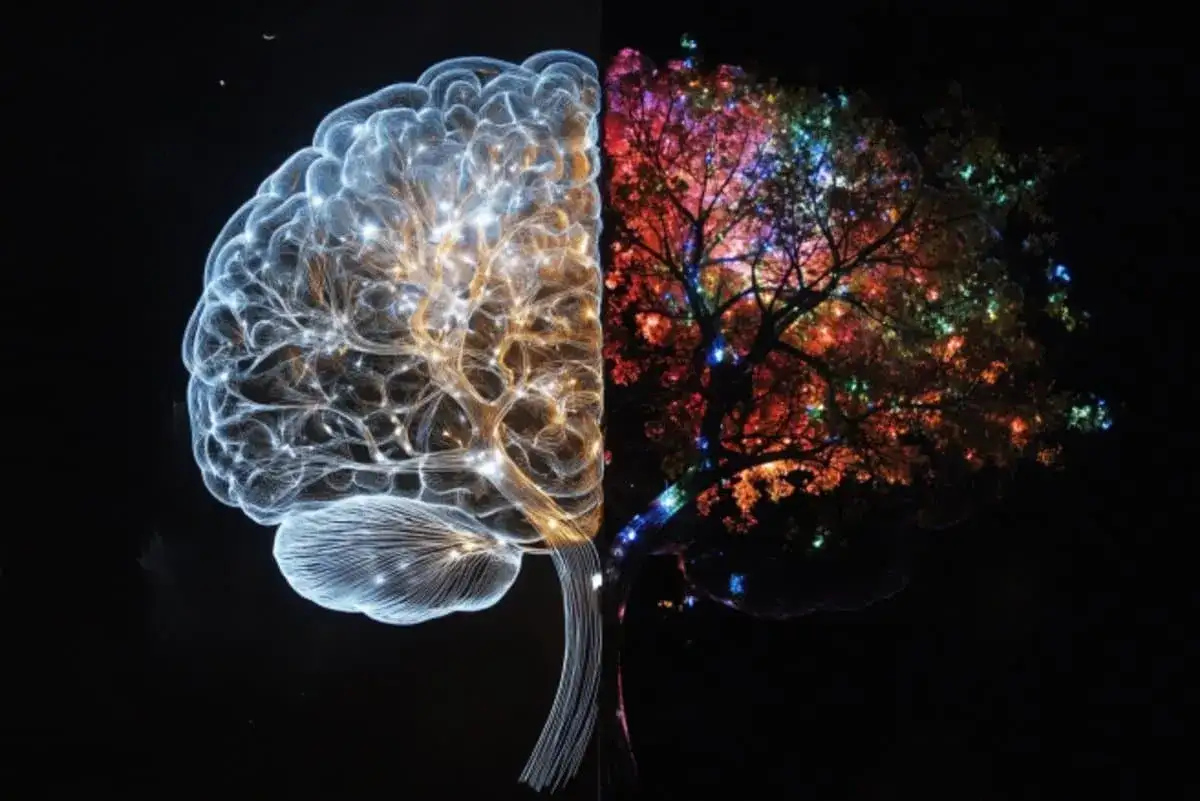
Thinking Beyond Pictures
Classical philosophical and psychological frameworks often tied conceptualization to sensory representation. David Hume, for instance, argued that our ideas are derived from impressions – vivid sensory experiences. Consequently, his model suggested that abstract thought, which deals with concepts beyond immediate perception, must still be rooted in these mental images, albeit perhaps less vivid ones.
Read More: Indigenous Data Rights Now Key in Conservation Genomics
However, aphantasia, a condition where individuals lack the ability to voluntarily visualize, directly challenges this. Studies reveal that while people with aphantasia may not consciously see a mental triangle or rainbow, they can still engage with the concept of a triangle or the idea of a rainbow. This implies that abstract thought can function through different mechanisms, possibly involving more symbolic or non-visual mental representations.
Brain Activity and Connectivity
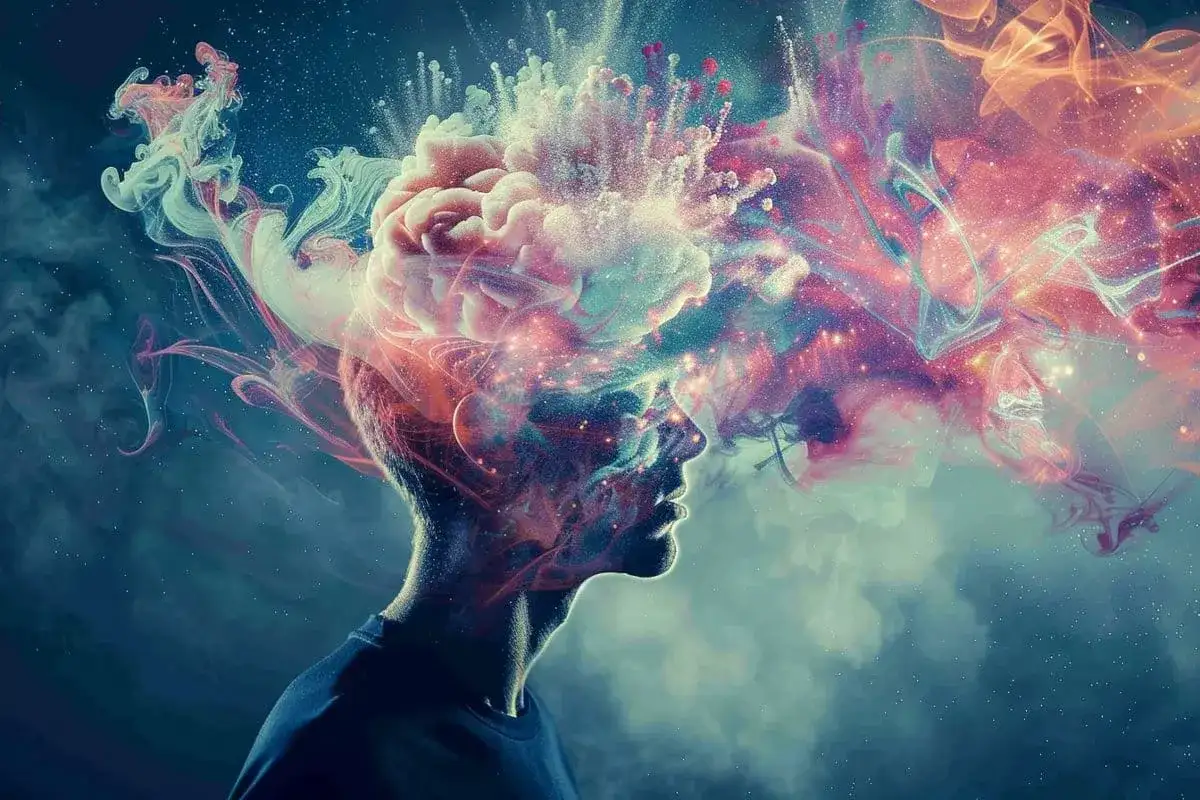
Neuroscientific investigation into aphantasia points to subtle differences in brain function, rather than a complete absence of visual processing. While key brain regions involved in visual processing and memory do activate during mental imagery tasks in individuals with aphantasia, the connectivity between these regions appears weaker.
This suggests that the richness of mental imagery isn't solely about activation but crucially depends on the integration of signals across attention, memory, and visual areas of the brain. The lack of vivid mental imagery doesn't equate to a deficit in understanding or creativity, as aphantasic individuals often demonstrate strong visual knowledge and retain their capacity for insight.
Read More: India IVF Costs And Social Barriers Limit Access In April 2026

Subtypes and Nuances
Aphantasia is not a monolithic experience. Research indicates subtypes of aphantasia exist, meaning not all individuals experience it identically. For example, some with aphantasia may still experience visual dreams, while others might not.
Further, the condition isn't necessarily linked to broader cognitive impairments like poor autobiographical memory or face recognition difficulties, though some studies have noted potential correlations with autism in a minority of cases. The existence of its opposite, hyperphantasia (where mental imagery is exceptionally vivid), also highlights the wide spectrum of visual imagination. Both conditions often appear to run in families, suggesting a possible genetic component.
Read More: New Room Temperature Photon Source for Quantum Tech in Korea

Unconscious Imagery and the Future
An emerging perspective suggests that aphantasia might involve unconscious mental imagery. While individuals with aphantasia cannot consciously summon images, these representations could still be processed below the level of awareness, contributing to cognitive functions.
This evolving understanding challenges long-held assumptions about the primacy of visual imagery in cognition. It opens avenues for exploring alternative pathways for thought, memory, and creativity, fundamentally reshaping how we perceive the architecture of the human mind.