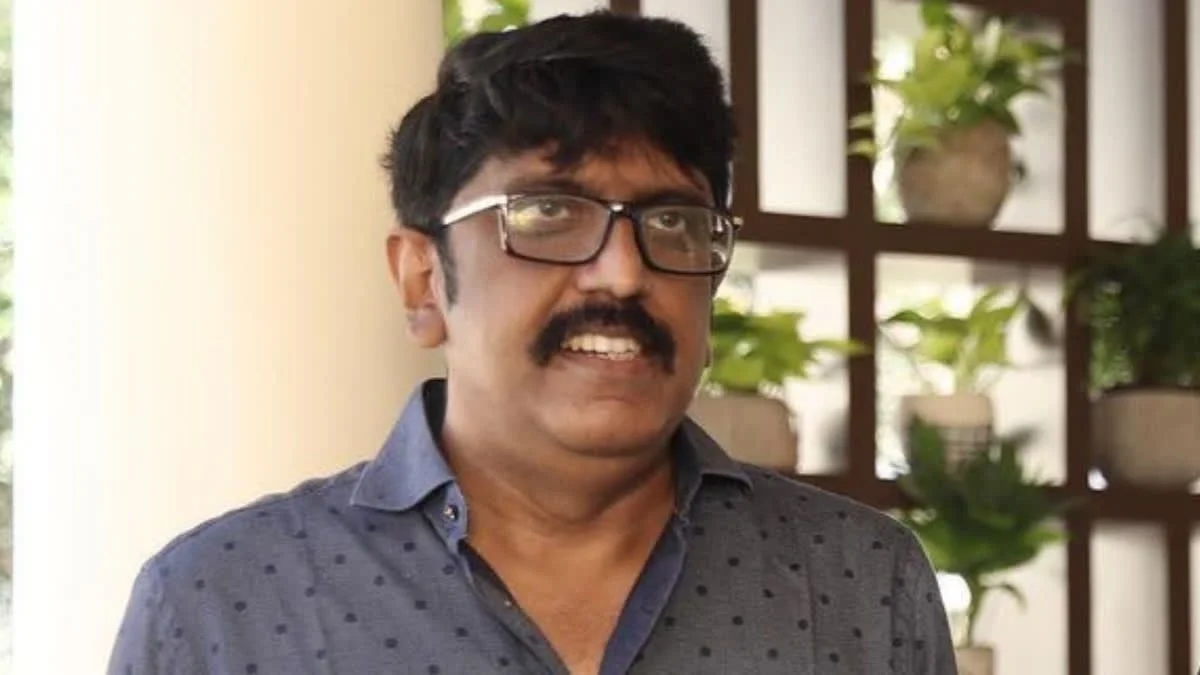
Recent statements by B. Unnikrishnan, the general secretary of the Film Employees Federation of Kerala (FEFKA), have brought to the forefront significant discussions about the internal workings and challenges within the Malayalam film industry. Unnikrishnan has publicly attributed budget overruns and production delays to actors, while also acknowledging the existence of "casting couch" practices, a point he denies are linked to organized power groups. These claims, however, have met with sharp criticism from some industry figures, raising questions about transparency, labor practices, and industry leadership.
Context of the Statements
The pronouncements from B. Unnikrishnan arrive at a time of increased scrutiny of the Malayalam film industry, partly due to reactions to the Justice K. Hema Committee report. This report, which investigated the working conditions and challenges faced by women in the industry, has prompted various responses from prominent actors and industry bodies.
Read More: Danny McBride finishes G.I. Joe script for Paramount by April 2026
Recent Timeline:
Early September 2024: B. Unnikrishnan submits his resignation from a government film policy committee.
September 12, 2024: B. Unnikrishnan publicly questions the Hema Committee's methodology, alleging it did not consult organizations beyond the Women in Cinema Collective (WCC).
September 1, 2024: B. Unnikrishnan confirms the existence of "casting couch" but denies "power groups" in interviews.
Late August 2024: Director Ashiq Abu and Vinayan publicly criticize B. Unnikrishnan, calling for his removal from the film policy committee and labeling him a hypocrite.
Prior to September 2024: Actors Mohanlal and Mammootty react to the Hema Committee report, with Mohanlal urging industry protection and Mammootty explaining his silence due to waiting for industry body responses.
Key Actors Involved:
B. Unnikrishnan: General Secretary of FEFKA, a prominent film director and industry figure.
Justice K. Hema Committee: Formed by the government to study issues in the Malayalam film industry, particularly concerning women.
Women in Cinema Collective (WCC): An organization advocating for women in the film industry.
Ashiq Abu: A director who has openly criticized Unnikrishnan.
Vinayan: Another director who has previously taken legal action against film associations.
Mohanlal and Mammootty: Leading actors and figures in the industry, reacting to the Hema Committee report.
AMMA (Association of Malayalam Artistes): A key actors' body.
Unnikrishnan's Allegations and Admissions
B. Unnikrishnan, in his capacity as FEFKA general secretary, has made several notable public statements.

Budget Overruns and Delays:
FEFKA's stance is that actors are to blame for increased budgets and delayed productions.
The federation suggests that if actors were part of labor agreements, it might address these issues.
A recent agreement revised the daily work schedule from 16 hours to 12 hours, a change seen as beneficial for workers' health, implying that longer schedules were a factor.
Casting Couch and Power Groups:
B. Unnikrishnan has acknowledged that denying the existence of "casting couch" in the Malayalam film industry would be to "deny reality."
He has, however, explicitly denied the existence of organized "power groups" within the industry.
Criticism of the Hema Committee:
Unnikrishnan has questioned the Hema Committee, alleging it did not consult with a broad range of organizations, exclusively engaging with the WCC.
He has cited examples like Parvathy Thiruvothu and Rima Kallingal to refute claims that women actors, particularly WCC members, receive less work.
Unnikrishnan himself resigned from a government film policy committee, stating it was on September 8, the last day of the panel's sittings.
Industry Reactions and Counter-Claims
The statements by B. Unnikrishnan have generated strong opposition from several quarters within the film fraternity.

Accusations of Hypocrisy:
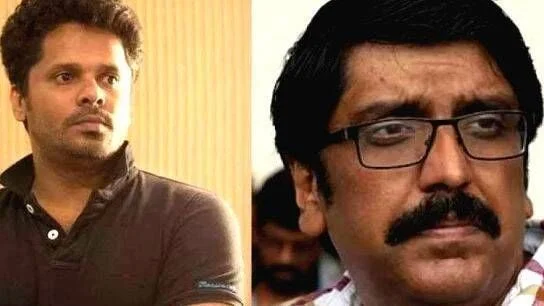
Director Ashiq Abu has directly called B. Unnikrishnan a "hypocrite" and accused him of "conniving in criminal activities and labor violations."
Abu alleges that FEFKA, under Unnikrishnan's leadership, exhibits a "feudalistic approach" and "feudal control."
There are calls for Unnikrishnan's removal from the government's film policy formulation committee, with the argument that labor issues would be better managed without his involvement.
Demands for Transparency:
Ashiq Abu has urged for a transparent discussion among all 21 unions within FEFKA regarding these issues.
FEFKA itself stated it would release an analysis of the Hema Committee findings after consulting its women members, a move that Ashiq Abu appears to have criticized as hypocritical in light of Unnikrishnan's broader stance.
Past Grievances:
Director Vinayan has highlighted past instances where film associations, including FEFKA and its office bearers, were fined by the Competition Commission of India for practices that led to unfair denial of work opportunities.
The Competition Commission's findings, and subsequent appeals, suggest a history of anti-competitive behavior affecting the livelihoods of filmmakers.
Actor Responses to Hema Report:
Actors like Mohanlal and Mammootty have responded to the Hema Committee report.
Mohanlal requested the public not to harm the industry's reputation, while Mammootty explained his silence by stating he waited for AMMA's official response. Both have denied the existence of "powerhouse" dynamics within the industry.
Economic Pressures in Malayalam Cinema
Beyond the internal disputes, the industry is facing significant financial challenges, which may influence the discourse.
Reported Losses:
Malayalam cinema reportedly incurred a loss of ₹700 crore in 2024.
Factors cited for these losses include rising production costs and escalating actor fees.
Debate on Actor Fees:
There is an ongoing discussion about whether film organizations can effectively curb increasing actor fees.
A perspective shared is that while some actors claim pan-Indian stardom, the Malayalam industry may not yet possess such widely recognized figures, leading to a disconnect between fees and box office returns.
The sentiment is that audiences are increasingly abandoning films that do not resonate, regardless of star power.
Expert Analysis and Observations
Industry observers note a complex interplay of interests and historical contexts shaping the current debates.
FEFKA's Role: As a federation representing film employees, FEFKA's mandate is to protect worker interests. However, its leadership's public statements and alleged alignment with certain practices draw scrutiny.
Hema Committee's Impact: The committee's report has served as a catalyst for open discussion on long-standing issues, prompting both defensive reactions and calls for reform.
Leadership Accountability: The criticisms leveled against B. Unnikrishnan by directors like Ashiq Abu highlight a demand for greater accountability and ethical conduct from industry leaders, especially when involved in policy-making.
Conclusion and Implications
The public statements by B. Unnikrishnan, coupled with the critical responses they have generated, reveal deep-seated tensions within the Malayalam film industry.
Key Findings:
FEFKA, through its general secretary, has pointed fingers at actors for financial and production issues, while also admitting to prevalent "casting couch" issues but denying organized power structures.
These claims have been met with accusations of hypocrisy and demands for accountability from prominent directors.
The industry is simultaneously grappling with significant financial losses, partly attributed to escalating production costs and actor fees.
Implications:
The ongoing disputes raise questions about the effectiveness of current industry leadership in addressing systemic problems.
Calls for transparency and a more ethical approach to labor and production practices are gaining momentum.
The integrity of organizations involved in policy formulation, like FEFKA, is under examination, particularly in light of past regulatory penalties and current criticisms.
The debate underscores a need for constructive dialogue and concrete reforms to ensure the sustainable and ethical growth of the Malayalam film industry.
Next Steps:
Further scrutiny of FEFKA's internal functioning and its engagement with labor agreements is warranted.
An independent assessment of the dynamics between actors, producers, and employees concerning production costs and fees may be necessary.
The outcomes of discussions within FEFKA and the government's film policy committee will be crucial in shaping future industry practices.
Sources Used
The Hindu: Article published on Sep 14, 2024, reporting on FEFKA's allegations regarding budget overruns and production delays, citing B. Unnikrishnan.
https://www.thehindu.com/news/national/kerala/actors-to-blame-for-budget-overruns-and-production-delays-alleges-fefka-general-secretary-b-unnikrishnan/article70610290.ece
Hindustan Times: Article seen on AOL, detailing B. Unnikrishnan's admission of "casting couch" and denial of power groups, alongside reactions from Mohanlal and Mammootty.
https://www.hindustantimes.com/entertainment/others/fefka-general-secretary-b-unnikrishnan-admits-theres-casting-couch-denies-power-groups-in-malayalam-film-industry-101725184353914.html
Kerala Kaumudi: Article dated August 28, 2024, reporting Ashiq Abu's strong criticism of B. Unnikrishnan, calling him hypocritical and involved in labor violations.
https://keralakaumudi.com/en/news/news.php?id=1373220&u=b-unnikrishnan-is-a-hypocrite-conniving-in-criminal-activities-and-labour-violations
ETV Bharat: Article dated September 1, 2024, reiterating B. Unnikrishnan's admissions about "casting couch" and denial of power groups, in the context of the Hema Committee report and actor responses.
https://www.etvbharat.com/en/!entertainment/fefka-secretary-b-unnikrishnan-admits-casting-couch-exists-refutes-claims-of-power-groups-in-mollywood-enn24090103187
The South First: Article dated September 13, 2024, detailing B. Unnikrishnan's questioning of the Hema Committee's consultation process and his resignation from a government panel.
https://thesouthfirst.com/entertainment/malayalam/fefka-general-secretary-b-unnikrishnan-raps-justice-hema-committee-for-not-consulting-organisations-other-than-wcc/
The News Minute: Article dated August 28, 2024, reporting Aashiq Abu and Vinayan's demand for B. Unnikrishnan's removal from a government film policy committee, mentioning past Competition Commission penalties.
https://www.thenewsminute.com/kerala/aashiq-abu-vinayan-demand-b-unnikrishnan-be-dropped-from-govts-film-policy-committee
The Week: Article dated August 28, 2024, where Aashiq Abu criticizes B. Unnikrishnan's alleged hypocrisy regarding FEFKA's response to the Hema Committee Report.
https://www.theweek.in/news/entertainment/2024/08/28/aashiq-abu-slams-b-unnikrishnans-hypocrisy-over-fefka-response-to-hema-committee-report.html
Indian Express: Article dated January 23, 2025, discussing financial losses in Malayalam cinema, citing factors like rising production costs and actor fees.
https://indianexpress.com/article/entertainment/malayalam/why-malayalam-cinema-reported-rs-700-cr-loss-in-2024-surging-production-costs-escalating-actors-fees-emphasis-on-star-power-9776632/
IMDb News: Article from AOL, mentioning FEFKA's expressed displeasure over actors' behavior, within a broader news digest.