
Recent actions by the Indian Medical Association (IMA) and other private hospital groups highlight persistent disagreements regarding the Kerala Clinical Establishments Act. While the Kerala High Court has largely upheld the Act, emphasizing transparency and patient rights, medical associations continue to express concern about its impact, particularly on smaller healthcare providers. The IMA plans further actions, including a protest, to convey its reservations to the government.
The core of the dispute centers on the Act's provisions, which mandate increased transparency, standardized care, and regulatory oversight for all clinical establishments. These requirements, aimed at ensuring public health and patient welfare, have faced significant opposition from segments of the private healthcare sector who argue they present undue burdens and potential hardships.

Background: A Legal Framework for Healthcare Standards
The Kerala Clinical Establishments Act, first enacted in 2018, seeks to regulate the operation of healthcare facilities within the state. The Act's primary goals are to ensure the registration of all clinical establishments, maintain prescribed minimum standards, and promote transparency in healthcare services.
Read More: Rob James Claims Hair Loss Reversed With Daily Routine, Others Use Minoxidil
Key provisions that have become points of contention include:
Mandatory Display of Rates: Clinical establishments are required to visibly display their service rates and package charges in both English and Malayalam.
Emergency Care: All hospitals must provide initial stabilization and first aid in emergencies and facilitate safe patient transfers if necessary, irrespective of the patient's ability to pay upfront.
Staff Details: Hospitals are required to provide staff information to authorities for regulatory checks, though not necessarily personal details publicly.
Patient Representation: The inclusion of patient welfare representatives in regulatory bodies was a point of challenge.
The Act's implementation has faced delays, with the Kerala High Court expressing concern over the slow pace of rule-making for inspections and compliance, noting that seven years after the Act's introduction, many key functions remain without clear guidelines.
Medical Associations' Concerns: Impact on Small Hospitals and Accessibility
The Indian Medical Association (IMA), along with the Kerala Private Hospitals Association (KPHA) and the Indian Dental Association, have voiced substantial concerns about the practical implications of the Clinical Establishments Act. Their primary apprehension is that the Act's stringent requirements could disproportionately affect small and medium-sized hospitals, potentially leading to closures.
Financial Strain: Implementing mandated standards and displaying transparent fee structures is seen as an additional financial burden, particularly for smaller institutions that provide affordable care.
Operational Challenges: Requirements such as providing emergency treatment without advance payment are viewed as impractical by some.
Ambiguity in Regulations: The IMA has argued that terms like "fee rate" and "package rate" are not clearly defined, raising fears of arbitrary enforcement.
To convey these issues, the IMA's Kerala State branch has indicated plans for a dharna (protest) outside the Secretariat on February 21st, designating the day as Public Health Protection Day. They have also stated that their concerns have been directly communicated to the Chief Minister.
Read More: Kerala Congress MP K. Sudhakaran to contest Kannur assembly seat, sparking debate
"Small and medium hospitals, which provide affordable health care to people, will have to shut shop if the government insists on going ahead with the implementation of the Act."- Hussain Koya Thangal, President, KPHA
Judicial Scrutiny and Upholding the Act
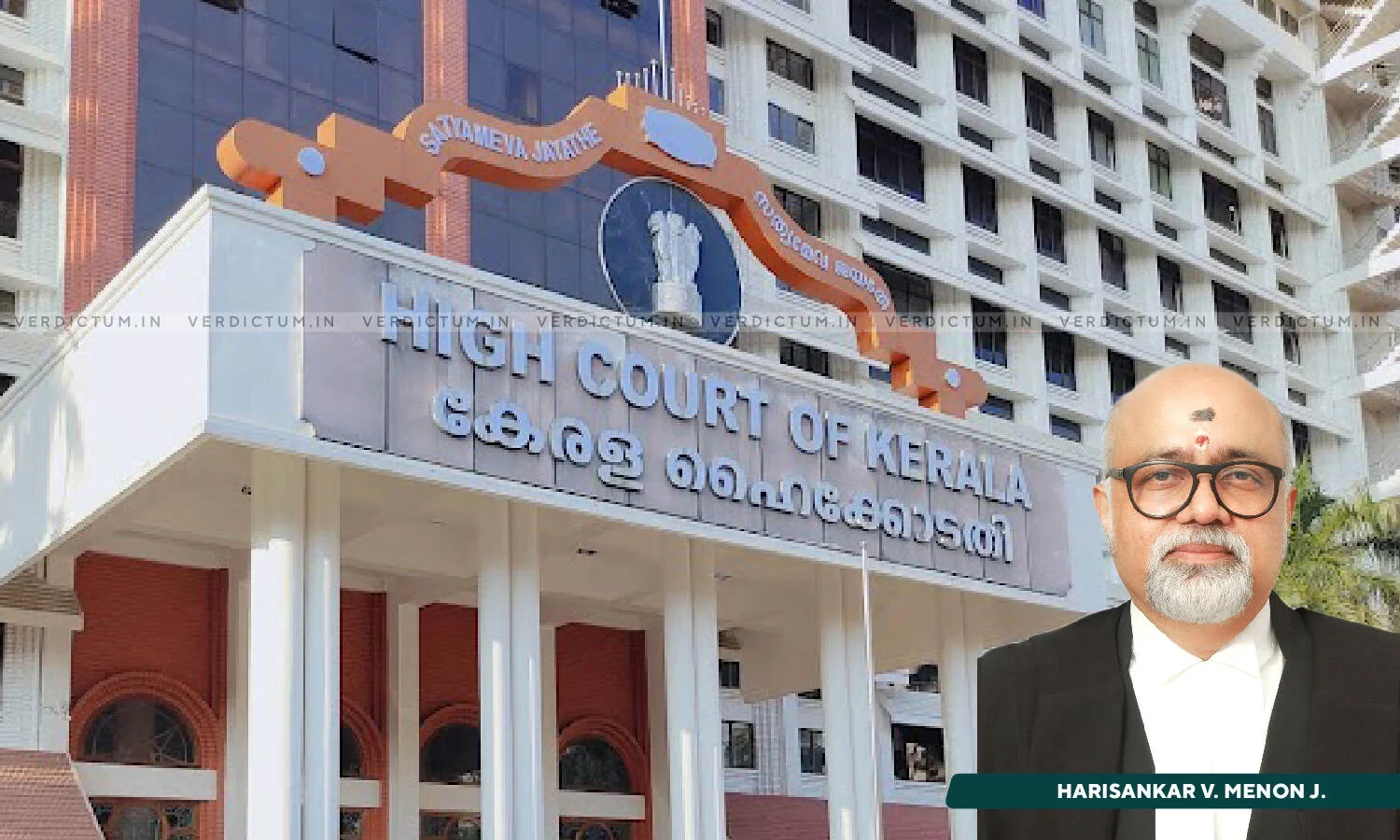
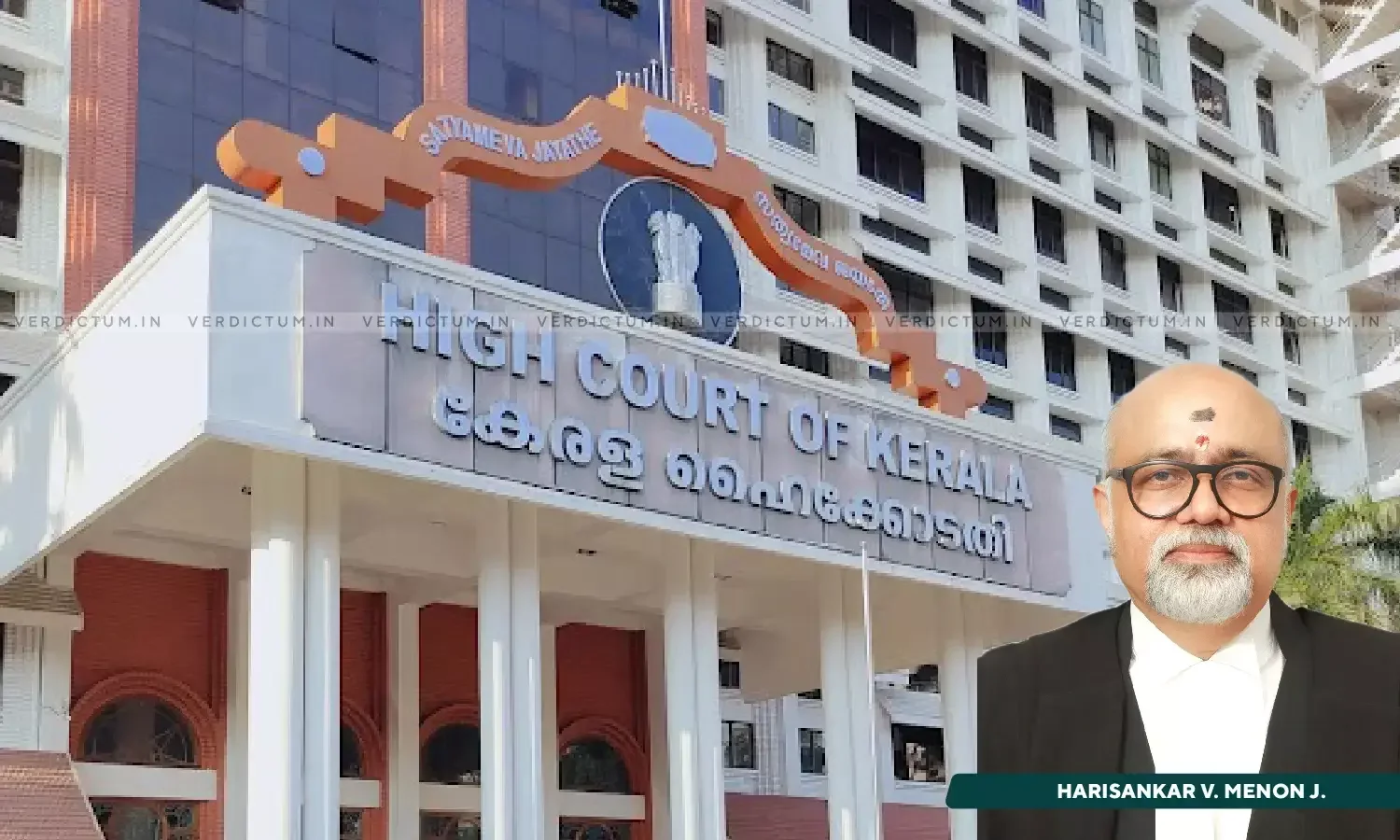
The Kerala High Court has repeatedly addressed challenges to the Clinical Establishments Act, largely ruling in favor of its provisions. Multiple legal challenges, including those by the IMA and private hospital associations, have been dismissed.

Transparency and Patient Rights: The Court has emphasized that displaying rates, providing itemized bills, and offering emergency care without advance deposits are crucial for transparency and patient rights.
Legitimacy of Regulation: The Court has affirmed the state's authority to regulate healthcare establishments in the public interest, deeming the Act neither vague nor arbitrary and consistent with global norms.
Inclusion of Dentistry: The High Court clarified that dentistry falls under the purview of the Act, as it is a specialized branch of medical science that the state is competent to regulate.
Patient Representatives: The inclusion of patient welfare representatives in regulatory bodies was upheld, ensuring balanced decision-making.
"Dentistry is a specialized branch of medical science, and the State is competent to regulate it under healthcare laws."- Kerala High Court Bench
The Court has issued guidelines for displaying rates, services, patient rights, and grievance contacts. It has also directed the state to formulate guidelines for confidentiality and data protection.
Ongoing Implementation and Regulatory Oversight
Despite judicial backing, the effective implementation of the Clinical Establishments Act faces challenges, primarily due to delays in framing specific rules and procedures. The Kerala High Court has specifically noted the "inordinate delay" in establishing rules for inspections and operationalizing the Act's council functions.
Rule-Making Delays: The absence of clear rules for inspections and council operations, nearly seven years after the Act's commencement, hinders its full implementation.
Compliance Undertakings: Hospitals are required to submit compliance undertakings within 30 days of being issued, indicating a need for a structured compliance mechanism.
Need for Standards: The High Court has linked the enforcement of standards to preventing adverse incidents in healthcare facilities, underscoring the urgency of regulatory oversight.
The interplay between the medical fraternity's concerns about practical implementation and the judiciary's insistence on public welfare standards continues to shape the evolving landscape of healthcare regulation in Kerala.
Read More: New Savory Breakfast Trend Helps People Feel Fuller Longer
Sources
The Hindu: IMA expresses concern over impact of Kerala Clinical Establishments Act on small hospitals (Published: ~7 minutes ago)
Context: Recent statement from IMA regarding ongoing concerns about the Act's effects.
Onmanorama: Kerala HC upholds Clinical Establishments Act; dismisses appeals by IMA, private hospitals (Published: Nov 27, 2025)
Link: https://www.onmanorama.com/news/kerala/2025/11/27/kerala-clinical-establishments-act-upheld.html
Context: Reports on the High Court's decision to uphold the Act and the court's specific guidelines.
Verdictum: Kerala High Court Dismisses Plea Of Private Hospital Associations & IMA Challenging Display Of Fee Or Package Rates By Clinical Establishments (Published: Jun 25, 2025)
Context: Focuses on the High Court's dismissal of challenges related to fee display mandates.
Courtbook: Kerala High Court Upholds Law Mandating Rate Display by Hospitals; Rejects IMA & Private Hospital Associations' Plea (Published: Jun 25, 2025)
Context: Details the High Court's decision on rate display and other provisions like dentistry's inclusion.
BW Legal World: Kerala HC Upholds Clinical Establishments Act; Says Hospitals Must Display Services And Ensure Transparency (Published: Nov 27, 2025)
Context: Highlights the Court's emphasis on transparency, emergency care, and global norms.
Times of India: Clinical Establishments Act: Kerala HC expresses concern over inordinate delay in framing rules (Published: Aug 8, 2025)
Context: Reports the High Court's observation regarding delays in rule-making for the Act.
Chandrawat & Partners: Kerala High Court Upholds Clinical Establishments Act: A Landmark Victory for Transparency, Patient Rights & Ethical Healthcare (Published: Nov 27, 2025)
Context: Provides an overview of the High Court's ruling from a legal perspective, focusing on transparency and patient rights.
The Hindu: Implementation of Kerala clinical establishments Act will affect small hospitals, say private hospital forum and IMA (Published: Nov 28, 2025)
Context: Summarizes the viewpoint of private hospital groups and the IMA on the Act's potential adverse effects.