As the 2026 NFL Draft looms, a fragmented picture of team deficiencies and strategic targets emerges across the league. Reports indicate a widespread emphasis on bolstering defensive lines and secondary units, with a significant, though less uniform, focus on offensive line and wide receiver acquisitions. The availability of talent, particularly on the defensive side, appears to be a dominant factor shaping draft room discussions, with some analyses suggesting a need to prioritize the "best defensive player available" early in the proceedings.
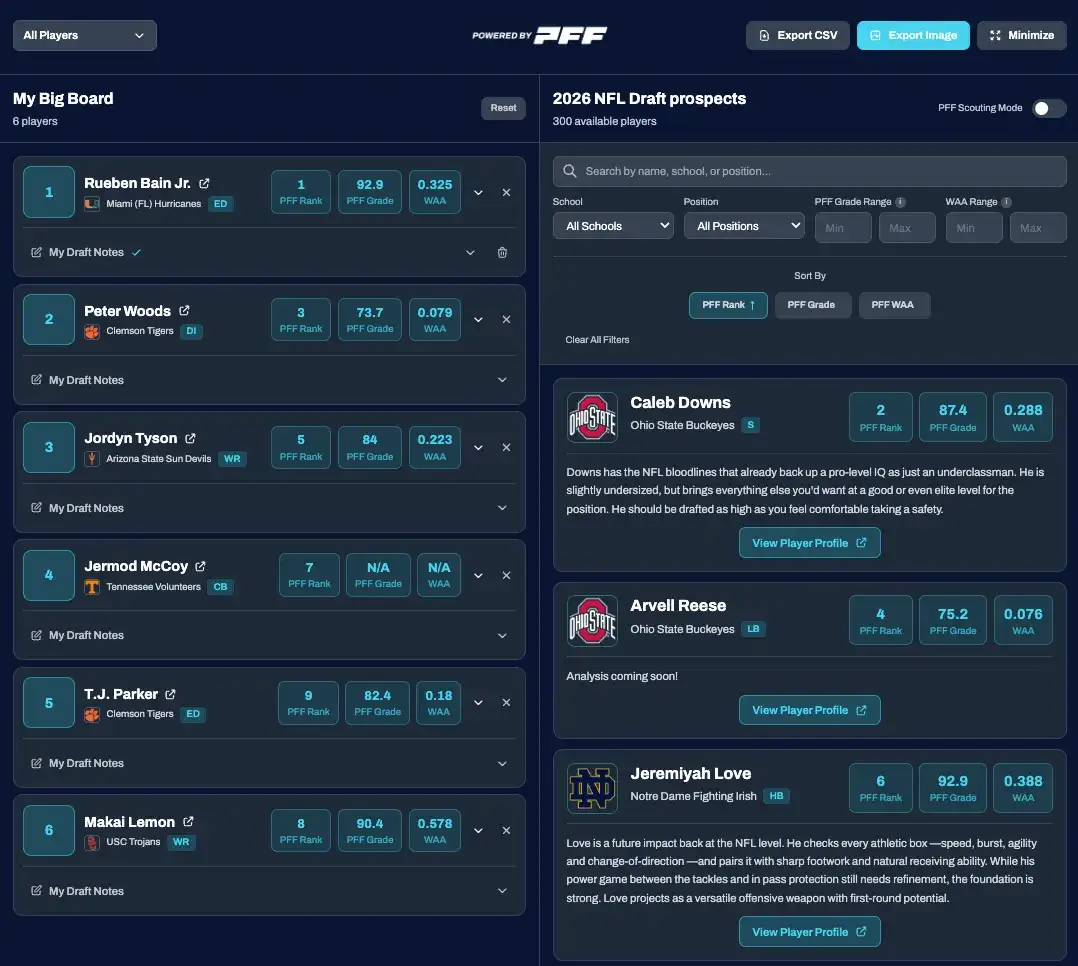
Most prominent needs identified across multiple analyses point towards significant investment in defensive line and cornerback positions. This is underscored by explicit mentions of teams like the Vikings desperately needing help on the defensive line and Jacksonville's defensive interior ranking among the league's weakest in pass-rush productivity. ==
Several franchises are noted for their unique draft capital or front-office tendencies. The New York Jets are described as a team that "controls this draft" due to their draft capital, while the reigning Super Bowl champion Seattle Seahawks, despite having only four picks, still hold their crucial first- and second-round selections. The subjectivity of "front-office aggressiveness" is highlighted, with Mike Borgonzi's initial draft approach with the Titans being described as "not overly aggressive."
Read More: Jon Rahm Denies LIV Golf Regret Amidst Tour Merger Talk

Team-Specific Needs Emerge Amidst Roster Gaps
Regardless of recent free agency maneuvers, nearly every NFL team faces significant voids that the upcoming draft is expected to address. The Arizona Cardinals, for example, are pinpointed with needs in defensive line, offensive tackle, and running back. Meanwhile, the Washington Commanders face a pressing need for help at tight end, guard, edge rusher, linebacker, and defensive back, stemming from a season defined by defensive struggles. The New York Giants, beyond inconsistencies on the offensive line save for Andrew Thomas, are also identified with requirements at wide receiver, guard, tackle, and cornerback.

| Team | Primary Needs Identified | Secondary Needs Identified | Notes |
|---|---|---|---|
| Minnesota Vikings | Defensive Line | Linebacker, Safety | Explicitly stated need for defensive line help. |
| New York Jets | Quarterback, Wide Receiver, Interior Offensive Line | (Implied) Aggressiveness | Possess significant draft control. |
| Seattle Seahawks | Cornerback, Safety, Interior Offensive Lineman | (Limited picks) First & Second Round Selections | Reigning Super Bowl champions with fewer overall picks. |
| Washington Commanders | Tight End, Guard, Edge Rusher, Linebacker, Defensive Back | Defensive struggles defined season. | |
| New York Giants | Wide Receiver, Guard, Tackle, Cornerback | Offensive Line inconsistency (except Andrew Thomas). | |
| Jacksonville Jaguars | Defensive Line, Cornerback, Linebacker | Defensive interior ranked low in pass-rush productivity. | Veteran Arik Armstead's performance noted. |
| Atlanta Falcons | Wide Receiver, Defensive Line, Linebacker | ||
| Chicago Bears | Edge Rusher, Offensive Tackle, Safety | Run defense was a persistent issue. |
The Evolving Draft Narrative
The discourse surrounding the NFL Draft has long been characterized by a blend of analytical projections and the unpredictable shifts of draft day itself. Strategies, once seemingly solid, can be upended by a single player's unexpected slide down the draft board. This inherent uncertainty fuels fan engagement and robust debate, with the perceived success or failure of a team's draft class often becoming a significant talking point throughout the subsequent season. The impending 2026 draft continues this tradition, presenting a complex web of team needs, available talent, and the strategic maneuvering that defines the league's annual talent acquisition event.
Read More: 2026 NFL Draft: Teams Need Defense, Offensive Line Help