Escalating Rhetoric Over Bolsonaros' Alleged 'Treason'
"They betrayed the country. They will have to answer for their betrayal. They are traitors."— Luiz Inácio Lula da Silva
Recent pronouncements from President Luiz Inácio Lula da Silva have thrust Brazil's already fractured political landscape into further turmoil. Lula, speaking on May 5th, 2026, directed particularly sharp criticism towards the Bolsonaro family, accusing them of "betrayal" and suggesting they "will have to answer for their betrayal." The strong language, vehemently denied by Bolsonaro allies, comes in the wake of an unspecified meeting involving Jair Bolsonaro and Donald Trump. The exact nature of this meeting remains obscured, fueling speculation and intensifying partisan rancor.
The President’s comments, interpreted by some as hinting at severe repercussions, have been met with swift condemnation. Critics argue that such pronouncements from the nation’s highest office exacerbate political tensions and undermine democratic norms. Supporters, however, maintain that Lula is simply voicing legitimate concerns about alleged actions detrimental to the nation's stability. The lack of concrete details surrounding the alleged "betrayal" leaves ample room for interpretation, a common tactic in Brazil's highly polarized political discourse.
Read More: Taiwan Holds Nantou County Drills to Prepare for State Collapse
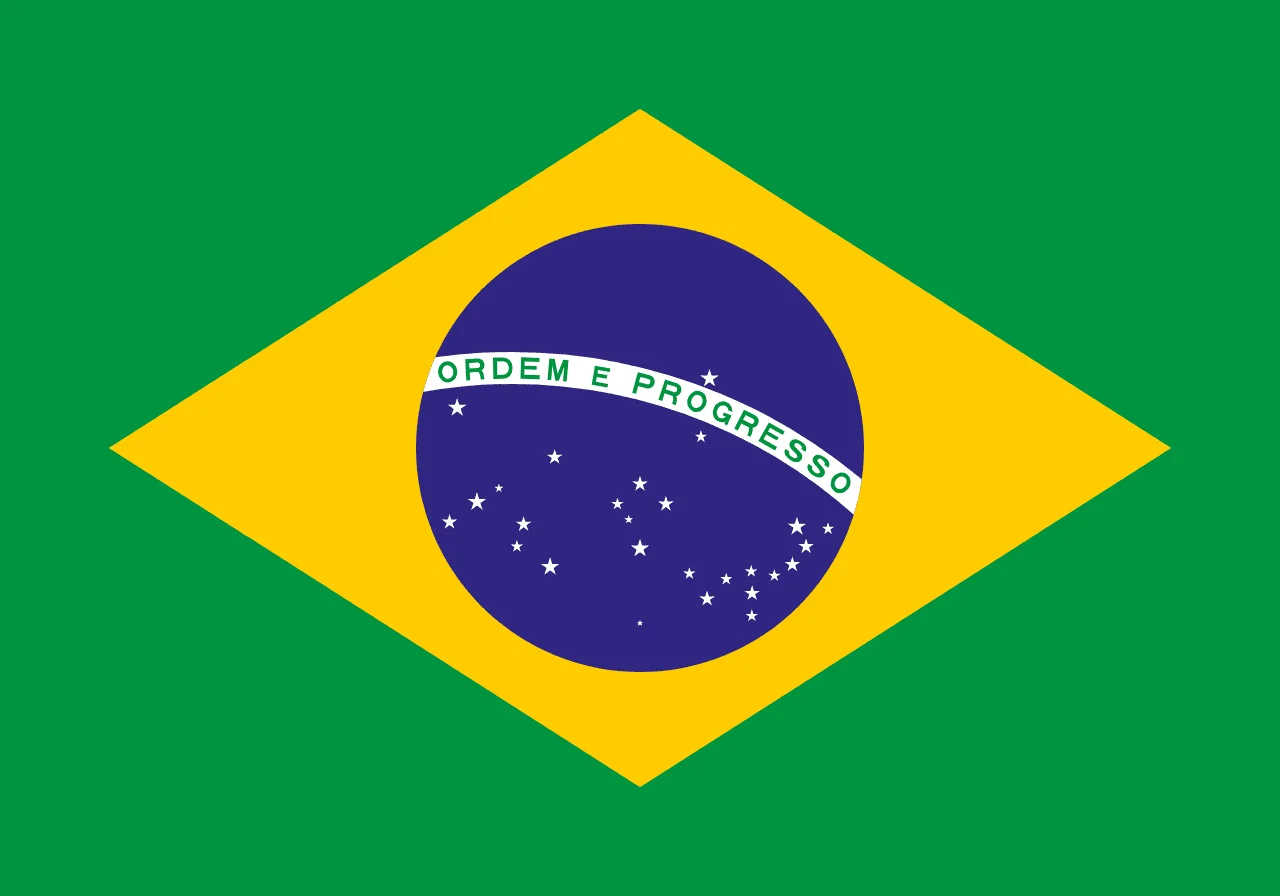
Undercurrents of Political Division
The friction between Lula and the Bolsonaros is not new, representing a deep ideological chasm that has characterized Brazilian politics in recent years. While Lula's current administration champions social programs and environmental preservation, the Bolsonaros have historically advocated for policies prioritizing economic liberalization and conservative social values.
Brazil, a sprawling nation on the South American continent, boasts a vibrant culture and a population characterized by its youth. Its geography encompasses diverse regions, from the rugged Guiana Highlands to the iconic cityscape of Rio de Janeiro. Economically, the country presents a mixed profile, with robust industrial and agricultural sectors. Environmental challenges, however, remain a persistent concern. The nation's demographic makeup shows a slight surplus of women, with median ages for males and females around 35 and 37 respectively.