


Government Cites Global Markets; Critics Point to Domestic Burden
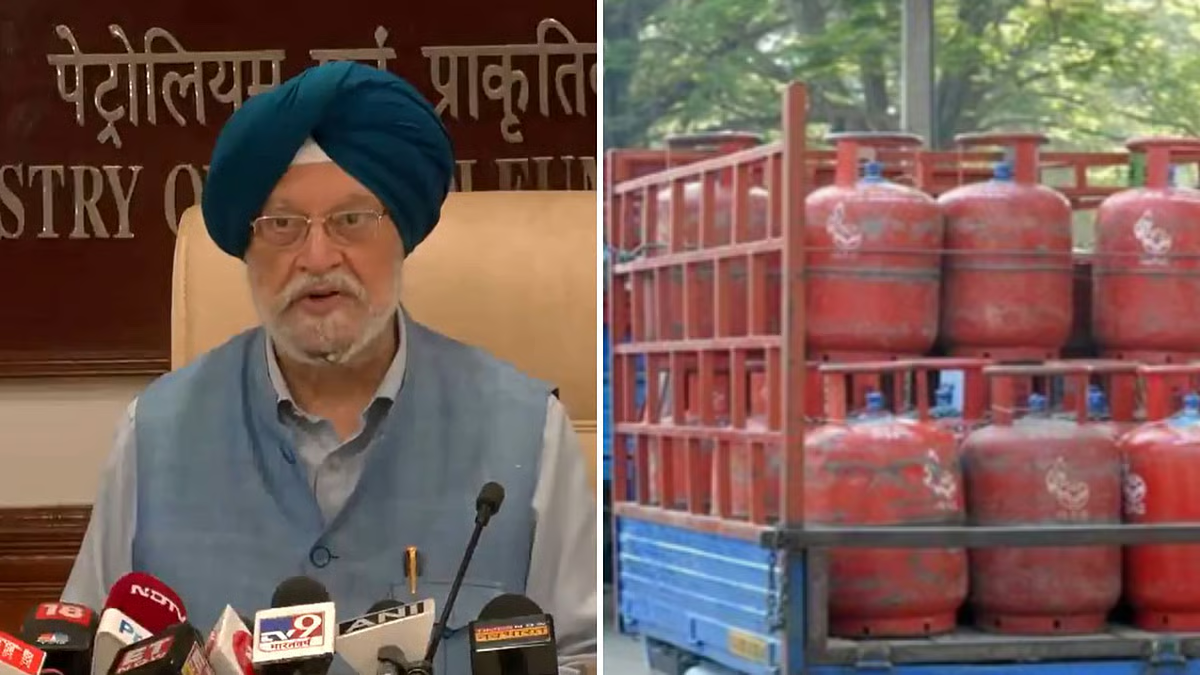
New Delhi - The price of LPG cylinders has seen an increase, with reports indicating hikes of ₹50 to ₹60 per cylinder. This adjustment affects both general consumers and beneficiaries of the PM Ujjwala Yojana, who will now pay approximately ₹853 and ₹550, respectively, for a 14.2 kg cylinder. The government attributes the price rise to fluctuations in international energy markets, stating that global crude prices, while having seen a decline, have been offset by the oil marketing companies' average inventory costs of around $75 per barrel. This is the first such hike in the current financial year.

The move has ignited sharp criticism from the opposition, who accuse the government of compounding the financial strain on households already grappling with inflation. Opposition leaders, including Mallikarjun Kharge, Mamata Banerjee, and D.K. Shivakumar, have decried the price increase, labelling it an "assault on household budgets" and accusing the government of failing to pass on the benefits of earlier global price drops to consumers. They question the government's assertion of adequate stock and highlight that everyday necessities are progressively becoming unaffordable luxuries.
Read More: India Buys Russian Oil Despite Global Pressure on March 7, 2026
Official Justification vs. Opposition's Accusations
Government sources, while acknowledging the price revision, have sought to contextualize it by pointing to the necessity driven by "a spike in international energy prices." They suggest the daily impact on individuals is minimal, estimating it at around 20 paise per person per day. Furthermore, these sources have indicated that an immediate increase in petrol or diesel prices is unlikely. The Union Oil Minister, Hardeep Singh Puri, elaborated that oil marketing companies operate within a deregulated framework and adjust prices based on global rates and existing inventory levels. He also emphasized the government's commitment to clean cooking fuel access through initiatives like the Ujjwala Yojana.
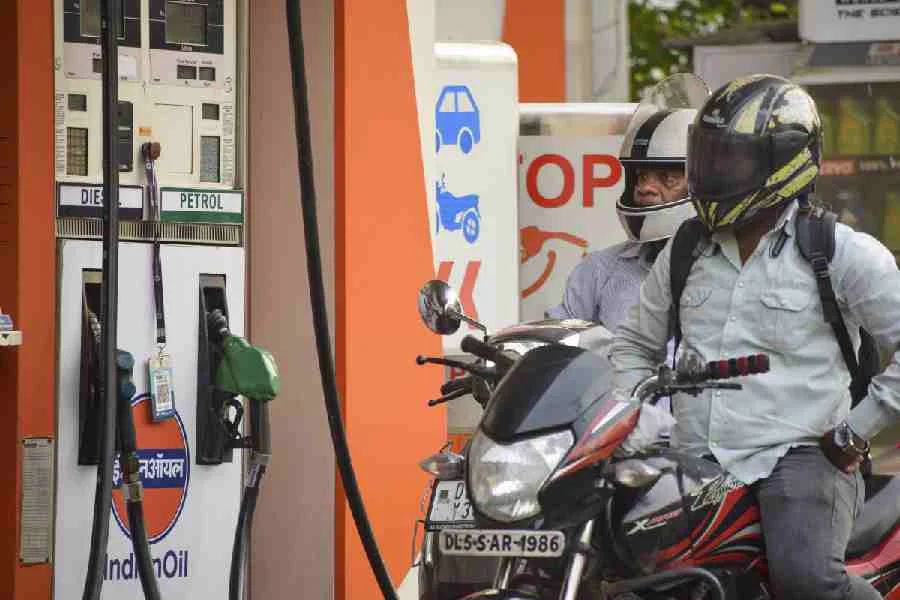
Conversely, opposition parties have dismissed the government's explanations, questioning the "adequate stock" claims and suggesting that the administration is deliberately extracting money from citizens' pockets. They argue that the benefits of decreased global crude prices were never fully transferred to consumers, and the current hike exacerbates existing inflationary pressures. This political debate reflects a broader, long-standing tension in India between government subsidies and free-market principles, with the opposition seeking to capitalize on public discontent over rising costs, particularly in the lead-up to elections.
Read More: India lets Iranian warship dock in Kochi for repairs on humanitarian grounds
Background and Broader Economic Context
The recent LPG price hike follows closely on the heels of an increase in excise duty on petrol and diesel, further fueling the opposition's allegations of a deliberate economic burden on the populace. For a significant portion of India's population, highly vulnerable to price fluctuations, these increases in fuel and cooking gas costs represent a substantial blow to household budgets. The Congress party, in particular, has framed this as a broader failure of the current administration to manage the economy and address the needs of the poor and marginalized. This issue has become a focal point for political maneuvering, with the opposition aiming to highlight perceived government failures and garner public support.