

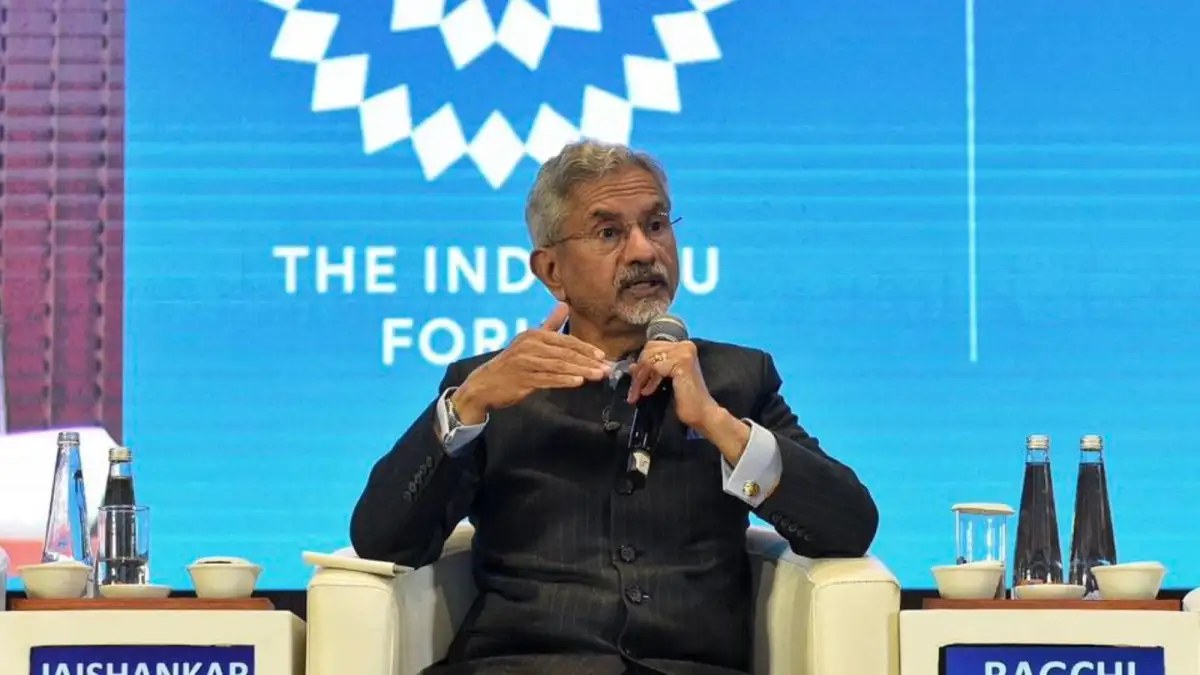
Jaishankar Cites Humanitarian Concerns for Allowing Iranian Warship Docking in Kochi
India permitted an Iranian naval vessel, the IRIS Lavan, to dock in Kochi primarily on humanitarian grounds, according to External Affairs Minister S. Jaishankar. The decision was made after the vessel reported technical issues, with Iran having formally requested docking permission on February 28. India approved the request on March 1, though the ship took several days to reach the port.

Jaishankar’s statements, made during the Raisina Dialogue, followed the recent sinking of another Iranian warship, the IRIS Dena, by a United States submarine in the Indian Ocean off the coast of Sri Lanka. He characterized the docking of the IRIS Lavan as a "humane thing to do" and stressed that the approach was not politically motivated. The vessel had reportedly been in the region for a fleet review when escalating conflict situations occurred.
Read More: US Intelligence: Iran Ground Invasion May Not Change Regime
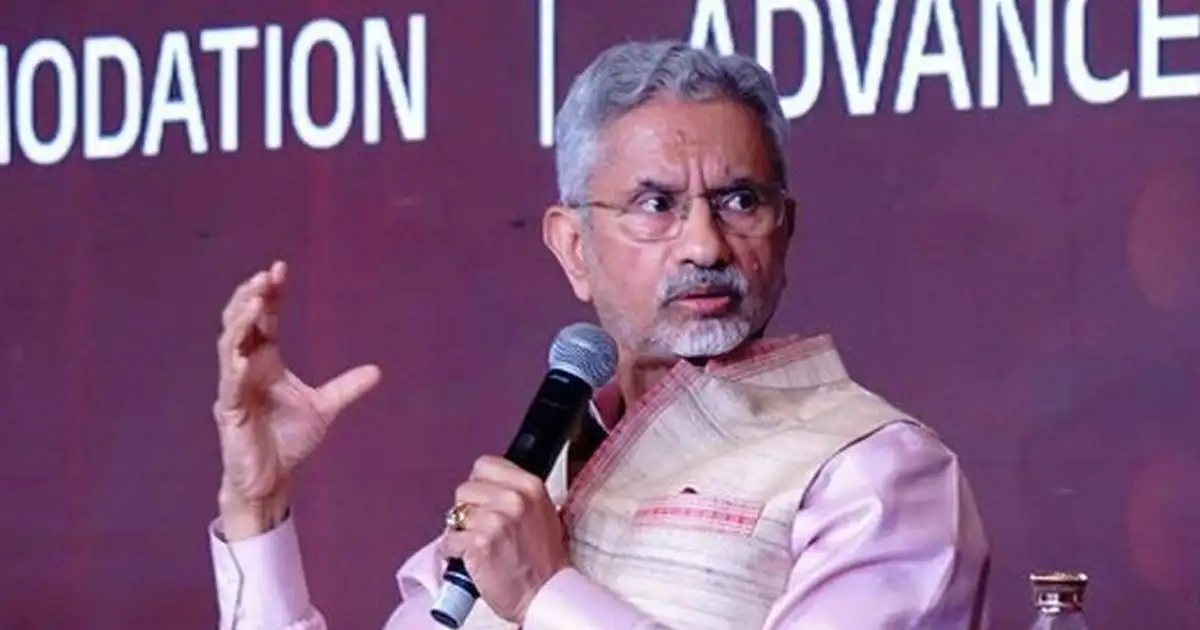
"Reality of the Indian Ocean" Cited Amidst Foreign Military Presence
The External Affairs Minister also referenced the broader geopolitical landscape of the Indian Ocean, describing it as the "reality of the Indian Ocean." He noted the long-standing presence of foreign military bases in the region, such as Diego Garcia, and foreign forces stationed in Djibouti, asserting that these are not new strategic developments.

Jaishankar highlighted India's increasing role as a "net security provider" in the Indian Ocean, while simultaneously acknowledging the existing strategic complexities. He suggested that India's own growth would positively impact other nations in the region.

The IRIS Dena incident, where the Iranian frigate was sunk by a US submarine near Sri Lanka, also drew comment. Sri Lankan authorities reported escorting another Iranian naval ship, the Booshehr, to a harbor on the country's eastern coast. The Sri Lankan Foreign Minister indicated his government's response to the IRIS Dena incident was in line with international law and the UN Convention on the Law of the Sea (UNCLOS).
Read More: Indian women spend 7 hours daily on unpaid chores, men less than 3