

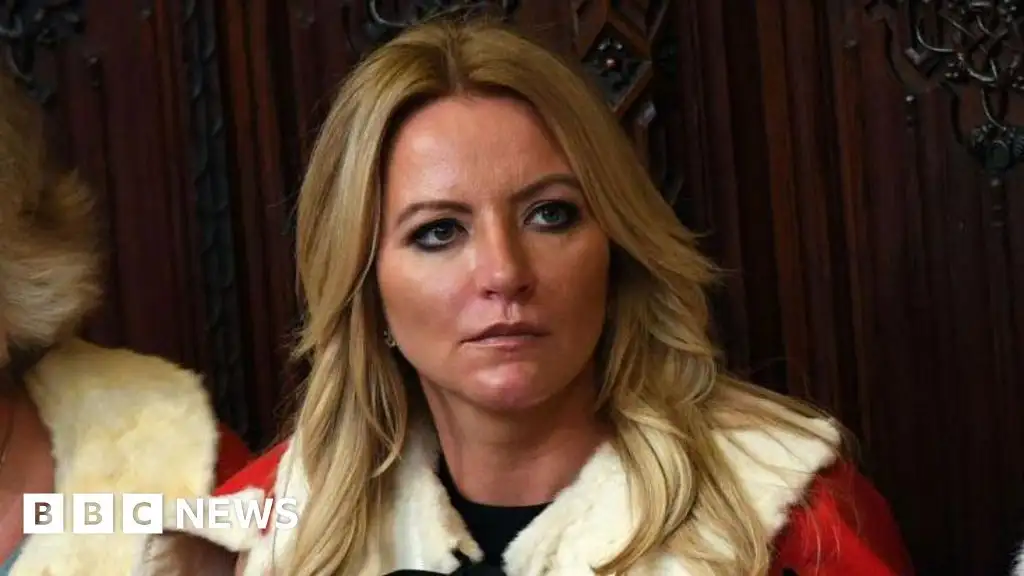
Peter Selwyn Gummer, known as Lord Chadlington, has declared his intention to retire from the House of Lords following an official inquiry that identified five distinct breaches of parliamentary standards. The investigation, led by Lords standards commissioner Martin Jelley, concluded that Gummer leveraged his status to facilitate government contracts for a company in which he held a financial interest during the pandemic.

The inquiry determined that the peer violated rules prohibiting members from profiting from their parliamentary standing.

Breach Summary
| Action | Party Involved | Context |
|---|---|---|
| Introduction | SG Recruitment | Financial interest in parent firm SGH |
| Access | Matt Hancock | Obtained contact info for Lord Deighton |
| Lobbying | Lord Feldman | Direct referral for PPE supply |
The watchdog recommended a 12-month suspension from the upper chamber. By choosing to retire, the 83-year-old peer preempts the enforcement of this sanction.

Structural Irregularities
The investigation surfaced concerns regarding transparency and cooperation. The findings state that Gummer failed to disclose relevant email correspondence to two previous independent investigations, an omission that extended the oversight process. Gummer served as a chair, paid director, and shareholder in the Jersey-registered Sumner Group Holdings (SGH). The company, through its subsidiary SG Recruitment, secured approximately £50 million in government Covid-19 contracts.
Read More: UK Parliament Palace of Westminster £40bn repair plan faces criticism
Contextual Erosion
This development mirrors broader patterns of scrutiny regarding the VIP Lane for PPE procurement, a mechanism established during the emergency response period that allowed private entities with political connections expedited access to public health tenders.
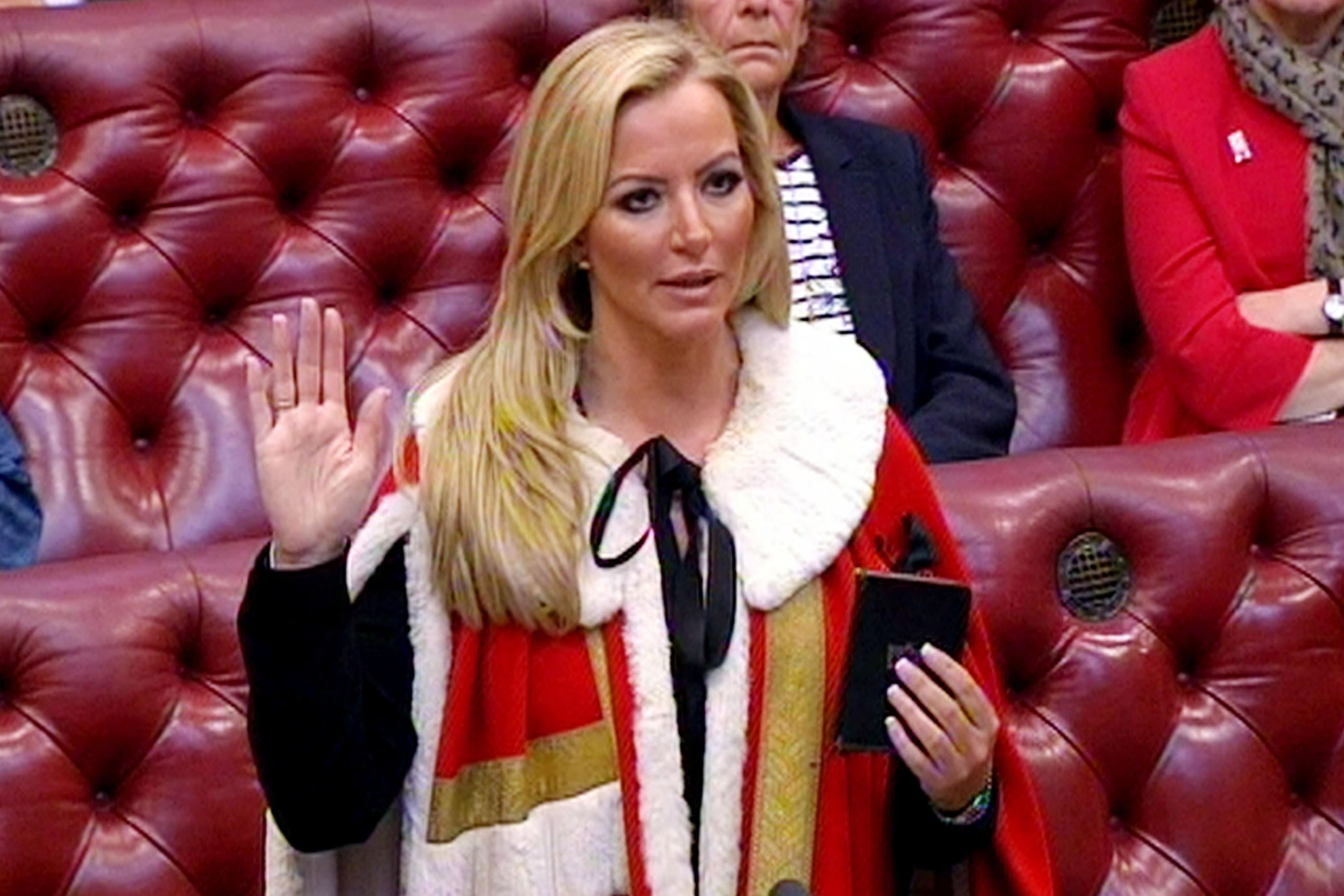
The exit of Gummer adds to a growing catalog of legislative figures implicated in pandemic-era procurement irregularities. Earlier instances, such as the involvement of Baroness Michelle Mone with the firm PPE Medpro, have previously forced the Conservative Party to grapple with the distance between legislative oversight and personal financial gain. These episodes function as fragmented indicators of a system where internal regulatory mechanisms—such as the Lords’ code of conduct—struggle to keep pace with the swift, informal lobbying channels that define crisis-mode governance.
Read More: Wrexham Chelsea FA Cup tie shows global interest and past drama