

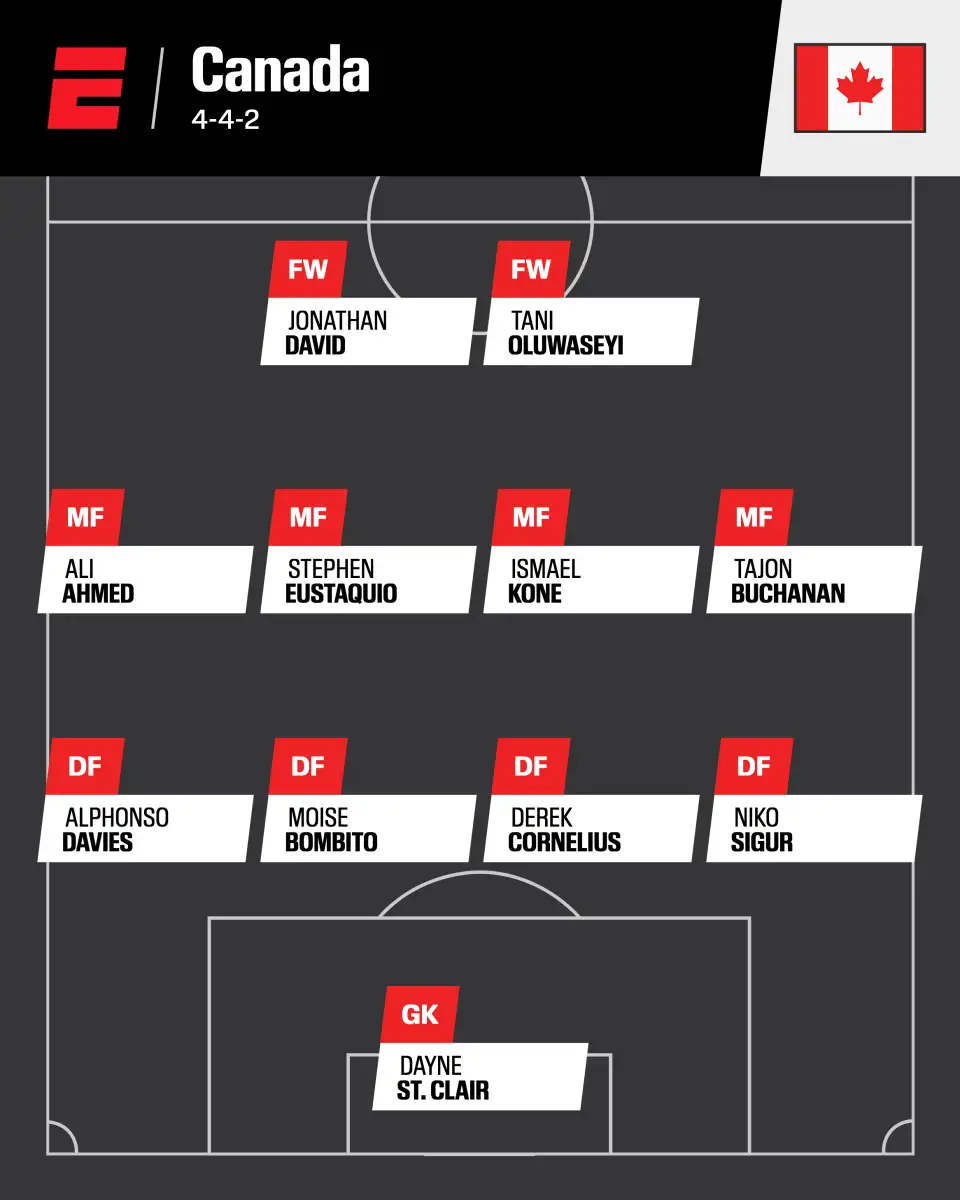
The landscape of international football, ever-shifting and prone to sudden shifts, sees 'speculative lineups' for the 2026 World Cup taking shape, albeit through a lens of conjecture rather than concrete certainty. While official squads remain distant horizons, football analysts are engaged in the intricate, often futile, exercise of 'predicting starting elevens' for footballing giants like England, Spain, France, Argentina, Germany, and Brazil. This ongoing discourse, fueled by 'recent performances' and 'player form', attempts to map out the 'ideal configurations' that could grace the global stage.
The most concrete details emerging, however, focus on the 'projected starting elevens' for teams such as Argentina, Germany, Spain, and Brazil, alongside initial forays into England's potential lineup. These predictions, built on observed tactical preferences and the availability of key personnel, offer a glimpse into potential tactical approaches and player roles.
Read More: WNBA Teams Face Busy April 2026 With Expansion Draft and Free Agency Starting Soon
Argentina's Established Core
For Argentina, a perceived 'familiar structure' seems likely to persist. Reports indicate a probable '4-3-3 formation', with Emiliano Martínez a steadfast presence in goal. The defensive pairing of Cristian Romero and Lisandro Martínez, when fit, is highlighted, flanked by full-backs Nahuel Molina and Nicolás Tagliafico. The midfield trio is expected to feature Rodrigo De Paul, Enzo Fernández, and Alexis Mac Allister, a combination designed to provide 'both control and creativity'. The attacking trident, as expected, prominently features Lionel Messi on the right, supported by Lautaro Martínez as the central striker and Julián Álvarez on the left wing. This lineup suggests a continued reliance on the 'proven architects' of their recent successes.
German Ambitions and Spanish Fluidity
Germany's projected '4-2-3-1' or a 'hybrid 4-3-3' points towards a team seeking a 'blend of experience and emerging talent'. Marc-André ter Stegen is slated to succeed in goal. The defensive unit may see Joshua Kimmich deployed at right-back or a more specialist option, with Antonio Rüdiger a certainty at centre-back. The midfield appears dynamic, with Ilkay Gündoğan-esque figures and the dynamic interplay of Jamal Musiala and Florian Wirtz, suggesting a fluid attacking approach. Upfront, Kai Havertz or a dedicated striker are mentioned, with potential wide threats from Serge Gnabry.
Read More: Barcelona and Bayern Munich Lead European Football in Early 2026 Season
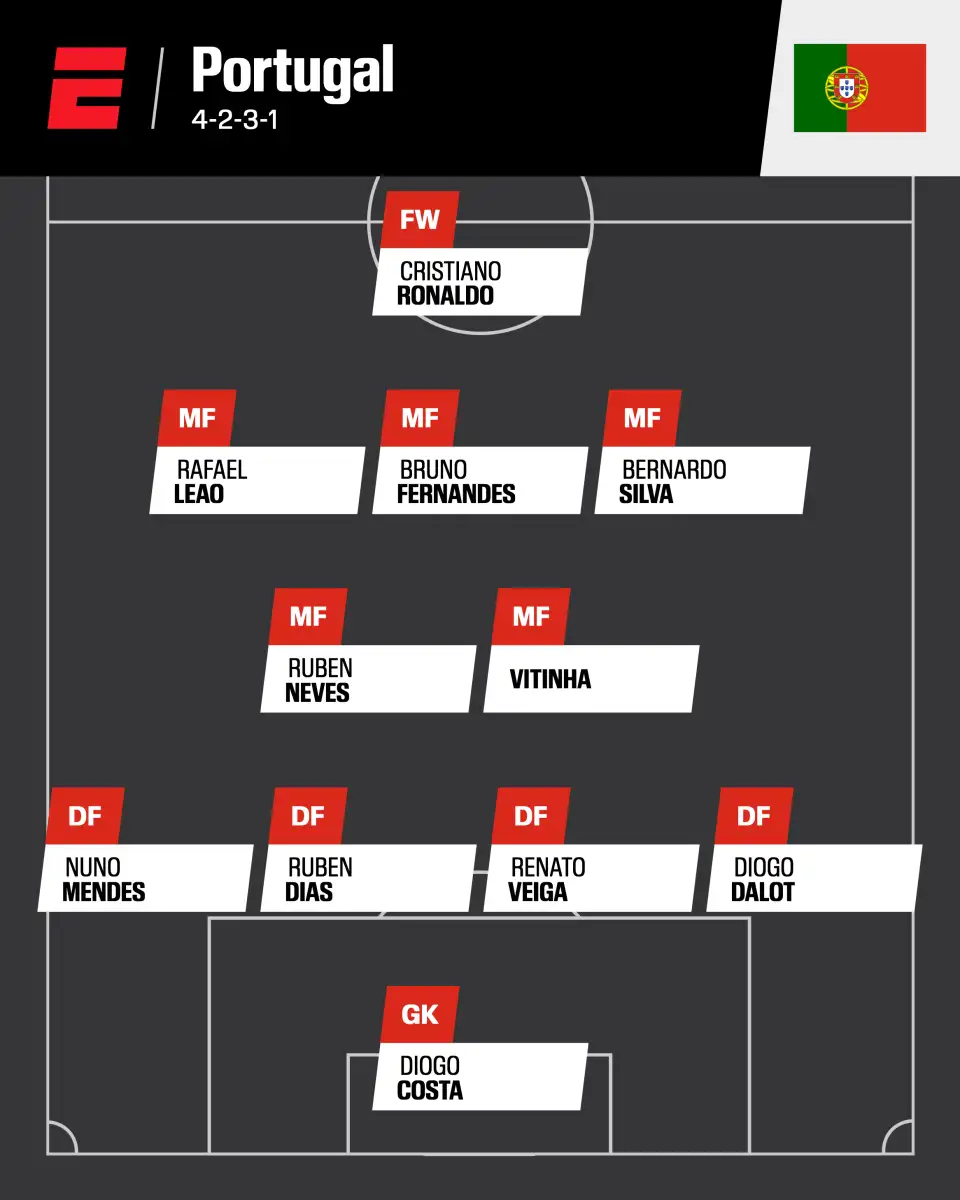
Spain's anticipated '4-3-3' formation emphasizes a 'modern full-back approach' and a strong midfield anchor. Dani Carvajal or a successor, alongside a robust centre-back pairing like Robin Le Normand and Pau Cubarsí or Aymeric Laporte, are foreseen. The midfield's engine room is expected to be marshalled by Rodri, with a role for dynamic players like Gavi or Dani Olmo. The attacking threats are envisioned through the youthful dynamism of Lamine Yamal, the presence of Álvaro Morata or a similar striker, and the pace of Nico Williams.
Read More: Max Holloway, 38, Fights Charles Oliveira for BMF Title at UFC 326
Brazil's Potential Reinforcements and England's Uncertainties
Brazil's tactical blueprint, likely a '4-3-3' or a 'hybrid 4-2-3-1', indicates a defence anchored by the enduring leadership of Alisson and Marquinhos. The midfield anticipates a blend of defensive solidity from Bruno Guimarães and attacking flair from Lucas Paquetá. The forward line is expected to be electric, with Vinícius Júnior on the left and a central striking role that could be filled by Neymar or a promising young talent like Endrick.
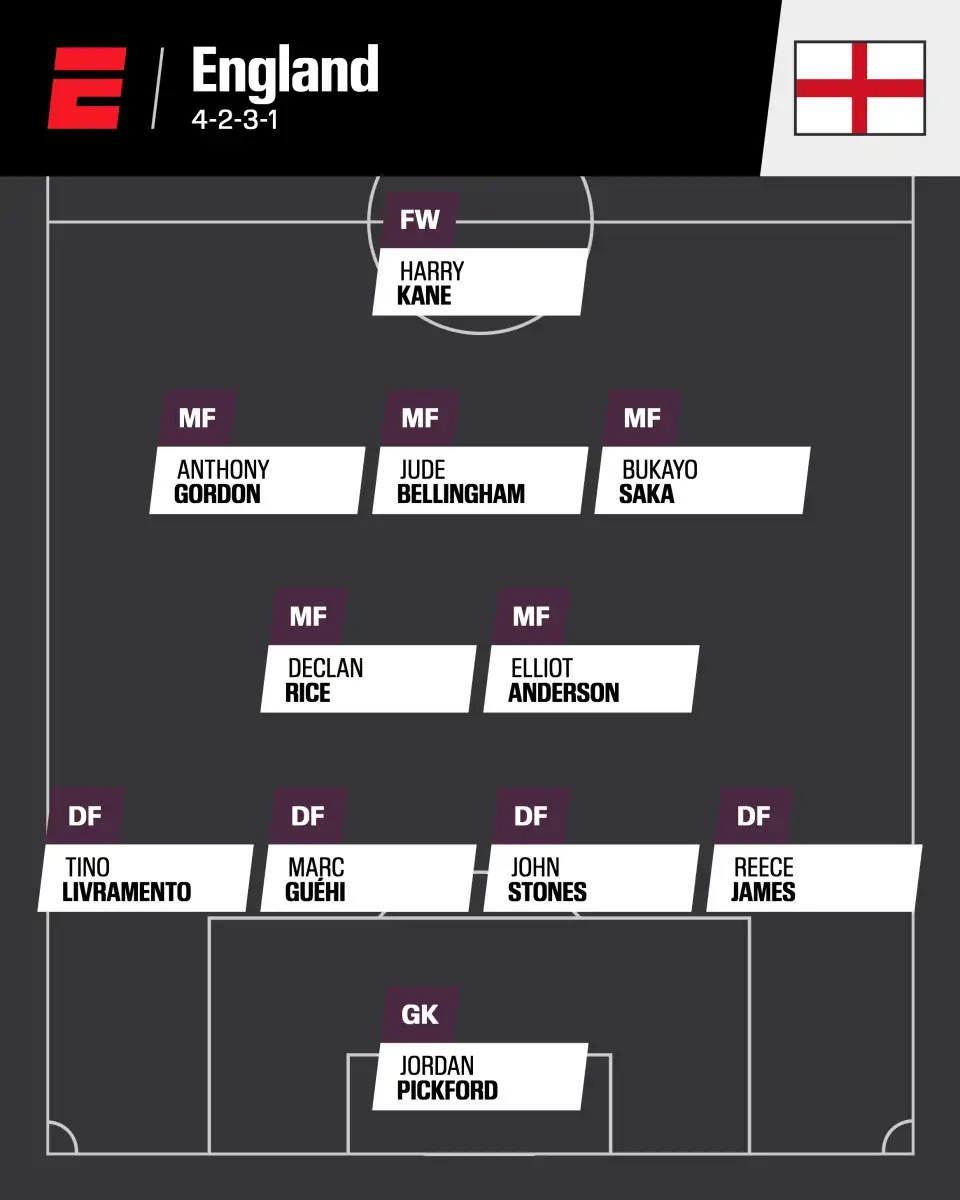
For England, the picture is considerably less defined, with recent squad selections showing 'adaptability and a willingness to experiment'. While specific starting XIs are tentative, predictions touch upon a midfield rich with options, including Declan Rice, Jude Bellingham, Cole Palmer, and others like Elliot Anderson and Adam Wharton. The defence might feature Reece James at right-back, contingent on fitness, and the emergence of players like Jarell Quansah appears to be on the periphery of these early projections. Goalkeeping selections are also presented as an open field, with Jordan Pickford, Dean Henderson, and James Trafford named as potential candidates.
Read More: Manchester United Season Ticket Prices Rise Again for 2025/26, Fans Unhappy
The ongoing publication of these 'predictive analyses', spanning various football outlets, underscores the inherent speculation involved in forecasting World Cup lineups so far in advance. The 'actual composition' of these teams will undoubtedly be shaped by a multitude of factors, including 'player form', 'injuries', and the 'strategic decisions' of team managers in the intervening period.