


London's morning commute was significantly hampered on February 4, 2026, as multiple train lines and the Underground system experienced substantial delays and cancellations. The disruptions, stemming from a train derailment and a signaling fault, impacted a wide array of rail operators and routes across the south-east of England, extending the travel chaos beyond the peak hours.
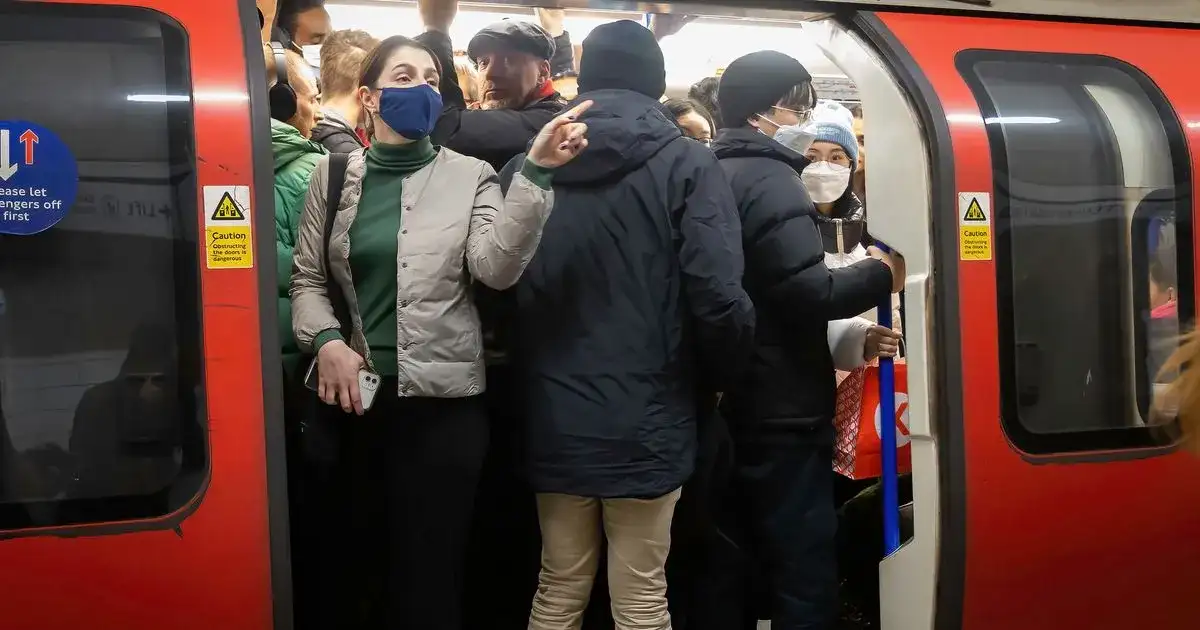
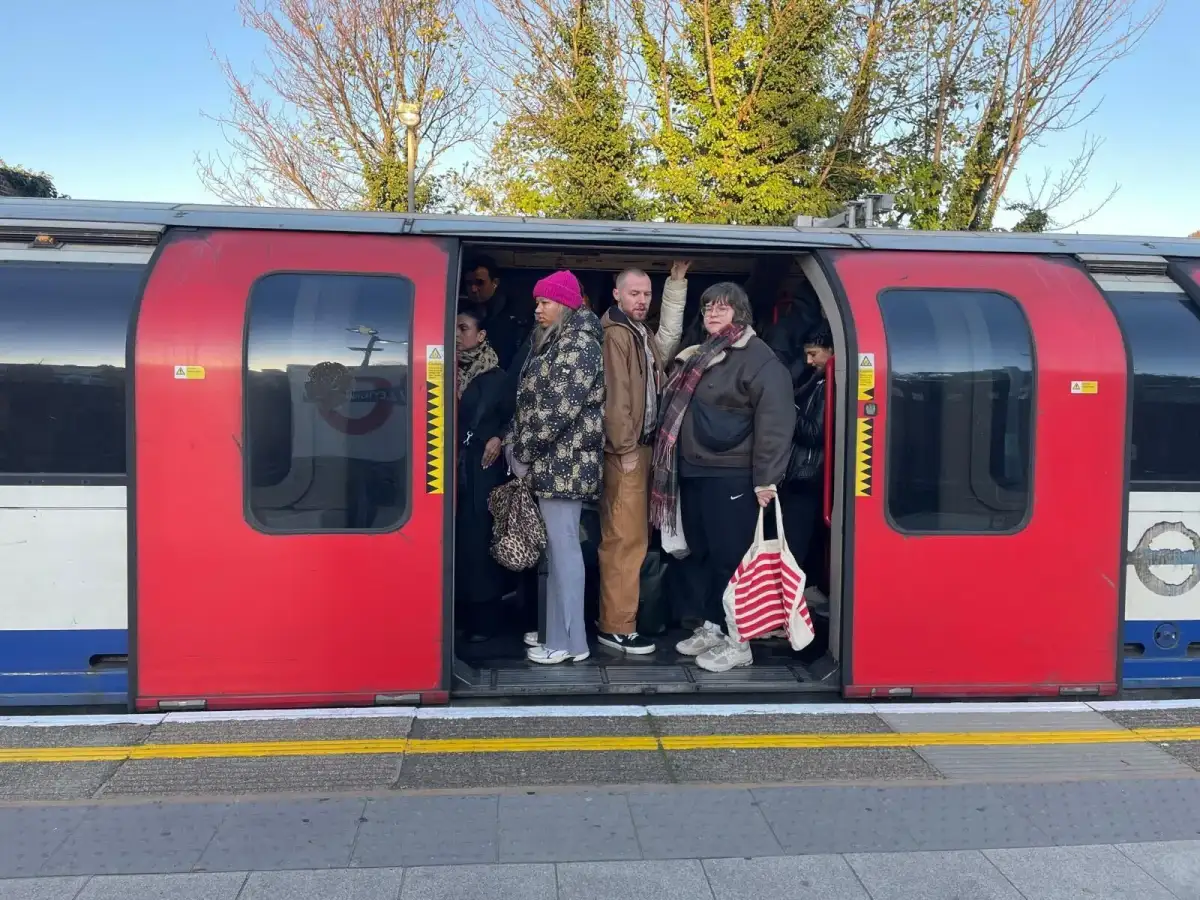
The full extent of the rush-hour pandemonium on February 4, 2026, became evident as reports detailed widespread travel woes across London's rail network. Passengers faced significant hurdles due to a combination of incidents that paralyzed key transport arteries. The timing of these events during the morning commute amplified the inconvenience for thousands of travelers.
Network-Wide Delays Emerge from Incidents
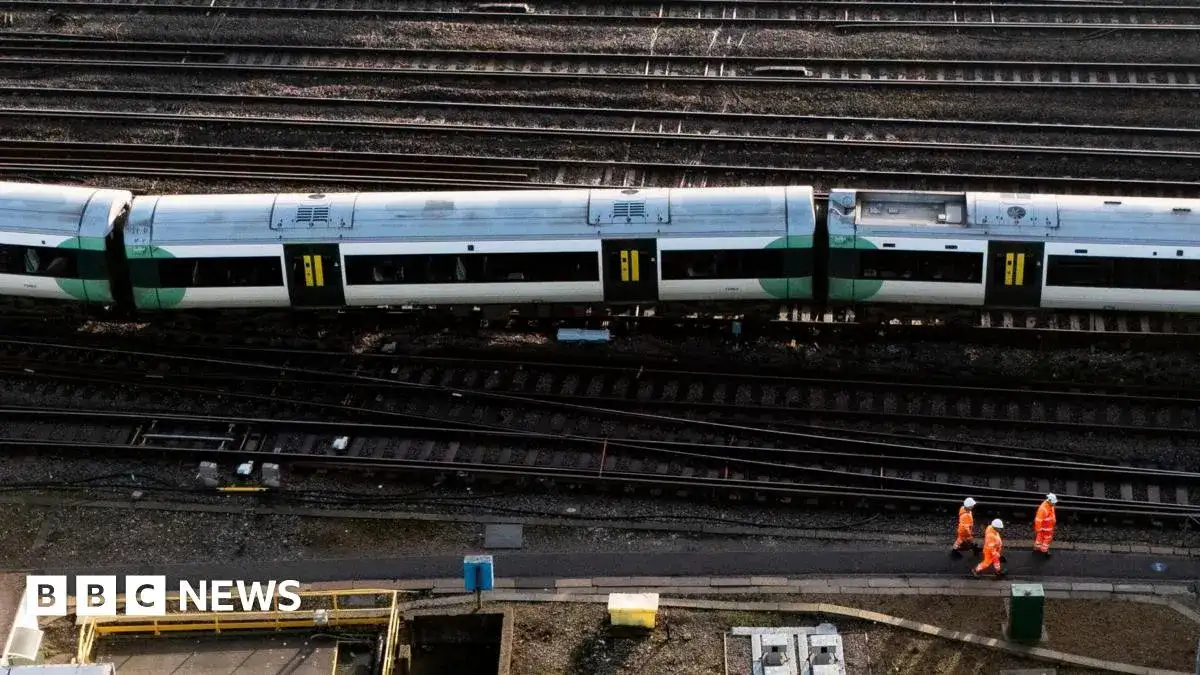
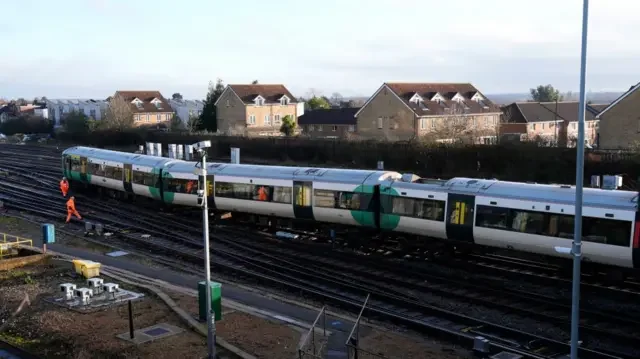
The primary catalysts for the widespread disruption on February 4, 2026, were identified as a train derailment in a depot in Selhurst, south-east London, and a separate signaling fault between London Blackfriars and Norwood Junction. These events, occurring in close proximity, precipitated a cascade of service interruptions.
Read More: Why night trains do not run on Saturdays in London
Southern Train Derailment: A Southern train derailed inside a depot in Selhurst.
Signaling Fault: A signaling issue occurred on the line between London Blackfriars and Norwood Junction.
Impacted Services: The combined incidents severely disrupted services on multiple lines, including Southern, London Overground's Windrush line, Thameslink, and Gatwick Express.
Scope of the Disruption
The impact of the February 4, 2026, incidents was extensive, affecting a significant portion of the south-east England rail network. The "do not travel" notice issued by Govia Thameslink Railway underscored the severity of the situation.
Southern, Thameslink, and Gatwick Express: Govia Thameslink Railway warned of delays and disruptions remaining in place until the end of the day across these routes.
Brighton to Bedford/Cambridge Routes: These busy corridors were reported as severely affected.
London Overground (Windrush Line): Disruption was expected to persist on this line until midday on Thursday, February 5, 2026.
Echoes of Previous Travel Woes
While the February 4, 2026, event stands out for its scale, disruptions on London's transport network are not unprecedented. Earlier reports from December 6, 2024, indicated delays on the District line and severe issues affecting the Piccadilly line, with some sections experiencing closures. Additionally, reports from November 12, 2025, mentioned unexpected line disruptions impacting travel between Waterloo and Clapham Junction. These instances suggest a recurring vulnerability within the capital's transit infrastructure.
| Comparison of Disruption Incidents ||:——————————————————|:———————————————————————————————————————————————————————————————————-|| Date | Nature of Incident || February 4, 2026 | Train derailment (Selhurst), Signaling fault (London Blackfriars - Norwood Junction) || December 6, 2024 | Minor delays (District Line), Severe delays/closures (Piccadilly Line) || November 12, 2025 | Unexpected line disruption (Waterloo - Clapham Junction) |
Read More: Kalaburagi-Bengaluru Vande Bharat Train Carries 5.7 Lakh Passengers in 2 Years
Passenger Recourse and Information
In the wake of such widespread disruption, the potential for passenger compensation was highlighted. Travelers were advised to check specific service websites for information on potential claims.
Thameslink, London Overground, Southern, and Gatwick Express: Customers were directed to check the respective websites for disruption details and compensation eligibility.
Expert Commentary
While specific expert commentary directly addressing the February 4, 2026, event was not detailed in the provided reports, the recurring nature of these disruptions often prompts broader discussions regarding infrastructure investment and operational resilience within urban transit systems. The interconnectedness of rail lines means that isolated incidents can have a disproportionately large impact on the entire network.
Concluding Findings
The events of February 4, 2026, demonstrate a significant vulnerability within London's rail infrastructure. The combination of a derailment and a signaling fault created substantial and prolonged disruption, impacting numerous vital commuter routes. The extended duration of delays, persisting until the end of the day for some services, underscores the severity of the operational challenges faced.
Read More: New rules for Indian vegetable patties and pakoras in London from October
Root Causes: Train derailment and signaling fault.
Affected Lines: Southern, London Overground (Windrush line), Thameslink, Gatwick Express, and indirectly other parts of the network due to cascading effects.
Duration: Disruption expected to last until the end of the day for some services, with specific lines affected longer.
Implications: Highlights the need for robust infrastructure maintenance and contingency planning to mitigate the impact of such events on a critical urban transit system. Further investigation into the specific causes of the derailment and signaling fault would be beneficial to prevent recurrence.
Sources Used:
BBC News: https://www.bbc.co.uk/news/live/c5y2v32j0r3t (Article 4)
MyLondon: https://www.mylondon.news/news/transport/london-rush-hour-live-updates-30525791 (Article 5)
Evening Standard: https://www.standard.co.uk/news/london/piccadilly-line-tfl-delays-b1271162.html (Article 1)


/newsfirstprime/media/media_files/2025/09/20/bmrcl-2025-09-20-14-28-14.jpg)


