

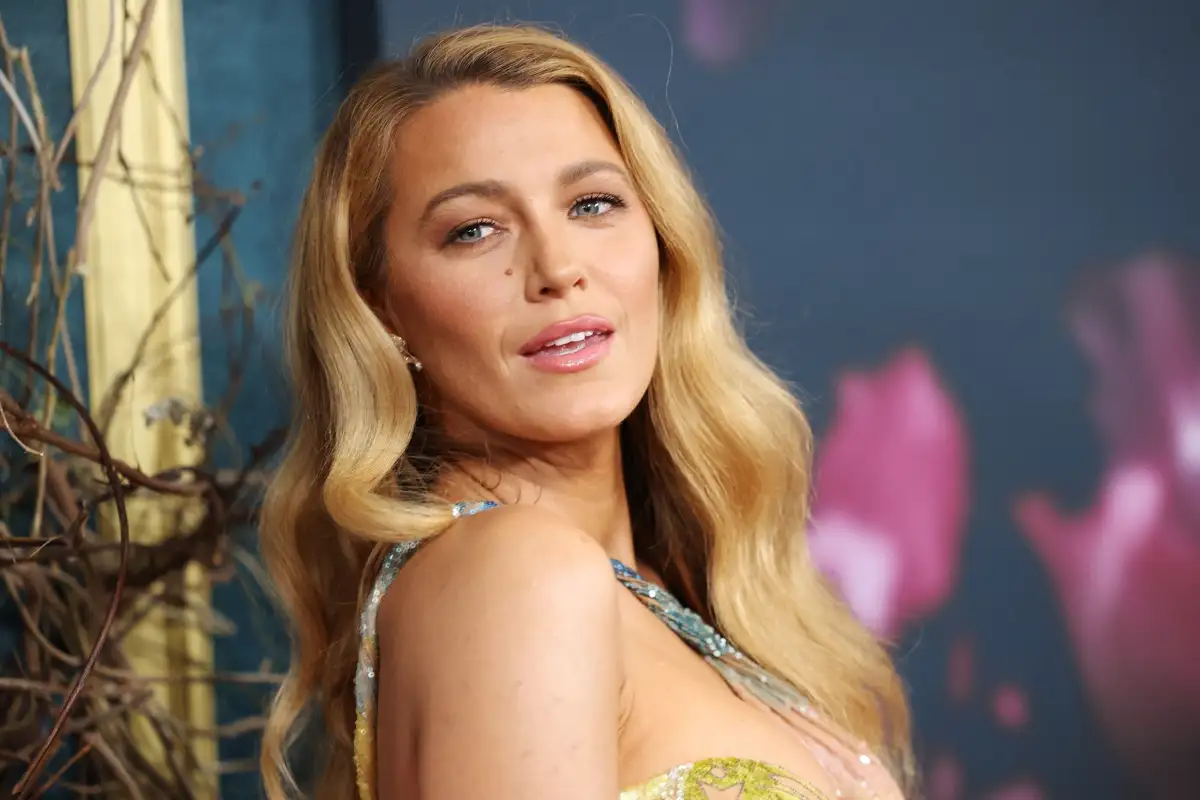
A protracted legal entanglement between Blake Lively and Justin Baldoni, centered around the production of the film 'It Ends With Us', has seemingly reached a conclusion. A settlement was announced this week, bringing an end to nearly two years of courtroom battles and public pronouncements. The agreement, struck just two weeks before a federal trial was set to commence, marks a pause in a dispute that saw accusations of sexual harassment, a hostile work environment, and retaliatory smear campaigns from Lively, countered by allegations of defamation and reputation damage from Baldoni.
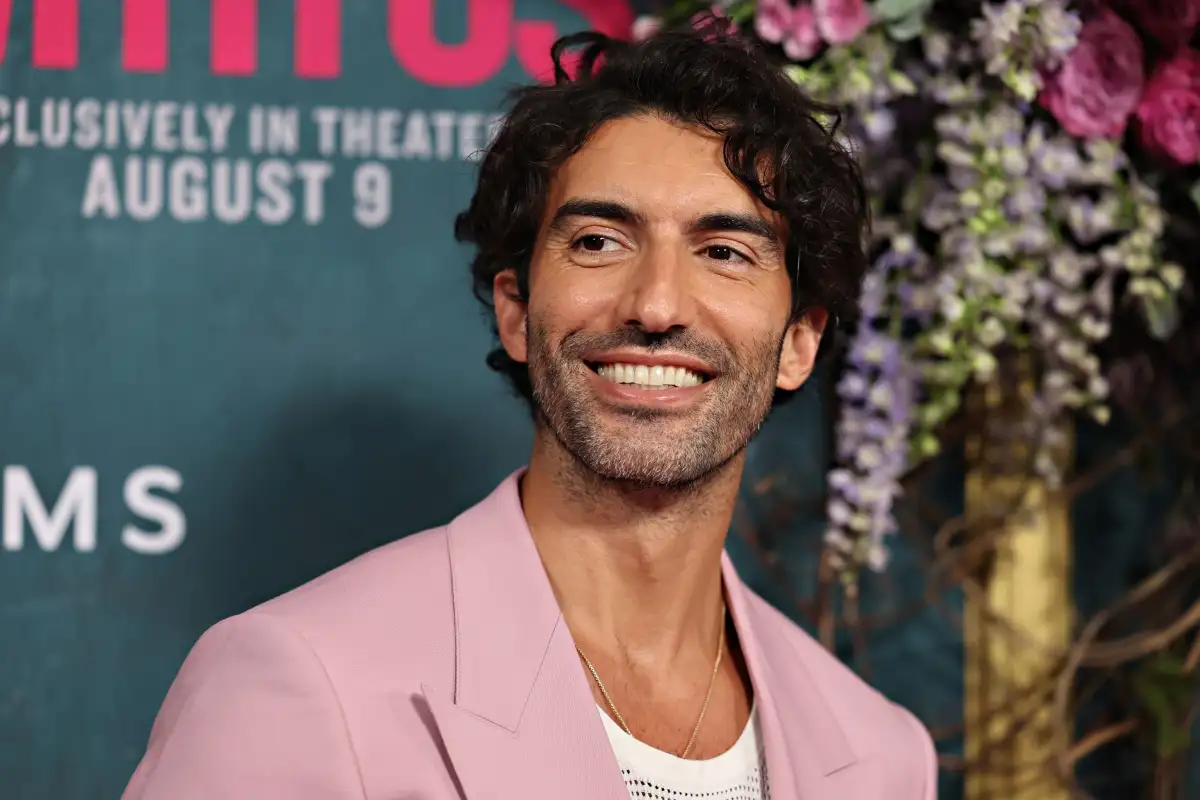
The core of the matter now shifts: while the immediate legal conflict has been resolved, the ramifications, particularly for Lively, are just beginning. Her legal team has indicated an intent to continue pursuing damages against Baldoni and other involved parties under a California statute designed to protect individuals reporting sexual harassment from retaliatory lawsuits. This strategy, leveraging California Civil Code Section 47.1, could expose defendants to significant financial penalties, including treble and punitive damages, and attorney's fees. The settlement, therefore, appears to be less an absolute end and more a strategic repositioning for Lively's side.
Read More: Taylor Swift and Travis Kelce Marry at Madison Square Garden
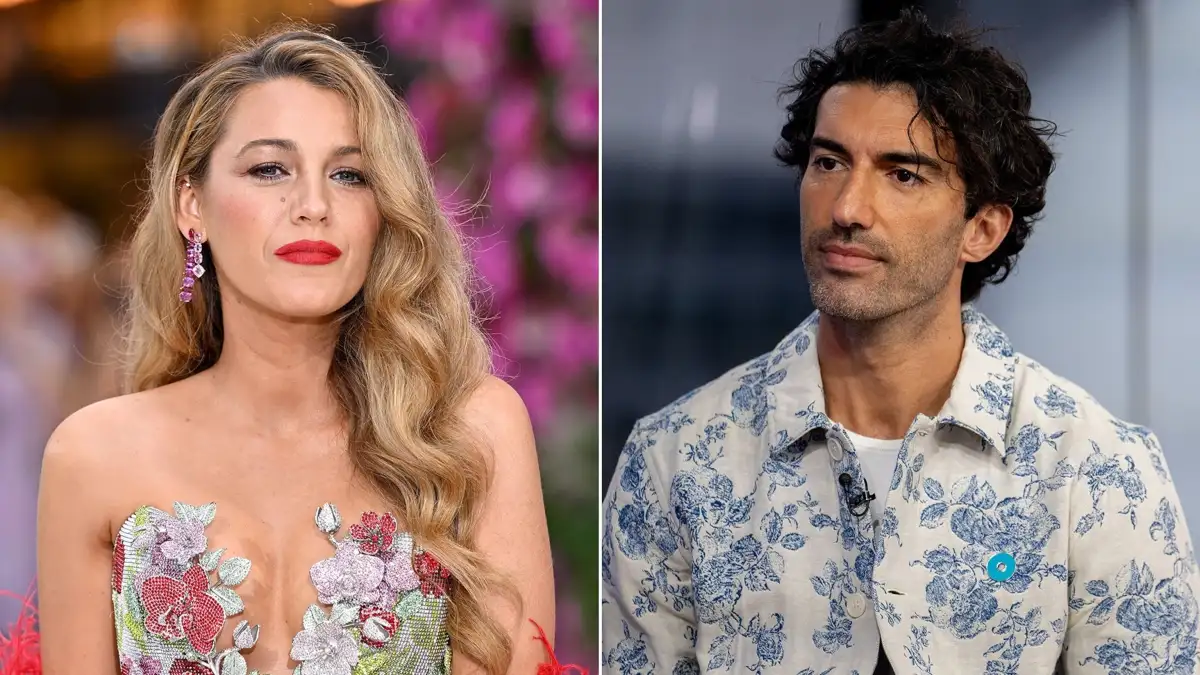
The settlement itself does little to silence public discourse. Unlike typical agreements that might include non-disclosure clauses, this arrangement leaves both Lively and Baldoni legally unencumbered to speak about the case. This lack of a gag order means the narrative battle, which has already played out in court filings and media leaks, could persist. Baldoni, in particular, is now free to articulate his perspective without contractual restraint, a development his lawyer views as essential for clearing his name.
A History of Escalation and Counterclaims
The legal drama ignited after Lively filed a complaint alleging that Baldoni, who directed and starred in 'It Ends With Us', subjected her to inappropriate comments, violated physical boundaries during filming, and pushed for unwanted nudity. Baldoni has consistently denied these accusations, characterizing them as an attempt by Lively to exert creative control over the project. He subsequently filed a defamation suit, asserting that Lively's claims had damaged his reputation.
Read More: Judge Reyes halts East Potomac Golf site work until April 21 2026
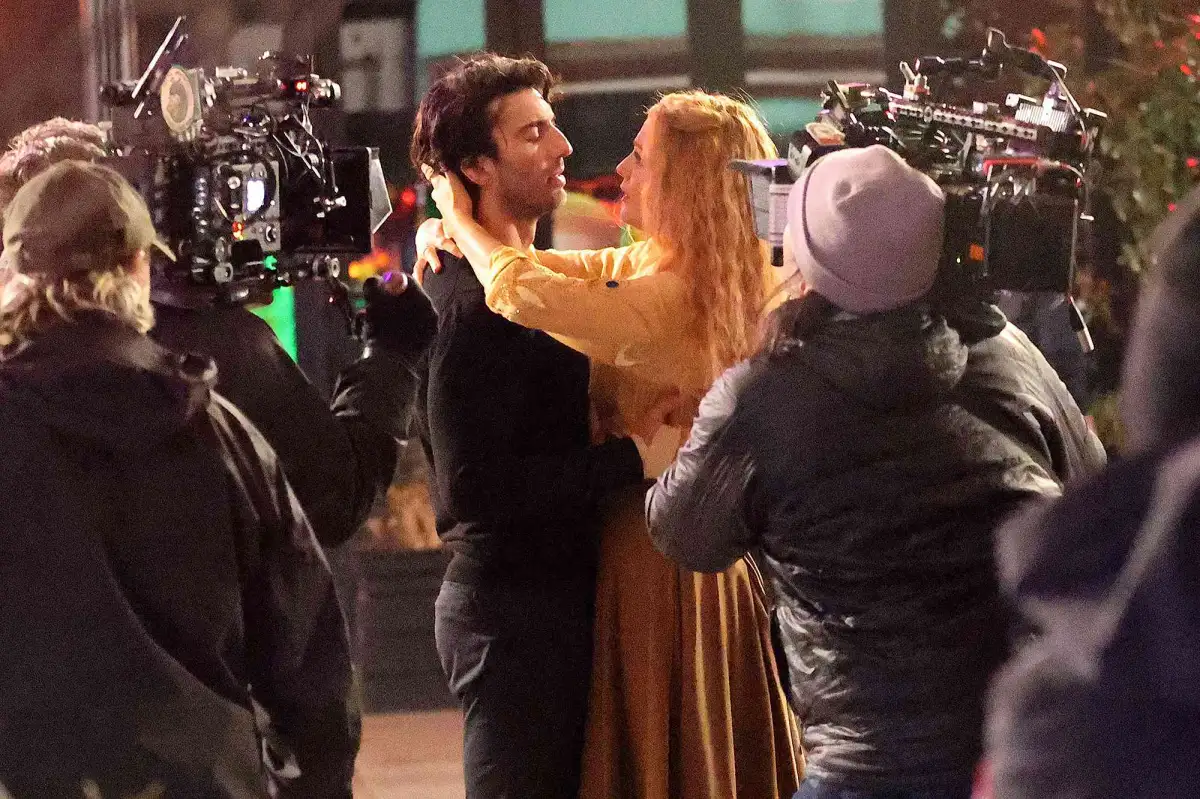
The legal skirmishes extended beyond the initial claims. A previous lawsuit initiated by Baldoni and his production company, Wayfarer Studios, against Lively and her husband, Ryan Reynolds, alleging defamation and extortion, was dismissed by the same judge overseeing the current case. The judge ultimately instructed the clerk to consolidate the various legal actions between Lively and Baldoni into a single case, paving the way for the recent settlement.
The Specter of Public Testimony
Ironically, despite the settlement, there remains a possibility that both Baldoni and Lively might still be required to give testimony. This would not be within the confines of their own resolved dispute but potentially in relation to an unrelated case, namely the 'Abel vs Jones' dust-up, according to some reports.
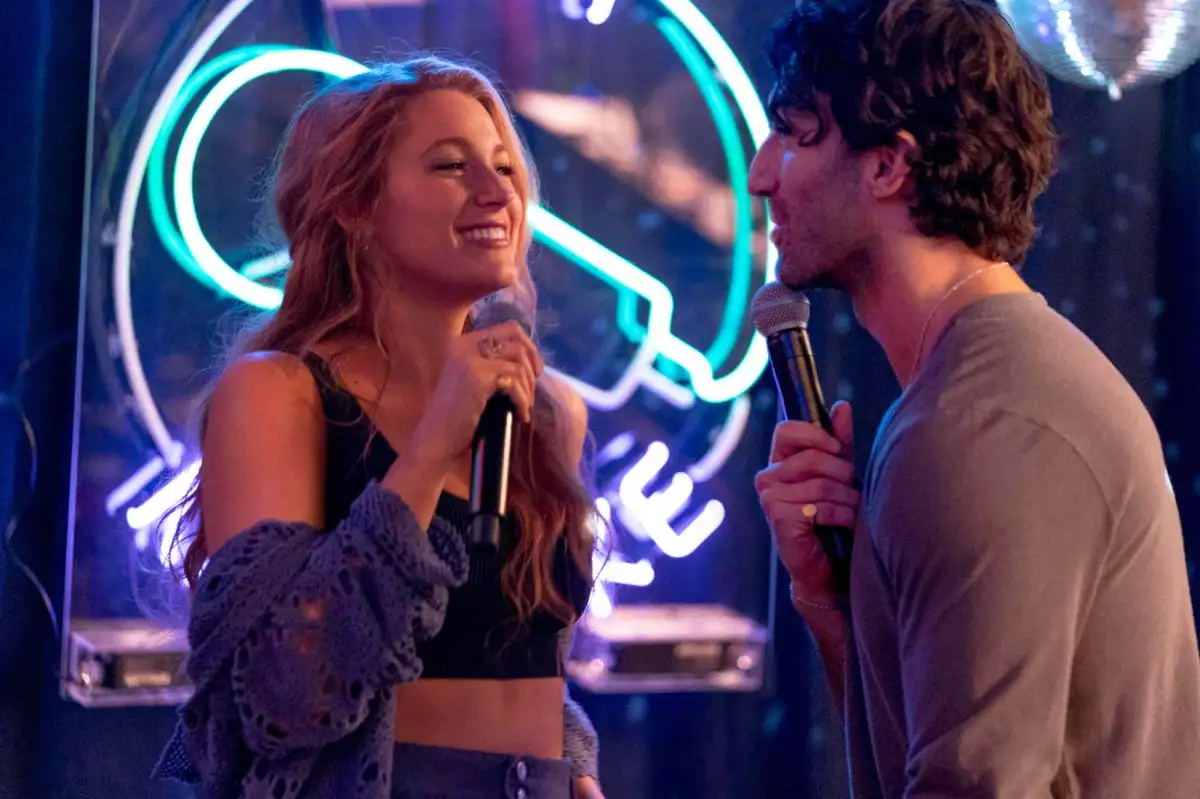
The backdrop to this intense legal feud is the production of 'It Ends With Us', a film that has itself become intertwined with the real-life conflicts surrounding its creation. The resolution, however imperfect, arrived just ahead of a trial that some observers, including legal specialists, deemed "too dangerous" to proceed with, suggesting the potential outcomes may have factored heavily into the decision to settle.
Read More: Junji Ito Live-Action TV Shows Replace Anime on April 7 2026



:max_bytes(150000):strip_icc():focal(799x0:801x2)/nyc-sky-taylor-swift-travis-kelce-wedding-070326-2dc0d912004b400eac2c8c8b5adeff2a.jpg)
