The song "Lift Every Voice and Sing" has emerged as a significant cultural emblem, widely recognized as the Black national anthem. Its journey from a poem to a powerful anthem reflects a deep history of Black struggle, perseverance, and aspiration in America. The song's enduring presence is noted in its recent performance at the Super Bowl and its continued use in various public and cultural spheres, underscoring its role in fostering Black identity and communal expression.
The origins of "Lift Every Voice and Sing" are traced to the late 19th century. Written by James Weldon Johnson, it was originally a poem that articulated the experiences and hopes of Black Americans. His brother, John Rosamond Johnson, a musician trained at the New England Conservatory of Music, set the words to music. The song quickly resonated with Black communities, becoming a staple in their social and cultural lives. Its themes of faith, hope, and the struggle for freedom and equality cemented its place as a symbol of unity and a rallying cry during critical periods, including the civil rights movement.
Read More: Narungga 'Guuranda' play in Chennai shares South Australia stories with India

Historical Context and Creation
"Lift Every Voice and Sing" was created by the Johnson brothers in Jacksonville, Florida. James Weldon Johnson, who was a school principal, penned the poem. The hostile climate following the aftermath of slavery had led many African American communities to establish their own institutions, including schools and musical groups. It was within this context that the song was conceived.
The poem was written to "cultivate a sense of history among his race."
It aimed to foster a sense of national Black identity.
The music, composed by John Rosamond Johnson, used a key (A-flat major) common in spirituals and gospel music, lending it a familiar and resonant quality.
The song's themes offered both acknowledgment of a difficult past and a forward-looking vision of hope and liberty.
Spread and Adoption
The song's influence grew rapidly after its first performance at James Weldon Johnson's high school. Its powerful message and soaring melody of rejoicing, hope, freedom, and overcoming oppression allowed it to spread organically through Black communities in the 20th century.
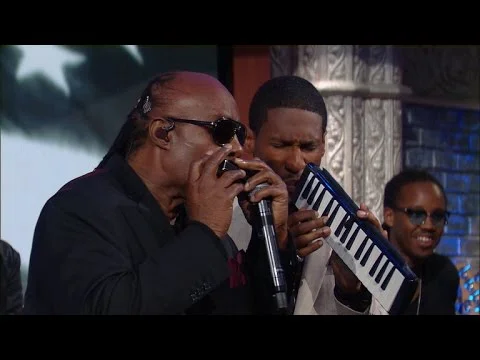
It became a staple of Black social life and a symbol of unity.
The song resonated with Black institutions and communities, gaining widespread recognition.
It has been cited and performed during significant historical moments, such as Joseph Lowery's use during President Barack Obama's inauguration.
Musicians like Jon Batiste have incorporated the song into broadcasts, particularly when featuring Black guests, demonstrating its continued relevance.
Themes and Lyrical Significance
The lyrics of "Lift Every Voice and Sing" are central to its enduring power. They speak to the shared experiences of Black Americans, acknowledging past hardships while looking towards a brighter future.
Read More: Venezuelan Man Charged with Assaulting US Officers in Nebraska on June 18
The song begins by invoking a "song full of the faith that the dark past has taught us" and "the hope that the present has brought us."
It calls for continued struggle with the line, "Let us march on 'til victory is won."
The lyrics also contain a prayerful element, referencing "God of our weary years, God of our silent tears."
A key passage acknowledges the hardships endured: "Stony the road we trod, Bitter the chastening rod, Felt in the days when hope unborn had died; Yet with a steady beat, Have not our weary feet Come to the place for which our fathers sighed?"
The chorus calls for universal resonance: "Lift every voice and sing, ’Til earth and heaven ring, Ring with the harmonies of Liberty."
Contemporary Relevance and Recognition
"Lift Every Voice and Sing" continues to hold a profound and meaningful place in the hearts of many Black Americans. Its designation as the Black national anthem underscores its symbolic importance.
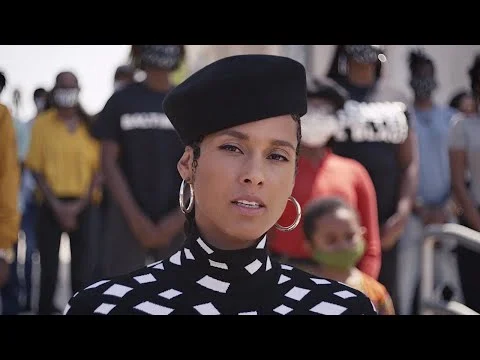
The song has been sung at protests and in various community gatherings, demonstrating its role as a unifying force.
Efforts have been made to give the song a more formal recognition; Jim Clyburn (D-S.C.) sponsored a bill proposing it be designated as a national hymn of the United States.
Performances by artists such as Coco Jones at major events like the Super Bowl highlight its continued visibility and cultural significance.
It is seen as more than just a song; it is considered a statement of Black identity and resilience.
Expert Analysis and Cultural Impact
Scholars and cultural commentators have analyzed the song's profound impact. Its creation is seen as a prefiguration of the Harlem Renaissance, with James Weldon Johnson playing a key role. The song's ability to create high art from African American folk material and foster a collective consciousness has been widely noted. Its enduring capacity to inspire and unite demonstrates its deep roots in the American historical narrative and its ongoing importance for Black communities.
The song "Lift Every Voice and Sing" was penned by James Weldon Johnson and set to music by his brother, John Rosamond Johnson. It emerged from the post-slavery era and quickly became a symbol of Black identity, struggle, and hope, earning the recognition as the Black national anthem.
Read More: Why people call some movies 'perfect' online

Its lyrics articulate a journey through hardship towards freedom and unity, resonating deeply within African American communities and serving as a rallying cry during the civil rights movement and beyond.
Contemporary performances and legislative proposals underscore its continued cultural and symbolic significance in the United States.
Sources
CBS News: All about "Lift Every Voice and Sing," the Black national anthem sung by Coco Jones at the 2026 Super Bowl.
https://www.cbsnews.com/news/black-national-anthem-lift-every-voice-and-sing/
Context: A news report discussing the song's performance at the Super Bowl and its general identity as the Black national anthem.
YourClassical: History of the Black national anthem, ‘Lift Every Voice and Sing’.
https://www.yourclassical.org/story/2025/02/04/history-of-black-national-anthem
Context: An article detailing the historical background of the song, including legislative efforts related to its designation.
CNN: Behind the lyrics of ‘Lift Every Voice and Sing’.
https://www.cnn.com/interactive/2020/09/us/lift-every-voice-and-sing-trnd/
Context: An interactive piece exploring the lyrics and their resonance within Black communities.
TIME: A History of the 'Black National Anthem'.
Context: A historical overview of the song, its creation, and its influence over time.
Britannica: Lift Every Voice and Sing | Lyrics, Black American National Anthem, & James Weldon Johnson.
https://www.britannica.com/topic/Lift-Every-Voice-and-Sing-song-by-Johnson
Context: An encyclopedic entry providing details on the song's lyrics, its authors, and its cultural role, linking it to the Harlem Renaissance.
Classic FM: What are the lyrics to ‘Lift Every Voice and Sing’, and what is the song’s history?
https://www.classicfm.com/discover-music/lift-every-voice-and-sing-lyrics-history/
Context: An article providing the song's lyrics and a summary of its historical background and meaning.
WRTI: The Story Behind "Lift Every Voice and Sing," the Song that Became the Black National Anthem.
https://www.wrti.org/arts-desk/2022-01-11/the-story-behind-lift-every-voice-and-sing-the-song-that-became-the-black-national-anthem
Context: An article detailing the song's creation, its lyrics, and its spread through Black communities.
Essence: The Black National Anthem Was Created On This Day. Here's What You Probably Didn't Know About It.
https://www.essence.com/culture/story-behind-black-national-anthem/
Context: An article focusing on the historical context of the song's creation and its significance during the civil rights era.
NAACP: Lift Every Voice and Sing.
https://naacp.org/find-resources/history-explained/lift-every-voice-and-sing
Context: Information from the NAACP on the history and importance of the song.