Tension Over Cultural Representation Escalates
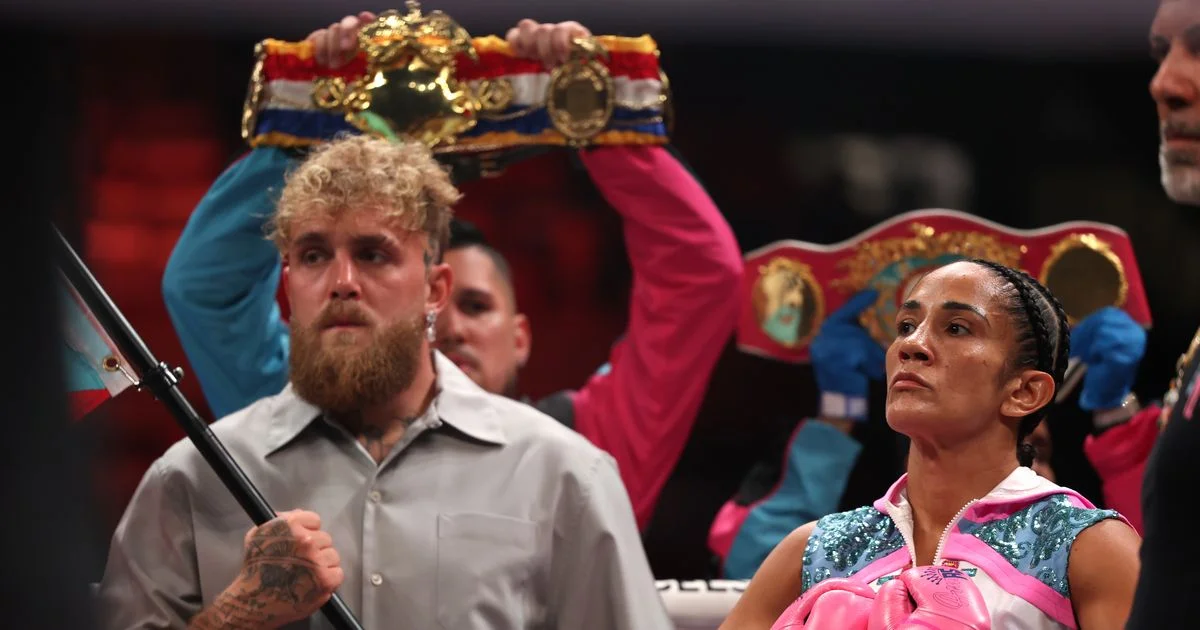
A recent public exchange between boxer Amanda Serrano and her promoter, Jake Paul, highlights significant tensions surrounding national identity and cultural expression. Paul's remarks, specifically questioning the "American-ness" of Puerto Rican artist Bad Bunny, have prompted a strong response from Serrano, a prominent Puerto Rican athlete. This disagreement has broadened into a discussion about cultural inclusion and the nature of citizenship, particularly affecting individuals from U.S. territories like Puerto Rico. The situation has drawn attention due to Paul's business ties to Puerto Rico and his promotion of several Puerto Rican fighters, including Serrano herself.
Background of the Dispute
The core of the conflict stems from comments made by Jake Paul prior to the Super Bowl halftime show. Paul, co-founder of Most Valuable Promotions (MVP), publicly stated that Bad Bunny, an American citizen, was a "fake American citizen performing who publicly hates America." He urged viewers to boycott the performance. This statement was made in the context of Bad Bunny's artistic expressions, which have sometimes included critiques of U.S. policies, such as immigration. Paul's company, MVP, has a notable roster of Puerto Rican athletes.
Read More: 2026 March Madness Round 2: Where to Watch Games on CBS, TBS, truTV, and Streaming
Jake Paul's Stance: Paul, who resides in Puerto Rico and bases his business operations there, expressed his view that Bad Bunny's public persona and potential political stances demonstrated a lack of genuine American affiliation. He did not provide specific examples of Bad Bunny "hating America."
Amanda Serrano's Rebuttal: Serrano, a celebrated boxer and a self-identified "Proud Boricua" (Puerto Rican), publicly pushed back against Paul's comments. She asserted her own Puerto Rican identity and stated that she would never change, emphasizing pride in her heritage. Serrano's response underscored that her cultural identity is not a disqualifier for her achievements or her right to represent Puerto Rico.
Bad Bunny's Position: Bad Bunny, whose real name is Benito Antonio Martínez Ocasio, is an American citizen. His artistic work and public statements have, at times, been critical of U.S. government policies. His participation in the Super Bowl halftime show, and the subsequent commentary, ignited a wider debate.
Evidence of the Exchange
Multiple reports document the interaction between Serrano and Paul. The core of their disagreement can be distilled from their public statements:
Jake Paul's Statement: "A fake American citizen performing who publicly hates America. I cannot support that." (Reported by Boxingscene.com, BoxingNews24.com)
Amanda Serrano's Statement: "I will never change and will forever be a Proud Boricua." (Reported by Irish Mirror) and "I will always stand with my people, with respect for who we are, and with pride in where we come from." (Reported by Irish Mirror)
Broader Commentary: Commentators have pointed out that citizenship is typically determined by legal status, not by cultural expression or language. (Reported by USAHousingInformation.com)
The Nuance of Identity and Citizenship
The disagreement raises complex questions about what constitutes national identity and how it is perceived, especially for individuals from U.S. territories.
Cultural Expression vs. Legal Status
Paul's comments appear to link national allegiance to specific forms of cultural expression and a perceived alignment with national sentiments. He implied that Bad Bunny's actions demonstrated a rejection of America.
Paul's Perspective: His framing suggests that visible displays of dissent or strong adherence to a distinct cultural identity, particularly one associated with a U.S. territory, could be interpreted as a lack of genuine American patriotism.
Counterarguments: Many observers argue that American citizenship, particularly for those born in U.S. territories, does not require the relinquishment of distinct cultural heritage. Citizenship is a legal status, and individuals retain the right to express their cultural backgrounds and hold differing political views.
The Impact on Puerto Rican Athletes
The controversy has direct implications for Puerto Rican athletes and their relationship with promoters who operate within the island's boxing community.
Serrano's Position: Serrano has leveraged her Puerto Rican identity to connect with fans and build her career. Her strong stance suggests that questioning the identity of fellow Puerto Ricans is unacceptable.
Paul's Business Ties: Paul's residency and promotional activities in Puerto Rico create a situation where his comments on cultural identity could potentially alienate the very community he seeks to engage with. The trust of the local population is often critical for staging major events.
Public Reaction and Wider Debate
The exchange has triggered a broader discussion about cultural inclusion and identity politics.
Supporters of Serrano: Many have rallied behind Serrano, seeing her response as a defense of Puerto Rican pride and a rejection of divisive rhetoric.
Commentary on Citizenship: The debate has seen commentators highlight that citizenship does not mandate cultural assimilation or silence on political matters.
Expert Insights
While no direct expert commentary on this specific exchange was provided in the source material, the situation invokes broader discussions on identity. The legal definition of American citizenship for residents of U.S. territories is a well-established concept. Discussions around cultural identity often highlight the diverse ways individuals express their belonging to both a national entity and a distinct cultural group.
Read More: Narungga 'Guuranda' play in Chennai shares South Australia stories with India
Conclusion and Implications
Jake Paul's public statements regarding Bad Bunny's "American-ness" have created a significant rift with Amanda Serrano, a prominent athlete he promotes. Serrano's strong rebuke underscores a commitment to her Puerto Rican identity and a rejection of the notion that cultural distinctiveness negates national belonging.
Key Findings:
Jake Paul questioned Bad Bunny's American identity, citing perceived "hatred of America."
Amanda Serrano defended Bad Bunny and asserted her own "Proud Boricua" identity.
The incident has sparked a debate about cultural expression, citizenship, and identity politics, particularly concerning Puerto Rico.
Implications:
Paul's position may create challenges for his business and relationships within the Puerto Rican community.
The exchange highlights the importance of cultural sensitivity in public discourse, especially for figures with significant influence.
The situation reinforces the understanding that American citizenship encompasses a wide spectrum of cultural backgrounds and viewpoints.
The ongoing nature of this disagreement, particularly its effect on Paul's standing in Puerto Rico, warrants continued observation.
Sources Used
Boxingscene.com: https://www.boxingscene.com/articles/amanda-serrano-pushes-back-on-jake-pauls-fake-americans-comment
Context: A boxing news outlet reporting on the dispute, focusing on Serrano's pushback against Paul's specific comments.
Irish Mirror: https://www.irishmirror.ie/sport/other-sport/boxing/amanda-serrano-jake-paul-superbowl-36691092
Context: A general news publication covering sports, detailing Serrano's reaction to Paul's Super Bowl rant and her declaration of being a "Proud Boricua."
BoxingNews24.com: https://www.boxingnews24.com/2026/02/jake-paul-remarks-trigger-serrano-rebuke-puerto-rico-tension/
Context: A boxing news website that reported on the controversy, noting the tension it creates for Paul's standing in Puerto Rico.
USAHousingInformation.com: https://usahousinginformation.com/amanda-serrano-jake-paul-feud/
Context: A website that covered the story, framing it as a feud and a national debate, emphasizing Serrano's intervention and the broader implications for cultural inclusion.