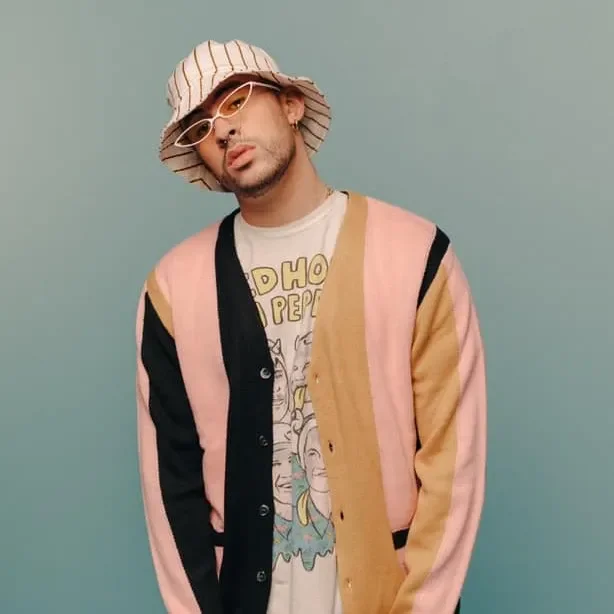
This report examines the lyrical content and thematic elements present in the music of Bad Bunny, a prominent figure in contemporary Latin urban music. Analysis focuses on how his songs reflect Puerto Rican culture, address social and political issues, and promote self-identity and empowerment. The findings suggest that Bad Bunny's music serves as a vehicle for cultural expression and a platform for socio-political discourse, resonating with a global audience through relatable themes.
Context: A Voice for a Generation
Bad Bunny, born Benito Antonio Martínez Ocasio, has emerged as a global music sensation. His work transcends mere entertainment, often embedding narratives that touch upon his Puerto Rican heritage, the island's political and social realities, and broader themes of identity, love, and empowerment. This analysis draws from various lyrical compilations and commentary to understand the deeper meanings within his discography.
Read More: Mýa's New Album 'Retrospect' Mixes Old Funk With New Sounds
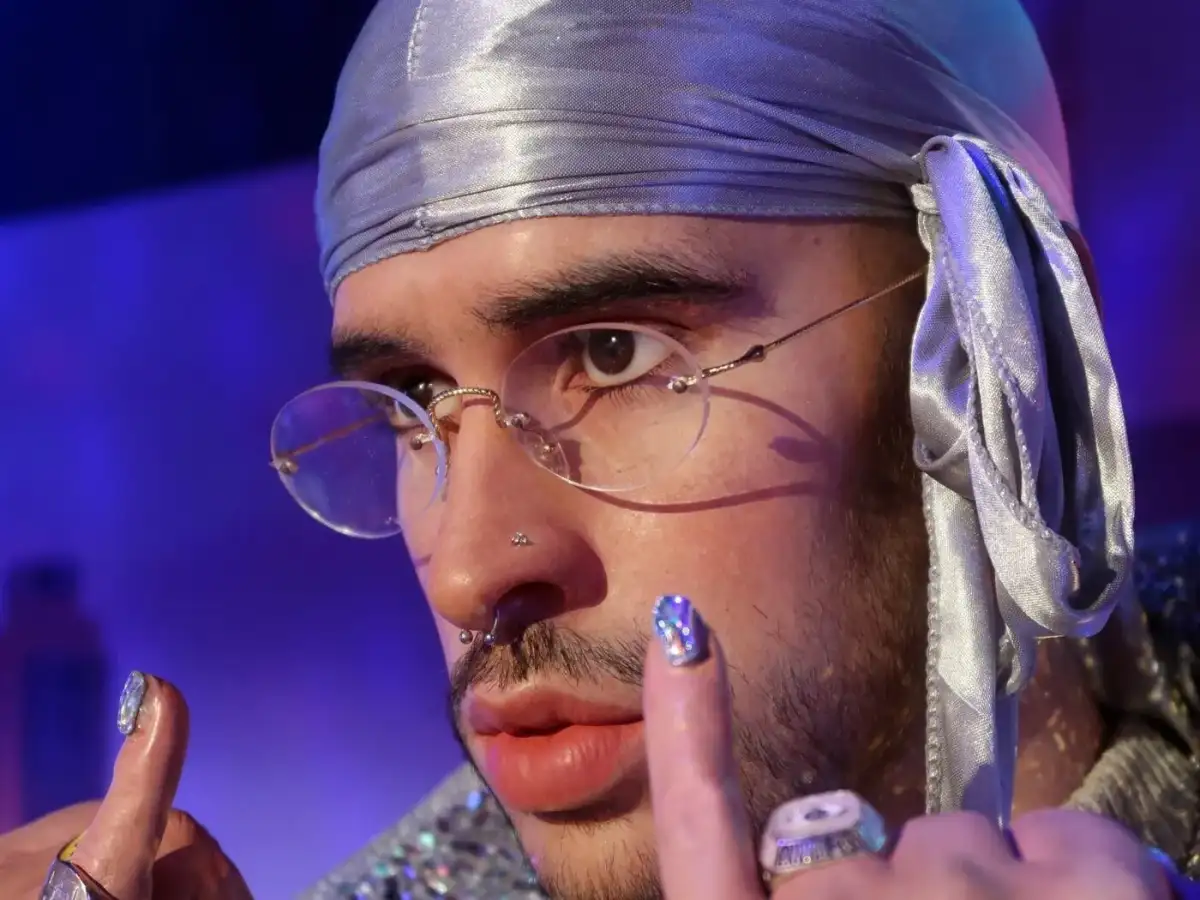
Early Lyrical Themes: From his initial releases, Bad Bunny began to incorporate critiques of societal issues directly into his music.
Socio-Political Commentary: Themes of gentrification, the privatization of Puerto Rico, resident displacement, and recurring power outages are recurring motifs.
Cultural Representation: His work often references specific Puerto Rican cultural elements, places, and historical figures, serving to educate and celebrate his heritage.
Global Reach: Despite the specific cultural context, his music achieves broad appeal, connecting with a diverse audience.
Evidence of Lyrical Depth
Analysis of Bad Bunny's song lyrics reveals a consistent pattern of incorporating culturally specific and socially relevant content.
Article 2: Details how Bad Bunny's music directly addresses issues like gentrification, privatization, displacement, and power outages affecting Puerto Rico. It highlights how his choice to perform at sporting events was seen as a calculated move to reivindicate the 65 million Latinos in the United States during a critical time for immigrant communities.
Article 4: Explains specific lyrical references. "Pitorro de coco" is identified as a traditional holiday alcoholic beverage. The mention of Eugenio María de Hostos signifies a figure tied to Puerto Rico's independence and justice struggles. References to iconic Old San Juan streets like Calle Sol and Calle Luna evoke the island's history and culture. The song "Candy B" is named after an emblematic Puerto Rican racehorse. "Lo que pasó a Hawái" is framed as a protest against threats to Puerto Rico's identity and resources. "Teléfono nuevo" expresses melancholy for past times.
Article 3: Provides an extensive list of Bad Bunny's songs, many of which have translations, indicating a global interest in understanding his lyrical content. The album titles and years of release show a consistent output.
Cultural Touchstones and Identity
Bad Bunny frequently employs specific cultural references that resonate deeply within the Puerto Rican diaspora and contribute to a broader understanding of Latin identity.
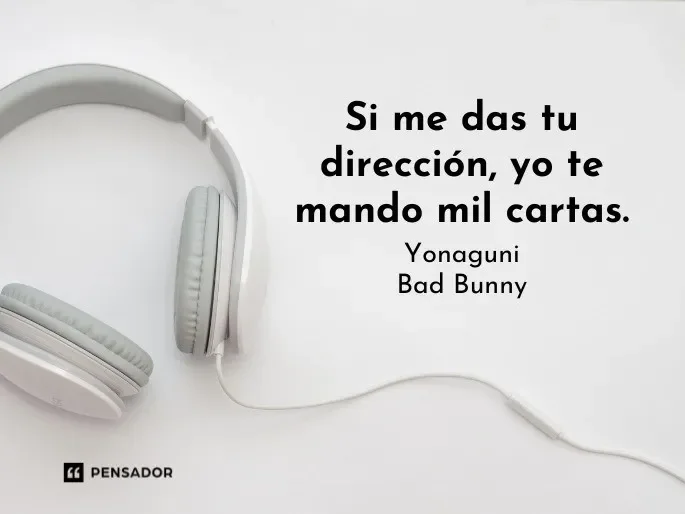
Celebration of Heritage: Songs like "Pitorro de coco" and references to Old San Juan directly anchor listeners in Puerto Rican culture.
Linguistic Nuances: The articles suggest that some lyrics contain nuances or references that are particularly understood by Boricuas (Puerto Ricans), indicating a deep connection with his primary audience.
Symbolic References: The use of figures like Eugenio María de Hostos or iconic local symbols like the racehorse "Candy B" imbues his music with layers of cultural meaning.
Social and Political Commentary
Beyond cultural celebration, Bad Bunny's music serves as a platform for commentary on the social and political realities impacting Puerto Rico and its people.
Critique of Systemic Issues: Themes of gentrification, displacement, and resource scarcity (like power outages) are consistently present, highlighting systemic challenges.
Protest and Resistance: Songs are described as protests against threats to cultural identity and resources, suggesting a deliberate use of his music as a form of artistic resistance.
Voice for the Marginalized: His willingness to address these issues positions him as a voice for communities affected by socio-economic and political pressures.
Themes of Self-Empowerment and Authenticity
A significant portion of Bad Bunny's lyrical output focuses on themes of self-worth, independence, and the importance of authenticity.
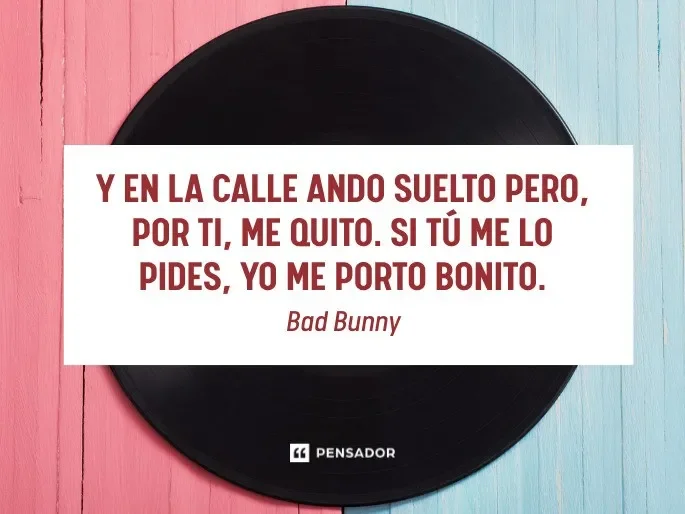
Self-Acceptance: Numerous quotes emphasize self-love, confidence, and the idea that one's own approval is paramount. Phrases like "No necesito la aprobación de nadie, soy suficiente" and "La confianza en mí mismo es mi mejor traje" exemplify this.
Individuality and Expression: The artist champions being oneself without apology and celebrates uniqueness. "Soy quien soy, sin disculpa alguna" and "Mi identidad es mi orgullo" reflect this stance.
Freedom and Autonomy: His lyrics promote living life boldly and independently, encouraging listeners to make their own choices and live without fear.
Expert Analysis on Lyrical Impact
Commentary suggests Bad Bunny's lyrical choices are strategic and impactful.
"Analistas consultados por CNN coinciden en que la elección de presentarse en el evento deportivo fue calculada: es una manera de reivindicar a los 65 millones de latinos en el país, en un momento crítico para la comunidad inmigrante." - CNN Spanish (Article 2)
This observation highlights the intentionality behind his public appearances and how his music and persona are leveraged for broader social representation.
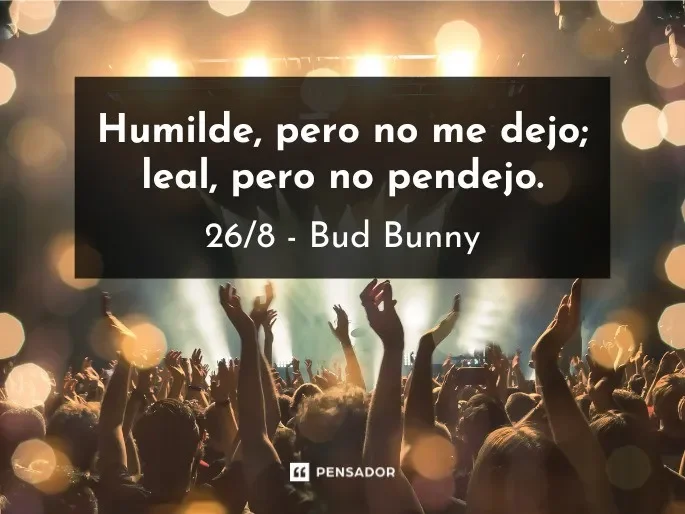
"Sus frases, tanto en canciones como en entrevistas, reflejan su visión sobre la vida, el amor, la cultura y la autenticidad. Las frases de Bad Bunny son más que citas: son reflejos de su identidad, su cultura y su visión de la vida. Bad Bunny se ha convertido en una voz generacional que trasciende la música." - Esquire Colombia (Article 7)
This assessment underscores that Bad Bunny's words are not superficial but represent a comprehensive worldview that connects with a generation.
Read More: Bride Struggles with 60kg Gold Gifts on Wedding Day in Hubei
Conclusion: A Multifaceted Artistic Voice
The collected information indicates that Bad Bunny's music is a complex tapestry weaving together cultural pride, social critique, and personal empowerment. His ability to articulate the experiences and aspirations of his audience, particularly within the Puerto Rican community and the broader Latino diaspora, solidifies his position as a significant cultural voice.
Cultural Preservation: His lyrics actively engage with and celebrate Puerto Rican heritage, offering a form of cultural preservation and promotion.
Social Consciousness: Bad Bunny utilizes his platform to address pertinent social and political issues, bringing attention to the challenges faced by his community.
Empowerment Narrative: His consistent messaging of self-acceptance, authenticity, and individuality provides an empowering framework for listeners.
Global Resonance: The universal themes present in his music, combined with specific cultural references, allow for broad appeal and connection across diverse audiences.
Future analysis could explore the quantitative impact of these lyrical themes on audience engagement and the artist's influence on broader cultural conversations.
Sources
The Owl Online: http://www.theowlonline.com/bad-bunny-estara-decepcionado-de-ti-si-no-puedes-reconocer-a-estas-leyendas-latinas-11021.html (Article 1)
KTUV.com (CNN Spanish): https://ktvz.com/cnn-spanish/2026/02/06/todo-lo-que-necesitas-saber-para-entender-las-canciones-y-las-letras-de-bad-bunny/ (Article 2) - This source discusses Bad Bunny's lyrical themes and their connection to Puerto Rican social and political issues.
Lyricstranslate.com: https://lyricstranslate.com/en/bad-bunny-lyrics.html (Article 3) - This source provides a comprehensive list of Bad Bunny's songs with translations, offering raw data on his discography.
US Magazine (En Español): https://www.usmagazine.com/enespanol/entretenimiento/las-letras-de-las-canciones-bad-bunny-que-solo-entienden-los-boricuas/ (Article 4) - This source offers explanations for specific lyrical references, providing cultural and historical context.
Pensador.com: https://www.pensador.com/es/frasesdebadbunny/ (Article 5) - This source compiles quotes and lyrical snippets, highlighting themes of love, life, and heartbreak.
Signatures Of Success: https://signaturesofsuccess.com/bad-bunny-quotes-spanish/ (Article 6) - This source categorizes Bad Bunny's quotes, focusing on themes like self-empowerment, partying, friendship, and artistry.
Esquire Colombia: https://esquirecolombia.com/frases-bad-bunny-iconicas/ (Article 7) - This source discusses the iconic nature of Bad Bunny's phrases and their reflection of his identity, culture, and life philosophy.
Despertarmagia.com: https://www.despertarmagia.com/110-mejores-citas-de-bad-bunny-para-hacerte-sentir-las-vibraciones-latinas/ (Article 8) - This source presents a collection of Bad Bunny quotes, aiming to evoke "Latin vibes."
Dicelacancion.com: https://dicelacancion.com/bad-bunny (Article 9) - This source lists Bad Bunny's songs and their meanings, providing insights into lyrical interpretations.
Todo Frases: https://todo-frases.com/las-mejores-frases-de-bad-bunny-que-te-haran-sentir-el-flow-latino/ (Article 10) - This source compiles Bad Bunny's phrases, focusing on their connection to "Latin flow" and life reflections.