


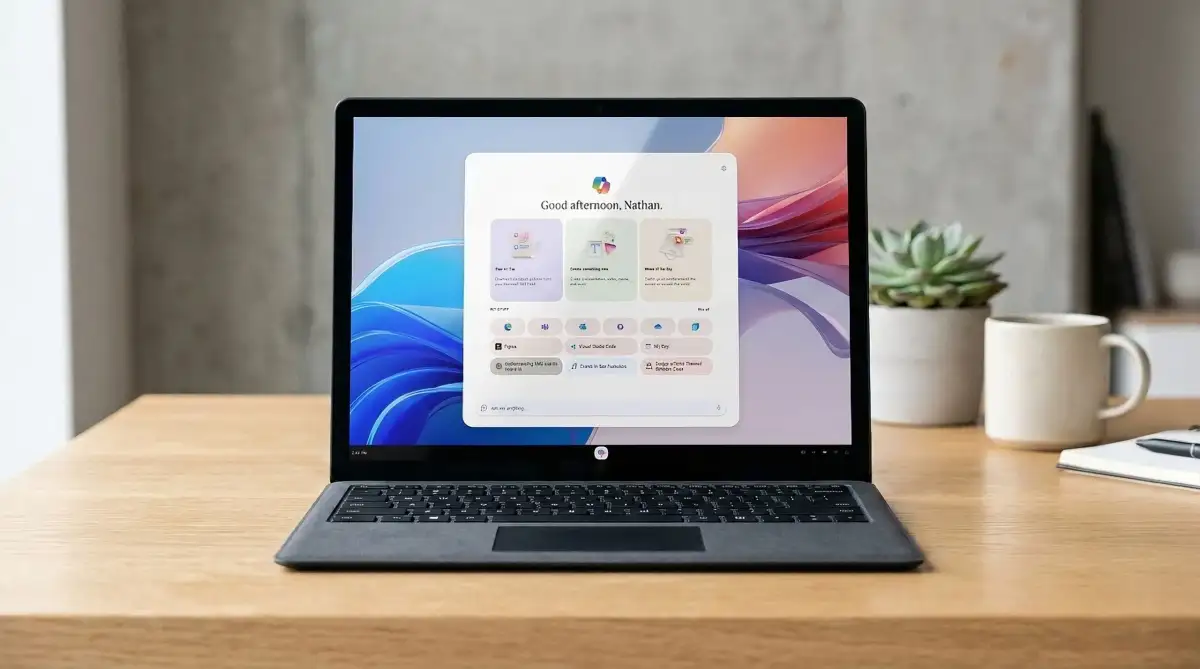
Leaked internal documentation and visual media from Microsoft reveal Project Aion, an experimental operating system prototype designed to function as an Agentic AI interface rather than a traditional desktop environment. In this model, the Copilot assistant serves as the primary OS shell, replacing the standard Start menu and desktop file management systems.
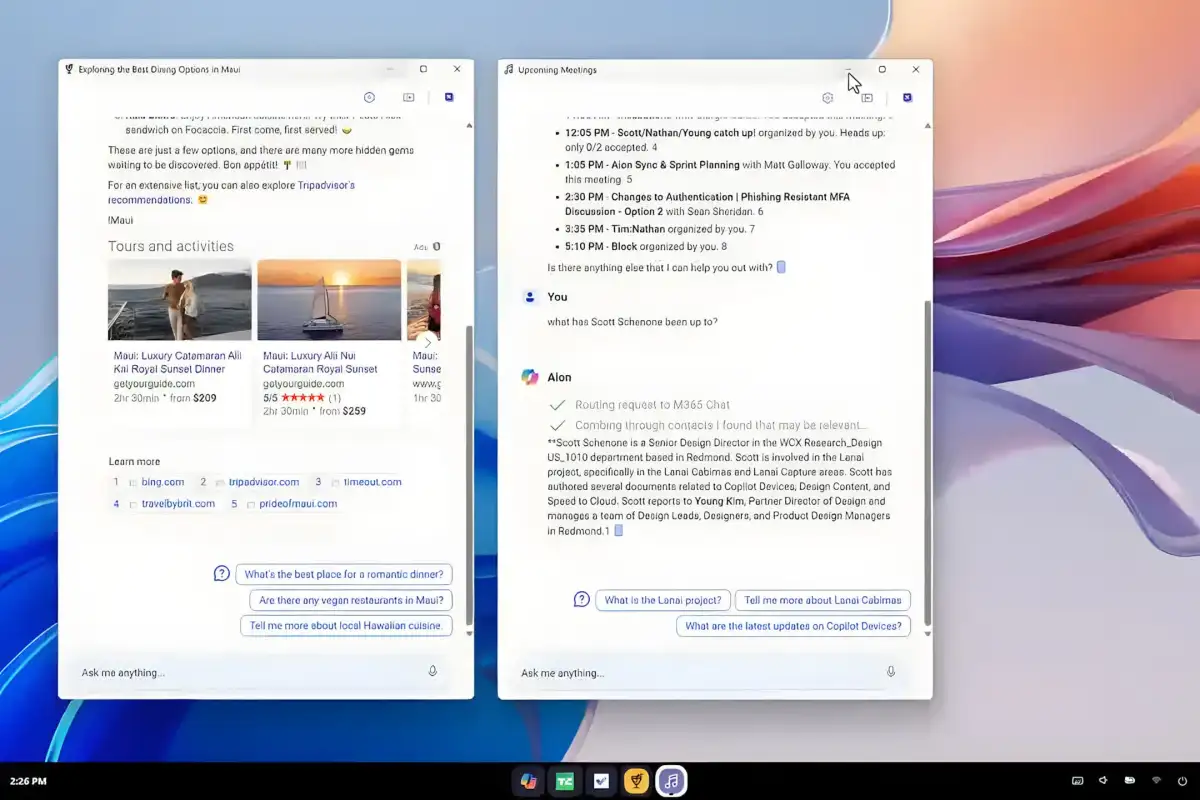
The core shift in Aion is the displacement of local application execution by cloud-based streaming. By utilizing Windows 365 and web-centric architecture, the prototype intends to bypass native Win32 application support in favor of thin-client functionality.
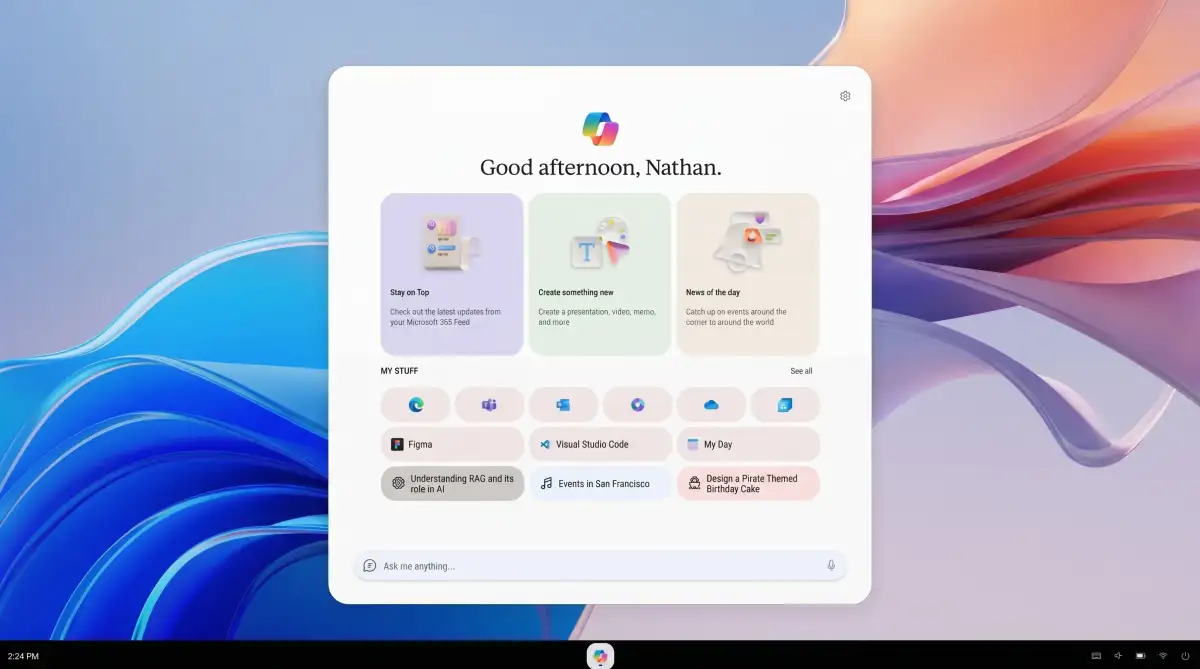
Key Characteristics of the Aion Prototype
Agent-Centric UI: The desktop environment is navigated primarily through conversational commands, positioning the AI as an intermediary between the user and digital resources.
Cloud Dependency: Because the system relies on web technologies, legacy software access is relegated to remote desktop streaming via Cloud PCs.
Hardware Agnostic: Internal exploration included iterations running on AOSP (Android Open Source Project) and standard Windows 11 backends.
Resource Optimization: Designed for lightweight, low-storage devices that offload processing to Microsoft’s data centers.
| Feature | Traditional Windows | Project Aion Prototype |
|---|---|---|
| Primary Interface | Graphical Shell / Icons | Conversational AI Agent |
| App Execution | Native (Win32/x64) | Web-App / Cloud Streamed |
| System Control | Manual Configuration | Agentic Automation |
| Data Storage | Local / Cloud Sync | Primarily Cloud-Centric |
Critical Reception and Strategic Context
The reaction to these leaks—dated between July 3, 2026, and July 6, 2026—has been largely adversarial. Users have voiced significant concerns regarding "feature bloat" and the potential erosion of local privacy and offline functionality.
Internal Retrenchment: While Microsoft initially pursued aggressive integration of AI assistants into the current Windows 11 build, current internal trends show a measured retreat in response to negative user feedback.
Risk Framing: Microsoft has notably updated its terms of use to place the burden of "risk" on the user, distancing the company from potential errors made by autonomous AI agents within the operating system.
Product Status: Project Aion remains an internal prototype. There is no evidence that this specific interface will reach consumer availability in its current state.
The Shift Toward Agentic OS
Historically, operating systems were constructed as platforms for users to manage files and launch binaries. The Aion model signals an attempted shift where the operating system is transformed into a managed service. By abstracting the file system and application management, the firm attempts to tether the user experience to its Cloud Infrastructure.
Read More: Chrome mimeHandler API lets extensions handle file types

This trajectory suggests that the "Windows" brand may eventually transition from a local software environment to a gateway for Managed AI services, fundamentally changing the ownership dynamic between the device holder and the machine's primary functionality.





