Coalition Leadership Denounces Alliance Prospects
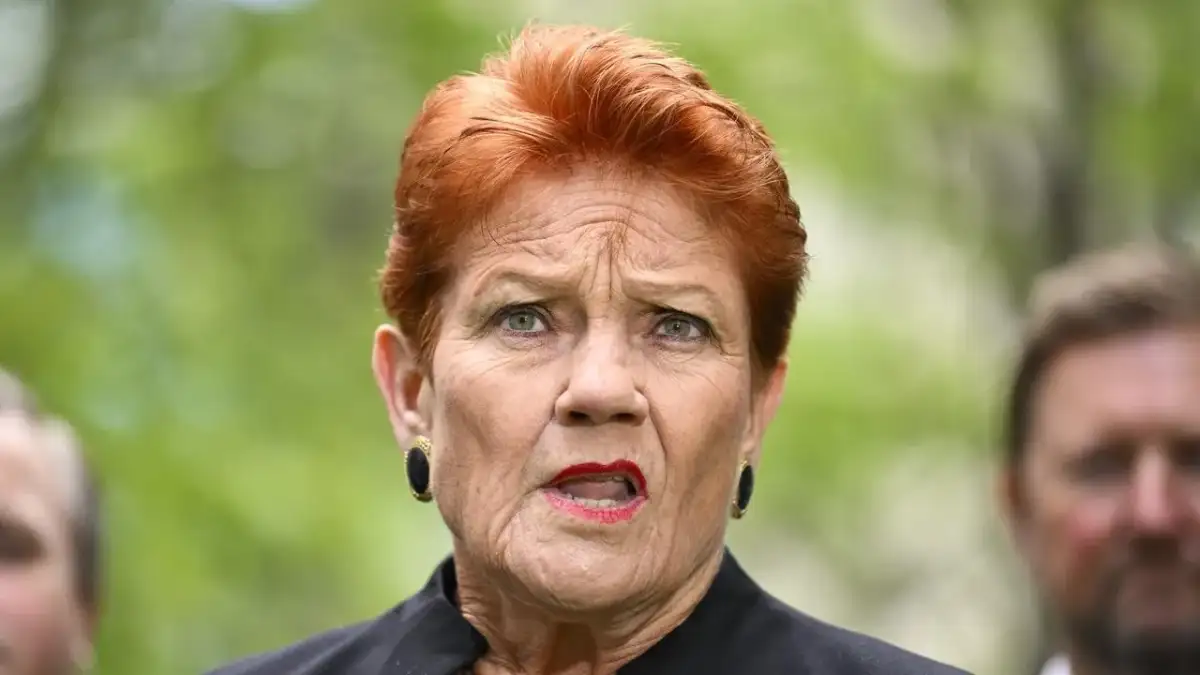
Senior figures within the Liberal Party have emphatically shut down any possibility of forming a coalition government with One Nation. The strong denials follow recent remarks that had suggested a potential alliance, amid growing concerns over the Coalition's electoral standing and the rise of Pauline Hanson's party.

The Liberal Party has stated definitively that it has "no plans for going into a coalition with One Nation." This stance was articulated by shadow foreign affairs minister Ted O’Brien, and echoed by shadow treasurer Tim Wilson, who declared he would "never, ever, ever" support such a coalition.

Opposition Leader Angus Taylor has also been active in rallying party staff, promising a robust economic agenda. He intends to shift the political conversation, reportedly with a major tax announcement planned for his budget-in-reply speech. This move appears designed to counter Labor's critiques of One Nation's voting record on cost-of-living issues and to project a distinct policy direction for the Coalition.
Read More: One Nation Wins Farrer Seat; Australia Budget Focuses on Housing

One Nation's Ascendance and Coalition's Struggles
One Nation has seen a significant surge in support, consistently outpolling the Coalition in recent surveys. This has created an "existential threat" to the Coalition's viability as a major political force on the right. Pollster Kos Samaras has stated that "One Nation is now the Opposition," underscoring the dramatic shift in the political hierarchy.

Analysts point to One Nation's "laser-focused policy agenda" as a key factor in its growing appeal, with voters increasingly willing to support minor parties and independents they perceive as more effective in representing specific concerns. This trend suggests a broader voter dissatisfaction with the established major parties.
Internal Liberal Party Dynamics
The Liberal Party is grappling with internal divisions and a palpable sense of despair following a series of poor polling results. Recent Newspoll figures showed the Coalition's primary vote plummeting to 18 percent, placing them behind One Nation. This has fueled speculation about leadership challenges, with figures like Sussan Ley, Andrew Hastie, and Angus Taylor reportedly considered potential contenders.
Read More: One Nation Surges to 22% in Australia Amid Global Populist Trend
Earlier this year, Angus Taylor emerged as the new Liberal leader, following internal party deliberations. His arrival brought forth his perspective on engaging with voters considering One Nation, although specifics of this message were not fully detailed. The party has also navigated complex negotiations with coalition partners, such as the recent agreement with the Nationals under David Littleproud after a period of tense discussions.
Historical Context and Voter Sentiment
Historically, the Liberal Party has maintained a strong condemnation of One Nation. However, a shift in strategy has seen the Coalition placing One Nation candidates second on how-to-vote cards in numerous electorates. This tactical decision, which contrasts with decades of opposition to Pauline Hanson, has been described as "devastating" by some, suggesting it reflects more on the Liberal Party's current predicament than on One Nation itself.
Read More: Bandi Sanjay Kumar's Son Faces POCSO Charges Amidst Extortion Claims
Voter sentiment appears to be moving away from the major parties, with divisions and disunity within the Coalition contributing to a perceived lack of effectiveness. This environment has allowed parties like One Nation, with their clear policy platforms, to gain traction. The underlying message from voters seems to be a desire for change and a weariness with the political status quo.