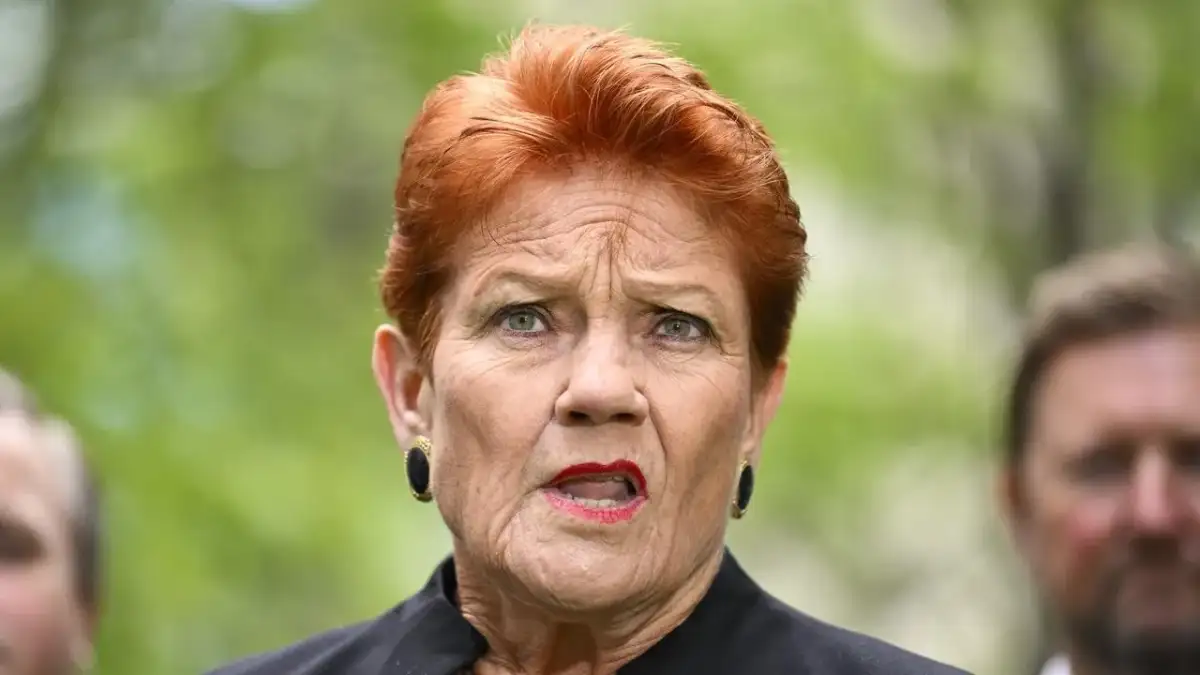
The One Nation party in Australia has experienced a significant surge in support, now polling at 22 per cent of the primary vote, a climb of seven points over the past two months according to the latest Newspoll survey. This resurgence positions the party, led by Pauline Hanson, as a considerable force, overtaking the Coalition in primary vote intention. The party is expanding its organisational footprint, boasting more members, branches, and candidates, and strengthening its presence in the Senate, moving beyond its origins as a "fringe protest movement."
Internationally, One Nation's rise is being compared to the trajectories of figures like Nigel Farage and Donald Trump, with analysts noting the party is capitalizing on public anxieties surrounding immigration, a tactic mirrored by Reform UK. While early controversies for One Nation centered on opposition to Asian immigration, contemporary debates encompass broader issues of multiculturalism and Muslim immigration. This shift aligns with a global political landscape where immigration has become a prominent socio-political issue.
Read More: Trump Calls Ex-FBI Chief Comey 'Dirty Cop' Over Social Media Post
The narrative surrounding Pauline Hanson and her party suggests a move from mere protest to an established political entity. This growth is evident in the party's increasing structure and activity, which includes a stronger foothold in the Senate. This organizational expansion marks a departure from its past as primarily a single-issue or protest vehicle.
One Nation's current standing is prompting comparisons to broader global populist movements. Some commentators have framed Hanson as a potential Australian equivalent to figures like Farage or Trump, suggesting that voters are responding to a desire for decisive action rather than detailed policy. The party's platform, evolving from its initial stance against Asian immigration in the 1990s, now engages with wider discussions on multiculturalism and specific immigration concerns.
The phenomenon is not isolated. The broader trend of populist resurgence internationally is seen as a backdrop to One Nation's gains. The strategies employed by parties and figures like Reform UK and Nigel Farage in the United Kingdom, particularly their focus on immigration, are observed as parallels. This suggests a shared undercurrent of public sentiment being tapped into across different Western democracies.
Read More: Australians Quarantined 45 Days in Perth After Ship Virus Outbreak
Previously, Pauline Hanson faced censure, including a suspension from the Senate for wearing a burqa, an event that saw her excluded from a condolence motion. More recently, former Nationals MP Barnaby Joyce formally joined One Nation, a move that has drawn commentary about personal political ambitions.
Comparisons to Nigel Farage have also highlighted potential outcomes, with one perspective suggesting he has become "the nemesis, not the rejuvenator," of the causes he espouses. This framing points to the complex and sometimes contradictory impacts of populist leadership.