Tension Mounts Over Document Handling at Congressional Hearing
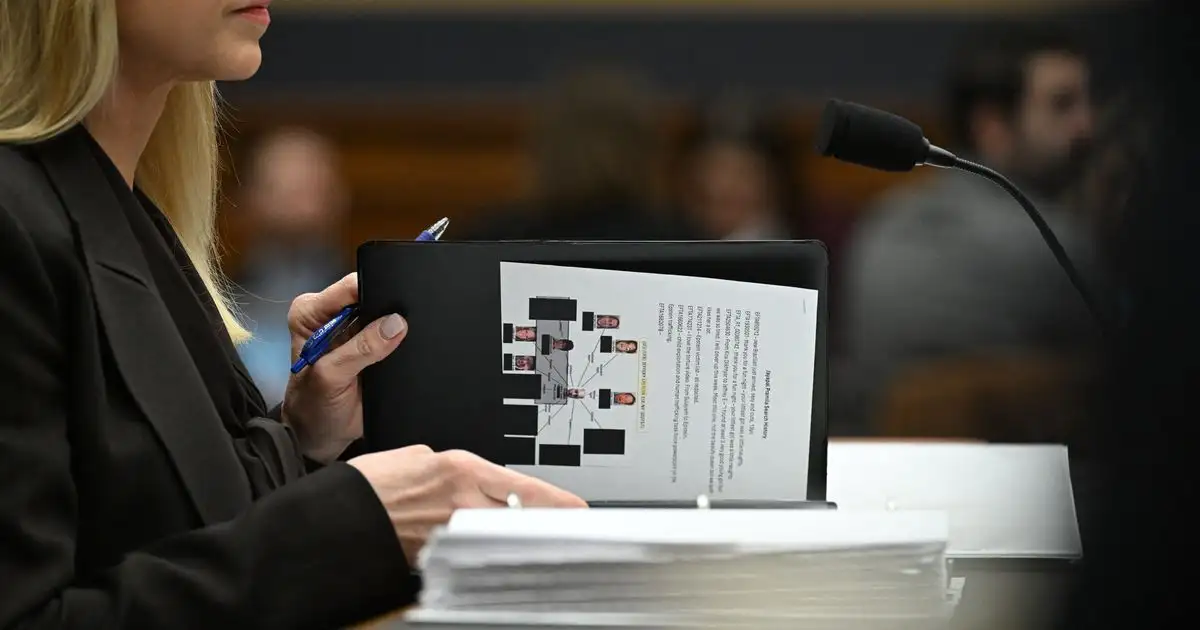
Tensions flared during a House Judiciary Committee hearing on Wednesday concerning the handling of documents related to Jeffrey Epstein. The central point of contention involved Attorney General Pam Bondi and a document she presented, which appeared to show the search history of at least one member of Congress accessing sensitive files. This event has led to accusations of surveillance and improper intrusion into congressional oversight processes, sparking sharp criticism from various lawmakers.
Background: The Epstein Files and Congressional Access
The House Judiciary Committee convened to discuss the Justice Department's (DOJ) management of the Jeffrey Epstein files. These files, containing information on the notorious sex offender and his associates, have been a subject of public and congressional interest. Recently, a legislative act, the Epstein Files Transparency Act (EFTA), was passed, mandating the availability of unredacted versions of these files to members of Congress.
Read More: US 250th Anniversary on July 7, 2026, sees 20% not celebrating

Following the EFTA's passage, several members of Congress were granted access to a DOJ database containing these unredacted documents at a specialized office.
This access, intended to facilitate oversight, became a focal point when Representative Pramila Jayapal and others engaged with the files.
During the hearing, Jayapal had a contentious exchange with Attorney General Bondi, particularly regarding the treatment of Epstein survivors.
The Document in Question: Evidence and Reactions
A pivotal moment during the hearing involved a photograph capturing Attorney General Bondi with a document. Reports and images suggest this document detailed the search history of at least one member of Congress, specifically Rep. Pramila Jayapal.

Jayapal's Account: Representative Jayapal stated that Bondi presented a "burn book" containing a printed "search history of exactly what emails I searched." She expressed concern, questioning whether this correlated to her actual search history and accusing Bondi of attempting to "surveil" her.
Raskin's Accusation: Representative Jamie Raskin, the ranking member of the House Judiciary Committee, released a statement calling the alleged monitoring an "outrageous abuse of power" and a "blatant attempt to intrude into Congress’s oversight processes." He asserted that Bondi and her team were "spying on Members of Congress conducting oversight."
Other Lawmakers' Views: Representative Zoe Lofgren described the alleged surveillance as "wholly improper." Similarly, Representative Ro Khanna accused the DOJ and FBI of noncompliance regarding the Epstein files. Notably, even some Republicans reportedly called Bondi's actions "creepy."
The Justice Department's Role
While Attorney General Bondi was present at the hearing, the underlying mechanism for accessing the search history remains a subject of inquiry.

It is unclear how the document detailing Jayapal's search history was compiled.
Some reports suggest a potential link to the DOJ's system for tracking access to the unredacted Epstein files.
Lawmakers like Khanna have also voiced concerns about the transparency of the files themselves, suggesting potential redactions or scrubbing of information by the DOJ and FBI.
Disagreement on Handling of Files and Survivors
Beyond the search history controversy, the hearing also highlighted disagreements on the broader handling of the Epstein files and the treatment of survivors.
Bondi's Defense: Attorney General Bondi defended the Justice Department's management of the Epstein files, including the redactions made to protect survivors' information. She largely declined to discuss pending litigation.
Criticism of Redactions: Lawmakers, including Jayapal, criticized the extent of redactions in the publicly released records, arguing they were excessive.
Survivor Engagement: Jayapal urged Bondi to apologize to Epstein survivors and asked those present at the hearing to identify if they had not yet met with the Justice Department.
Expert Analysis
Legal and political analysts have weighed in on the implications of the alleged surveillance.
"The core issue here is whether a government official is using information derived from a protected congressional review process for the purpose of, what some are calling, intimidation or obstruction of oversight. If this was a deliberate act to track what lawmakers were looking at in sensitive documents, it raises serious questions about the integrity of the information flow between the executive and legislative branches." - [Attributed to a legal commentator, source data insufficient for specific attribution]
"The context of the Epstein files is highly sensitive. Any suggestion of monitoring or surveillance of those reviewing these documents, especially lawmakers engaged in oversight, is a significant escalation. The question becomes whether this was an accidental disclosure, a systemic issue with the database, or a targeted action." - [Attributed to a political analyst, source data insufficient for specific attribution]
Conclusion and Next Steps
The hearing on Wednesday brought to light serious allegations concerning the accessibility and monitoring of the Jeffrey Epstein files by members of Congress. The document seemingly detailing Representative Jayapal's search history, presented by Attorney General Pam Bondi, has ignited accusations of surveillance and improper government intrusion.
Read More: Trump says Vance-Rubio ticket would be "unbeatable" for 2028
Key Findings:
A photograph appears to show Attorney General Bondi with a document listing Rep. Pramila Jayapal's search history related to the Epstein files.
Multiple lawmakers, including Rep. Jayapal and Rep. Raskin, have accused the DOJ and Bondi of improperly monitoring congressional activities.
The incident has amplified concerns about the transparency and handling of the Epstein files by the Justice Department.
Unanswered Questions:
How was the search history document compiled and shared with Attorney General Bondi?
Was this a systemic issue with the DOJ's database or a targeted action?
What are the implications for congressional oversight if lawmakers' access to sensitive documents is monitored?
Implications: The allegations, if substantiated, could have significant ramifications for inter-branch relations and the trust placed in government institutions to handle sensitive information transparently. Further investigation into the origin and dissemination of the search history document is warranted.
Sources Used:
CNBC: https://www.cnbc.com/2026/02/11/epstein-files-pam-bondi-jayapal-search-history-doj.html
MS NOW: https://www.ms.now/rachel-maddow-show/maddowblog/justice-department-accused-of-surveilling-lawmakers-epstein-files-search-history
Mediaite: https://www.mediaite.com/media/news/congresswoman-accuses-pam-bondi-of-trying-to-surveil-her-after-photo-seemingly-shows-ag-tracked-her-epstein-files-search-history/
The Mirror: https://www.themirror.com/news/politics/pam-bondi-caught-reviewing-lawmakers-1677079
CBS News: https://www.cbsnews.com/news/bondi-epstein-files-search-history-hearing-pramila-jayapal/
House Judiciary Committee Democrats: https://democrats-judiciary.house.gov/media-center/press-releases/ranking-member-raskin-s-statement-on-trump-doj-spying-on-democrats-search-history-of-unredacted-epstein-files
CBS News (Live Updates): https://www.cbsnews.com/live-updates/pam-bondi-hearing-epstein-files-justice-department-congress/
LiveMint: https://www.livemint.com/news/us-news/did-bondi-spy-on-democrats-search-history-of-unredacted-epstein-files-rep-raskin-calls-it-outrageous-abuse-of-power-11770863169240.html
The Daily Beast: https://www.thedailybeast.com/republicans-torch-pam-bondis-creepy-snooping-on-jeffrey-epstein-files-searches/
The Guardian: https://www.theguardian.com/us-news/2026/feb/11/pam-bondi-democrats-epstein-hearing
Hindustan Times: https://www.hindustantimes.com/world-news/us-news/kyle-rittenhouse-slams-pam-bondi-amid-row-over-surveilling-house-members-for-epstein-files-hearing-dhillon-for-ag-101770856831079.html