Party Figures Publicly Contemplate Future Direction
In a stark divergence from the ongoing political dramas in Westminster, a significant faction within the Labour Party has been actively engaging in public discussions concerning the party's future direction. This internal deliberation intensified recently, particularly in the wake of events that cast doubt on the Prime Minister's tenure.

The recent "Good Growth Foundation's conference," while ostensibly a policy forum, served as a de facto platform for Labour leadership contenders to showcase their vision. Several Labour MPs gathered, publicly workshopping potential future party leadership structures, a move occurring concurrently with significant scrutiny of the Prime Minister's position.
Starmer Faces Internal Pressure and External Challenges
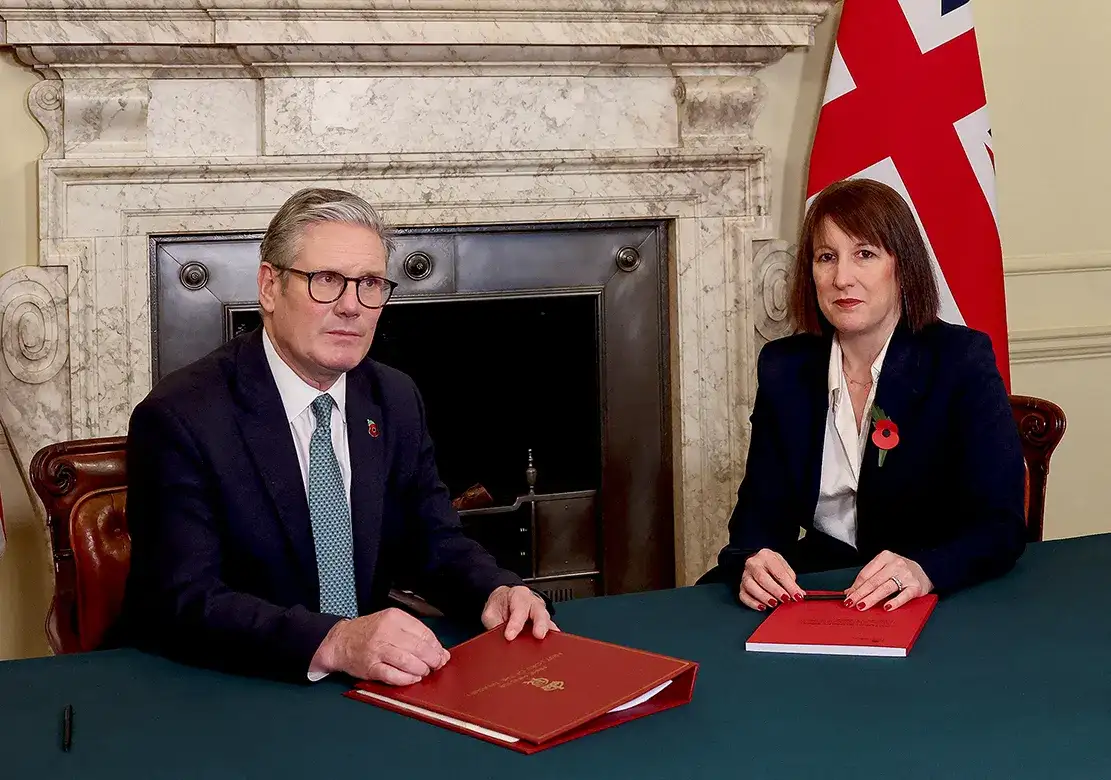
Reports indicate a persistent undercurrent of dissent regarding Keir Starmer's leadership. While some within the party believe a unified front against opposition is crucial, suggesting a unified stance is essential to avoid damaging the party's collective identity, others are openly exploring alternative leadership scenarios. This internal tension is exacerbated by external polling data that has fueled speculation about Labour's electoral prospects, placing Starmer under considerable pressure.
Read More: US Lawmakers Say South Korea Favors China Over American Firms

"There is a danger that the upheaval in changing the leader could have no effect on Labour’s polling."
This sentiment highlights the complex calculus facing Labour: the potential disruption of a leadership change versus the possibility of little to no electoral gain. The party's financial standing, particularly in comparison to rivals like the SNP, is often cited as a point of strength. However, unfavorable polling in key regions, even suggesting unpopularity compared to the Scottish government, presents a concerning counter-narrative.

A Season of "Make or Break" for Starmer
The year 2026 has been widely framed as a critical juncture for Keir Starmer, with his leadership facing significant challenges from both within and outside the party. This period has seen Labour MPs convene, ostensibly to address the rise of parties like Reform UK, with the explicit goal of countering electoral threats. These gatherings have been presented as opportunities for Starmer to consolidate his position and convince MPs of his suitability to lead the party into the next general election.
Read More: Robbins Explains Mandelson Vetting Row to MPs
The discourse within Westminster has extended beyond domestic observers, with international capitals also noting the Prime Minister's perceived vulnerability. This external observation underscores the high stakes surrounding Labour's current political landscape. Starmer's past electoral success – leading Labour to a substantial majority in a previous general election – is a significant historical point, yet current opinion poll evidence presents a starkly different picture of the party's standing.
Underlying Tensions and Policy Debates
Behind the scenes, discussions have reportedly involved vigorous debates about Starmer himself. His leadership style and policy direction have drawn criticism, with some senior Labour figures having previously expressed concerns that government economic policy was being unduly influenced by other figures. This internal policy debate, coupled with the broader leadership questions, paints a picture of a party grappling with its identity and future trajectory amidst significant political flux.