Chhattisgarh authorities are framing a new phase in their strategy concerning Maoist insurgents, focusing on the "reintegration" of those who have laid down arms. This marks a shift from solely security operations to an emphasis on societal re-entry for surrendered cadres, supported by welfare initiatives and symbolic gestures. Recent weeks have seen a considerable number of surrenders, with officials asserting that armed Maoist presence is significantly diminished.
Recent reports detail significant numbers of Maoists renouncing violence and joining mainstream society. On March 11, 2026, 108 cadres from the Dandakaranya Special Zonal Committee (DKSZC) surrendered under the 'Poona Margem' initiative, a program described as "Rehabilitation to Regeneration." This event coincided with the largest recovery of arms caches in India’s anti-Naxal operations history, with surrendered cadres reportedly providing information that led to these discoveries. Similarly, three weeks ago, 25 Maoists, including 12 women and senior leaders such as Mangal Korsa alias Motu and Shankar Muchaki, surrendered in Bijapur, with a combined reward of Rs 1.47 crore on their heads. This surrender also led to substantial asset recovery, totaling Rs 14.06 crore in cash and gold, bringing the regional combined recovery to Rs 19.43 crore.
Read More: Taiwan Holds Nantou County Drills to Prepare for State Collapse
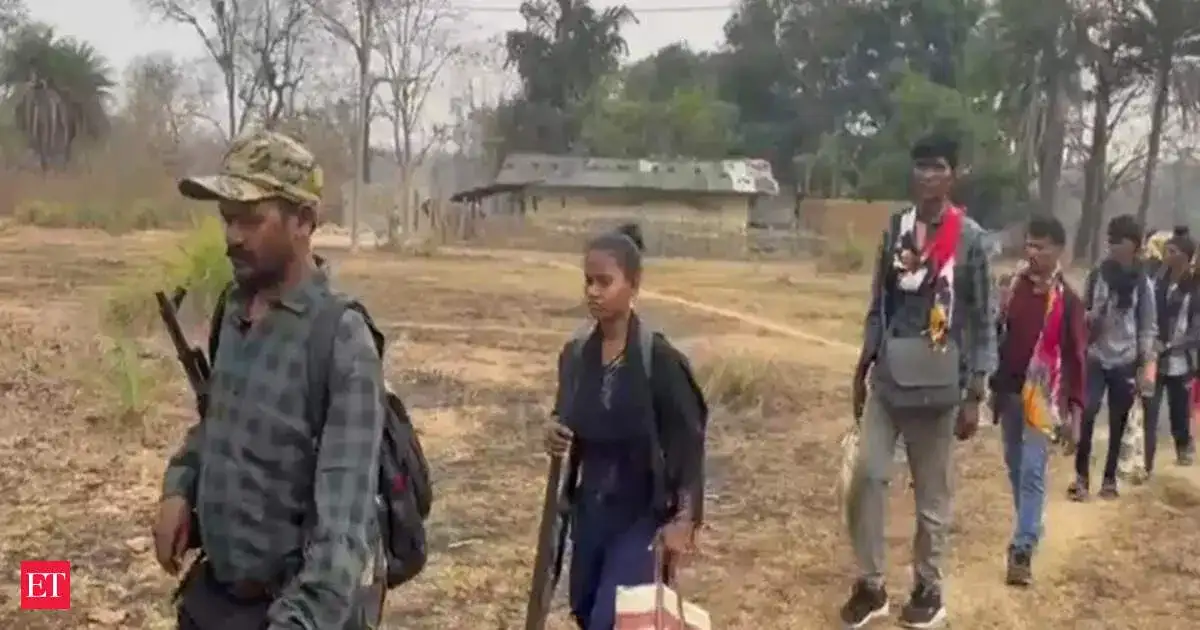
In a move emphasizing integration, groups of surrendered Maoists have been invited to witness proceedings at the Chhattisgarh Legislative Assembly in Raipur. On March 13, 2026, 78 surrendered Maoists from Sukma district visited the assembly, where they were welcomed by local MLA Kawasi Lakhma. They subsequently met with officials including Forest and Climate Change Minister Kedar Kashyap. This symbolic act aims to foster a sense of belonging and provide a tangible connection to the state apparatus they once opposed. Another large group, 140 former Maoists including 54 women, visited the Assembly on March 18, 2026, and met with Chief Minister Vishnu Deo Sai to discuss their transition.
Read More: Chhattisgarh gets 400 new vehicles and 33 forensic labs

Numbers and Incentives
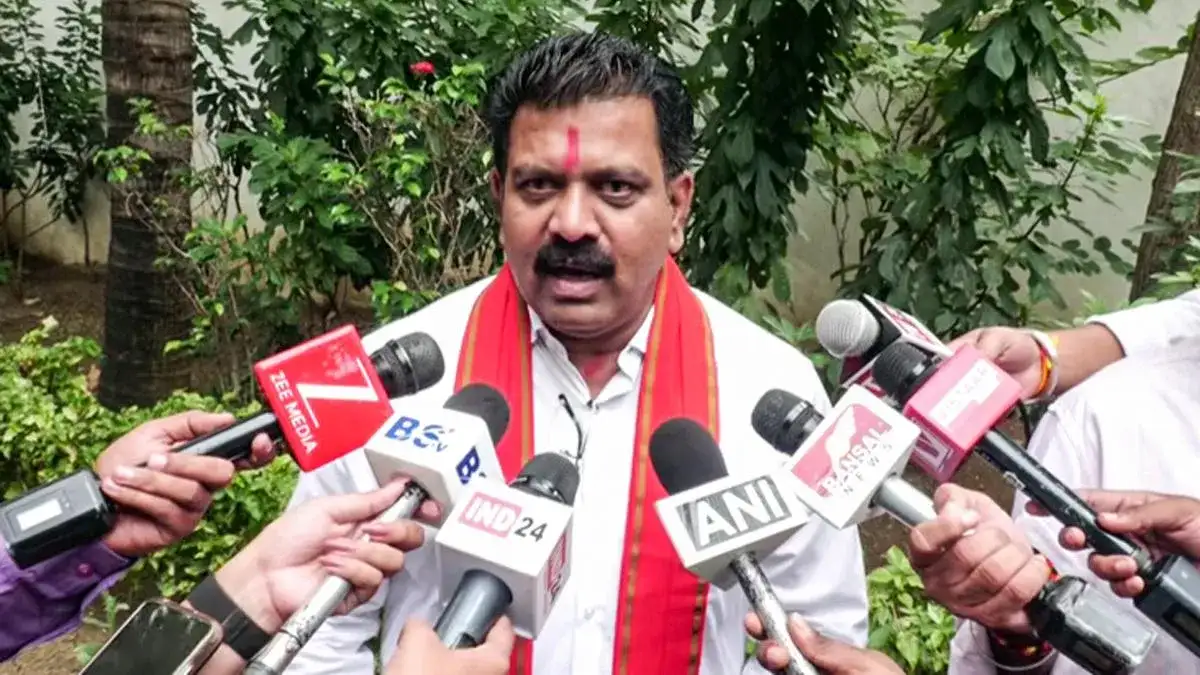
Official statements suggest a significant decline in Maoist activity. Chhattisgarh's Home Minister stated about one month ago that "no armed Maoist presence exists in Chhattisgarh anymore," and that remaining Maoists are "simply counting their days." The government highlights its rehabilitation policy, which includes setting up centers for smooth reintegration, offering livelihood options, and ensuring secure futures. These policies reportedly provide food, shelter, skill training, employment opportunities, and financial assistance. Chief Minister Vishnu Deo Sai mentioned in late December 2025 that over 2,000 Maoists had surrendered in Bastar, with the government offering monthly financial aid of Rs 10,000 and land for farming as part of the rehabilitation package. Over the past two years, more than 2,700 Maoists have reportedly surrendered in the state.
Read More: FBI Analysts Review Georgia 2020 Election Data in Fulton County
Broader Trends and Context
The current wave of surrenders and the focus on reintegration follow a sustained period of security operations. Reports from three weeks ago indicate that 170 Maoist cadres surrendered in Bastar Division in one month, including senior figures like DKSZCM Paparao. Inspector General of Police in Bastar Range, P. Sundarraj Pattlingam, has indicated that these efforts are nearing the goal of a "Naxal-free Bastar," suggesting an erosion of the Maoists’ military capability. This decline is attributed to several factors, including intensified security operations, effective rehabilitation programs, ideological stagnation within the movement, a reduction in educated cadre recruitment, and a lack of technological advancement. Historically, Maoists entered Bastar in the 1980s, seeking a base amid pressure from Andhra Pradesh, with the movement transforming into an armed rebellion over decades.
In late November 2025, 28 Maoists carrying a cumulative bounty of ₹89 lakh surrendered in Narayanpur district, a move framed under the 'Poona Margem' initiative. Earlier, in late October 2025, 103 Maoists surrendered in Bijapur, with bounties totaling Rs 1.06 crore. The surrender of senior leaders, such as Politburo member Thippiri Tirupathi, alias Devuji, and Central Committee member Takkalappalli Vasudeva Rao, alias Ashanna, alias Rupesh, in recent periods, are cited as significant blows to the Maoist leadership structure. This pattern suggests a broader erosion of morale and operational strength within the organization.
Read More: Chhattisgarh Assembly: 30 Congress MLAs Suspended Over LPG Cylinder Shortage