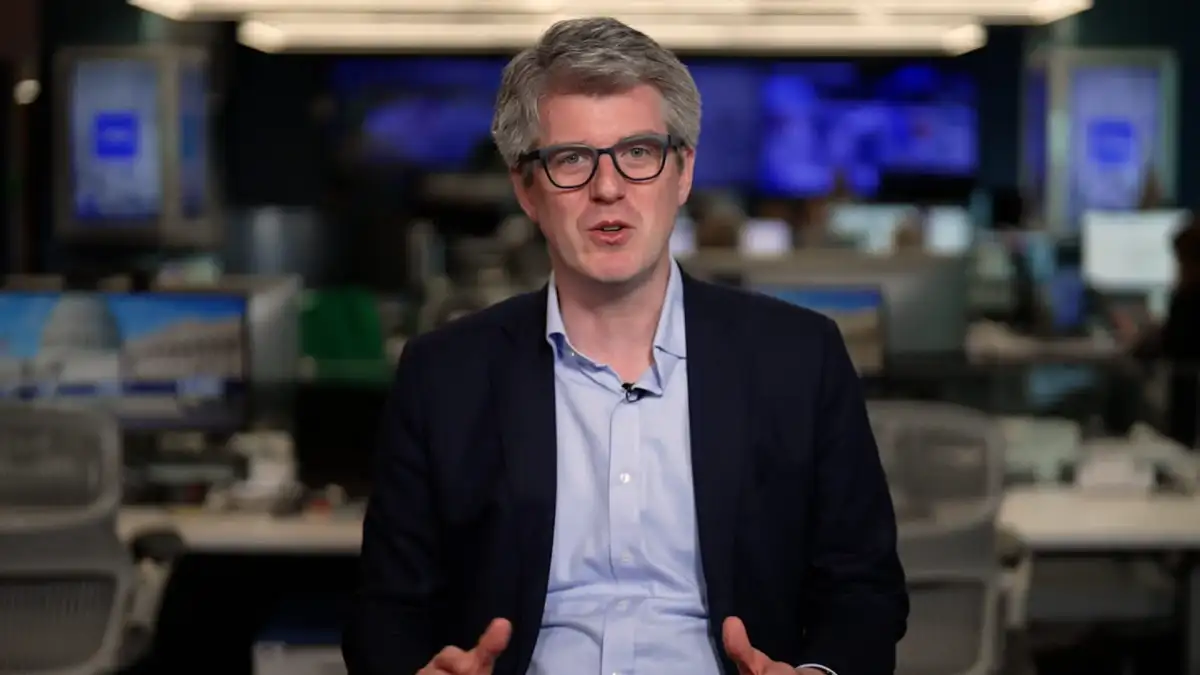
Prime Minister Keir Starmer finds himself in a precarious political position, with his leadership potentially imperiled by revelations concerning the security vetting of Peter Mandelson, the appointed UK ambassador to Washington. Starmer's administration is attempting to navigate the fallout after Sir Olly Robbins, the former top civil servant at the Foreign Office, gave evidence suggesting "pressure" from Number 10 and a "dismissive attitude" towards the vetting process for Mandelson.

The core of the controversy revolves around whether Starmer was aware that Mandelson had failed his security vetting before his appointment. Starmer has maintained he was not informed of the failed vetting, a claim that has been met with skepticism and accusations of misleading Parliament. The Prime Minister stated it was "astonishing" he was not privy to this information, and he has admitted the appointment was a "fundamental mistake." He insists that had he known about the failed vetting, he would have cancelled Mandelson's posting.
Read More: London Labour Figures Charged in Croydon East Vote Rigging Probe

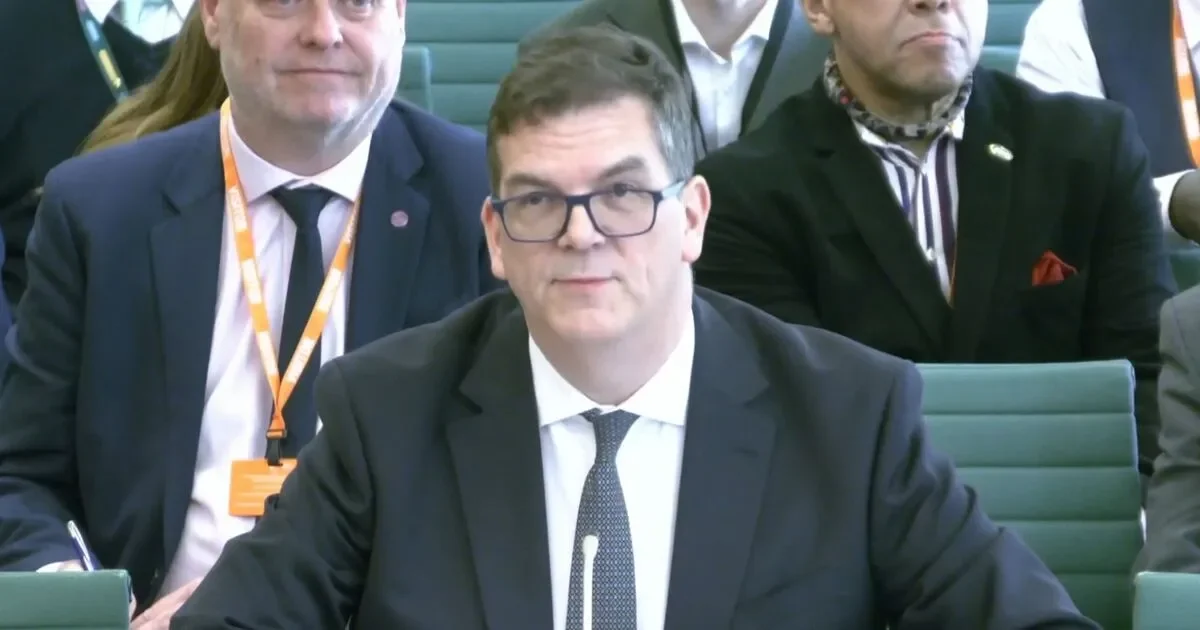
Robbins' testimony before the Foreign Affairs Committee has introduced further complexity. He has stated that the Cabinet Office suggested Mandelson did not require security vetting, a point he claims was a recommendation to him, though he did not recall specific wording. He also indicated that he did not inform ministers or the Prime Minister about the vetting outcome. Robbins' evidence appears to shift blame, suggesting a potential obstruction of truth from Number 10. Starmer, in turn, has accused Robbins of deliberately hindering efforts to uncover the full facts.

Opposition Demands and Internal Pressure
Opposition parties have seized upon the revelations, with leaders calling for Starmer's resignation. The Liberal Democrats have formally requested an investigation by the Prime Minister's ethics adviser into Starmer's handling of the affair. There are also suggestions from some Conservative benches that a motion of no confidence could be considered.
Read More: Royal Mail Stops Saturday Second-Class Mail to Speed Up Deliveries
Within his own party, Starmer's position has been subject to internal debate, though ministers have publicly rallied to his defense. Some commentators suggest Starmer's approach has been inconsistent, adapting his political stance based on perceived electoral advantage rather than firm conviction. The prolonged crisis is seen by some as a significant threat to his premiership, particularly given the promise of political cleanup that accompanied his rise to power.
The Vetting System and Its Purpose
Sir Olly Robbins, in his evidence, sought to clarify the purpose of the vetting system, stating its objective is not to "trip people up" but to encourage applicants to be open about potential vulnerabilities and to manage those risks. He noted that a Deep Vulnerability (DV) clearance is a "risk judgment" dependent on management and mitigation strategies. He also indicated that Mandelson's case was unusual in his tenure at the Foreign Office.
Read More: Warsh Senate Hearing Today for Fed Chair Job
The Foreign Office, in an explanatory document, has stated that civil servants can flag security vetting recommendations to ministers, allowing them to make judgments on appointments or to explain matters to Parliament, while still protecting sensitive information. The system, however, has rules against disclosing details of vetting cases to ministers, a point highlighted by some sources in defense of the civil service's actions.
Background to the Controversy
The Mandelson vetting scandal erupted after the revelation that the former diplomat, who had previously been linked to Jeffrey Epstein, had failed a security vetting process prior to his appointment as the UK's top envoy in Washington. This revelation led to the sacking of Sir Olly Robbins, who was the most senior civil servant in the Foreign Office at the time. Starmer became Prime Minister in July 2024, promising to reform politics. The current crisis has cast a shadow over his leadership, raising questions about his judgment and ability to govern effectively.
Read More: UK Government Plans to Cut Electricity Bills from Gas Prices