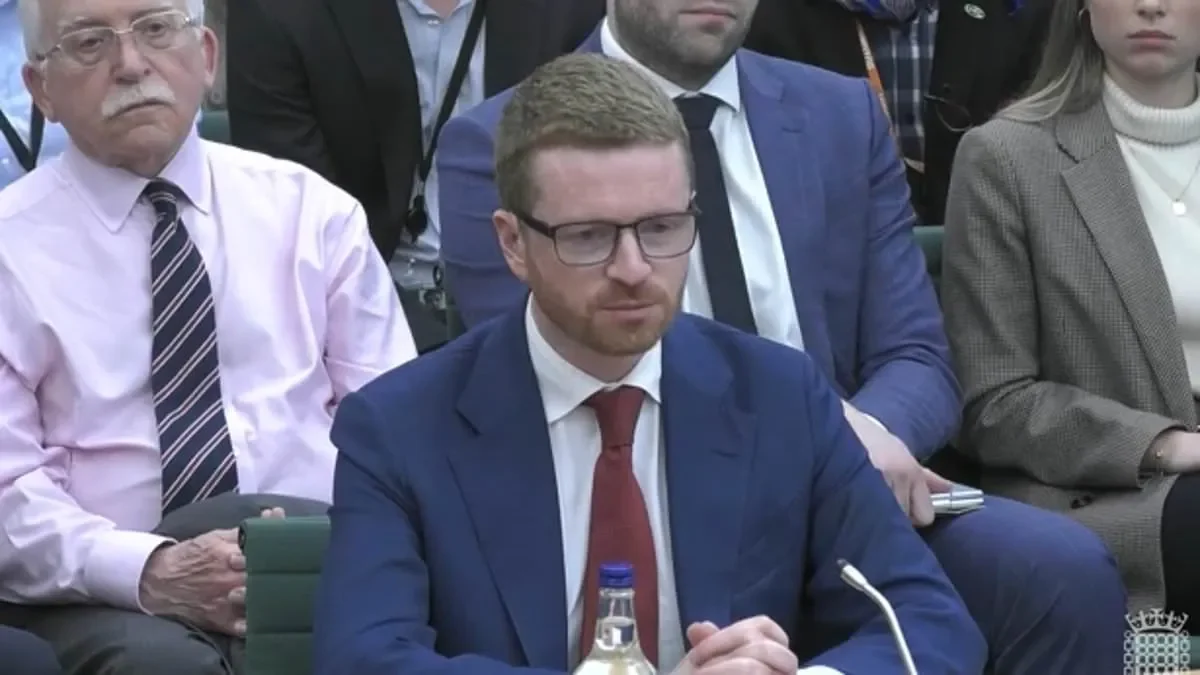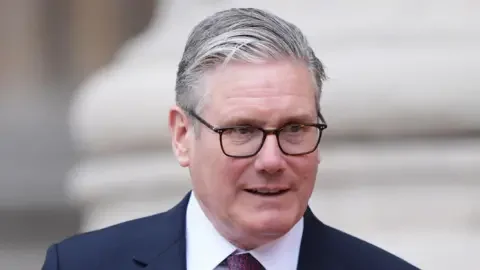
Nearly 100 Labour Members of Parliament have publicly called for Prime Minister Keir Starmer to resign or set a departure timeline, following dismal local and devolved election results. As of Friday morning, 97 MPs are demanding a change in leadership, asserting that Starmer lacks the public mandate to enact the promised transformation.
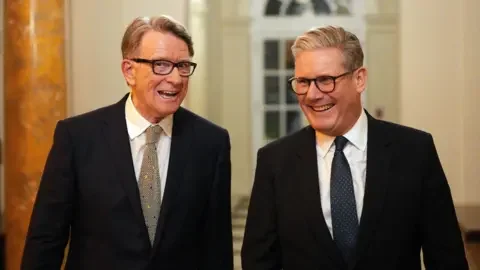
The calls for resignation signal a significant crisis for Starmer's leadership, with internal party dissent reaching a critical level. This wave of opposition underscores a broader sentiment among a substantial portion of the parliamentary party that Starmer's continued leadership is untenable, particularly in the wake of electoral setbacks.

Internal Discontent and Electoral Setbacks
The recent local and devolved election results have evidently triggered a severe backlash within the Labour Party, prompting a significant number of MPs to publicly voice their discontent. This situation is compounded by widespread public dissatisfaction, with nearly three-quarters of voters reportedly viewing Starmer's performance as prime minister negatively.
Read More: Taiwan Holds Nantou County Drills to Prepare for State Collapse

Calls for Resignation: At least 97 Labour MPs have now formally requested Starmer's resignation or a clear plan for his departure.
Electoral Performance: The party's "dismal" performance in recent elections is cited as the primary catalyst for the intensified calls for a leadership change.
Public Opinion: A significant majority of the electorate appears unconvinced by Starmer's premiership, contributing to the internal pressure.
Wider Political Climate and Unanswered Questions
Beyond the immediate parliamentary challenges, the political landscape is further complicated by persistent controversies and shifting voter allegiances. The emergence of Nigel Farage and the rise of Reform are presented as factors that could redefine the upcoming election, with some suggesting that recent unexplained incidents might have served as a political turning point.
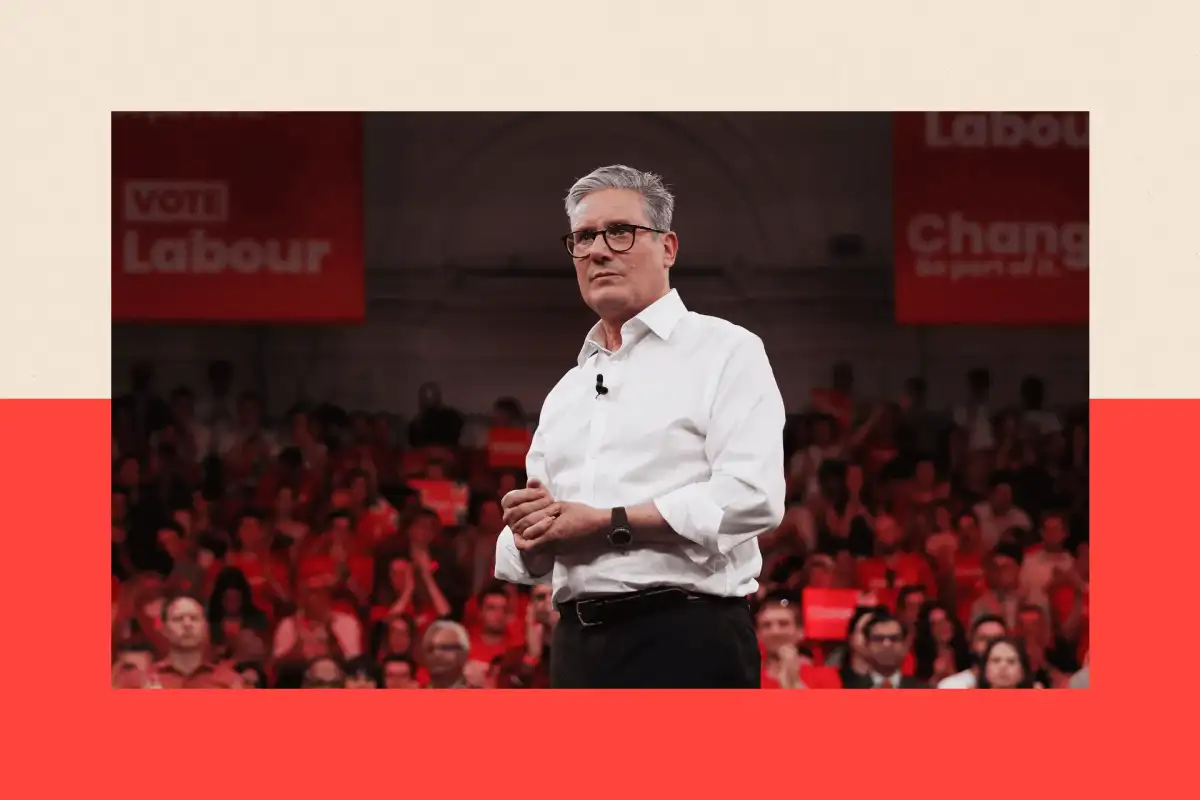
"The Prime Minister does not have the backing of the country to deliver the change that people voted for." - Anonymous Labour MP
The narrative around Keir Starmer's tenure has been marked by periods of intense scrutiny. While some reports suggest that pressure on his leadership had eased at certain points, recent events have clearly reignited doubts. The handling of past incidents, including allegations of espionage and cover-ups, continues to fuel speculation and political intrigue, with critics questioning the media's investigative depth on these matters.
Allegations and Cover-Ups: Unsubstantiated claims regarding arrests and potential cover-ups involving sensitive information and foreign dissidents have surfaced, deepening an existing mystery.
Shifting Rivalries: The political stage is seeing a reconfiguration, with Nigel Farage and Reform positioning themselves as significant challengers.
Leadership Endurance: Despite the internal and external pressures, there remains a prevailing sense among some Labour MPs that Starmer might, for the time being, remain in his position, a prospect described with a stark metaphor.
Historical Context
The political fortunes of Keir Starmer have been a subject of continuous observation since his ascent to leadership. Reports from mid-2025 noted the prime minister's first year ending in what was described as a "shambles," with internal assessments suggesting self-inflicted embarrassment. Earlier in 2025, discussions around leadership stability surfaced, with concerns about changing leaders during times of international conflict. Even in April 2026, just weeks before the local election results, while acknowledging significant public disapproval, the likelihood of a formal challenge was still considered improbable by some. However, recent events, including calls from figures like Anas Sarwar, the Scottish Labour leader, have amplified the existing tensions.
Read More: Tess Daly wears wedding ring in London after split from Vernon Kay