The Australian Labor Party, led by Prime Minister Anthony Albanese, is actively seeking donations from supporters to fund an escalating campaign against Opposition Leader Angus Taylor. This effort comes as the party navigates broader economic policy discussions and public opinion polls, with differing viewpoints emerging on the government's fiscal management and proposed superannuation tax changes.

Context of Campaign Activity and Policy Proposals
The current period shows increased political activity from the Labor Party.
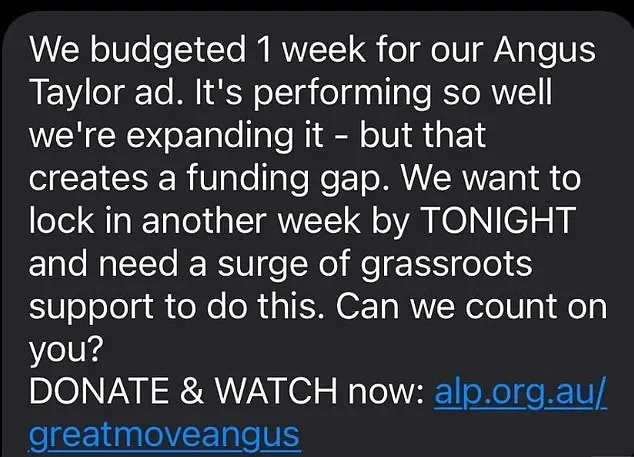
Campaign Against Angus Taylor: Labor has launched a campaign targeting the new Opposition Leader, Angus Taylor. This campaign has apparently exceeded initial expectations, prompting an urgent call for donations to sustain its online presence. Screenshots of text messages sent to Labor supporters illustrate this request, with funds being sought to continue the campaign's impact. The messaging also includes criticisms of Taylor's past parliamentary actions.
Economic Argument for Second Term: Prime Minister Albanese has articulated his case for a second term, emphasizing Labor's perceived ability to manage the economy and improve the lives of ordinary Australians. This argument was presented in a significant speech at the National Press Club.
Superannuation Tax Policy: The government is proceeding with a policy that could alter how superannuation funds are taxed. This proposed change would involve taxing "unrealised gains" on assets, rather than the current practice of taxing gains only when an asset is sold. This policy has been described as a radical departure and has faced resistance from some crossbench senators. Labor's national president, Wayne Swan, has indicated that the party has a mandate for policies taken to the last election, although he has not defended the specific merits of the superannuation tax proposal.
Calls for Spending Cuts: Business leaders and organizations, including the Business Council of Australia, have urged the government to cut public spending to help manage inflation. Reports indicate that federal government spending under Labor has reached its highest level in nearly four decades, excluding pandemic periods.
Evidence of Campaign and Policy Developments
The following points are supported by evidence from recent reports:

Urgent Donation Request: Urgent text messages were sent to Labor supporters on a Monday, requesting donations to continue an advertising campaign against Angus Taylor. The message stated that the campaign "exceeded expectations" but required further funding to remain online.
"Opening Election Salvo": Prime Minister Albanese presented his argument for a second term, focusing on economic management and the well-being of citizens, in a speech at the National Press Club.
Superannuation Tax Policy Details: The proposed policy involves taxing unrealised gains on superannuation assets. This differs from the conventional method of taxing capital gains only upon the sale of an asset. Key crossbench senators had previously rejected this plan.
Government Spending Figures: Federal government spending as a proportion of the economy is reportedly at its highest point in nearly 40 years, excluding pandemic-related spending. This has led to calls for expenditure reductions from business groups.
Public Opinion Data: A recent poll indicates a mixed perception of Prime Minister Albanese. He received a score of -8, while Peter Dutton scored -4. While 40% of men favored Albanese, a slightly higher percentage of women (40%) supported him compared to Dutton (31%). Albanese is perceived by some as more "caring" and "understanding."
Campaign Funding: The Drive for Donations
The Australian Labor Party has issued an urgent appeal to its supporters for financial contributions.
Urgency in Messaging: Text messages sent to Labor supporters highlight the success of their campaign against Angus Taylor, but stress the need for additional funds to maintain its momentum online.
Targeting Supporters: The donation request is directed at Labor supporters and known donors, indicating a strategic effort to mobilize the party's base for campaign funding.
Context of Opposition Criticism: This fundraising initiative is occurring within the context of an active campaign against a prominent opposition figure, suggesting a focus on amplifying messaging and increasing political pressure.
Economic Management and Public Perception
Debates surrounding economic policy and public sentiment towards the Prime Minister are prominent.
Claims of Economic Stewardship: Prime Minister Albanese has presented his government's economic management as a key reason for voters to grant Labor a second term.
Business Sector Concerns: Business leaders have expressed concerns about government spending levels and have called for cuts to help control inflation.
Superannuation Policy Debate: The proposed taxation of unrealised superannuation gains has generated discussion, with opponents viewing it as a significant policy shift.
Poll Data on Leadership: Public opinion polls reveal specific preferences, with Albanese showing stronger support among women in some surveys, while overall scores reflect varying levels of public approval.
Superannuation Tax: A Policy Under Scrutiny
The Labor government's proposed changes to superannuation taxation have drawn attention and criticism.
"Unrealised Gains" Taxation: The core of the proposal involves taxing potential profits on assets within superannuation funds before those assets are sold.
Departure from Convention: This approach marks a departure from the established practice of taxing capital gains only after an asset has been sold, which is typically referred to as "realised gains."
Mandate vs. Merits: While the party's national president has cited a mandate for election policies, specific defense of the superannuation tax's benefits has been notably absent from some party figures.
Crossbench Opposition: Reports indicate that key crossbench senators had previously rejected this taxation proposal, suggesting potential legislative hurdles.
Expert Insights and Commentary
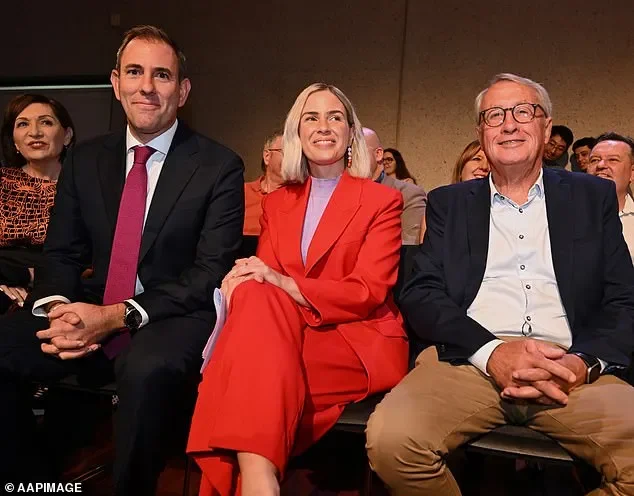
Wayne Swan's Perspective: Labor's national president, Wayne Swan, has stated that the party has a mandate to implement policies it presented during the last election. However, he has also reportedly declined to defend the specific merits of the controversial superannuation tax policy in his capacity as chairman of Cbus Super.
Business Council of Australia's Stance: The Business Council of Australia has released a report calling for government spending cuts, identifying them as necessary to manage inflation and improve the government's electoral prospects.
Conclusion and Implications
The Australian Labor Party is actively engaged in both campaign efforts and policy implementation, marked by a push for donations to support its messaging against the opposition. Concurrently, the government is navigating debates surrounding its economic management, with business groups advocating for spending reductions. The proposed superannuation tax policy represents a significant and potentially contentious reform, facing scrutiny regarding its economic implications and legislative viability. Public opinion, as indicated by recent polls, shows varied perceptions of Prime Minister Albanese's leadership, with differing levels of support across demographic groups. The success of the fundraising drive and the progression of key policies like the superannuation tax changes will likely be significant factors in the upcoming political landscape.
Read More: South Australia Election 2024: Labor Wins, One Nation Surges Past Liberals
Sources:
Daily Mail Australia: This source provides immediate reporting on political campaign activities, including calls for donations and specific campaign messaging.
Link: https://www.dailymail.co.uk/news/article-15565691/albanese-donations-angus-taylor-sms-labor.html
Link: https://www.dailymail.co.uk/news/article-14676567/Anthony-Albanese-super-capital-gains-tax.html
Link: https://www.dailymail.co.uk/news/article-14353635/Albanese-cut-spending-inflation.html
Australian Financial Review (AFR): This source offers in-depth political analysis, focusing on the Prime Minister's policy speeches and the broader strategic arguments presented by the government.