


Kristi Noem, Secretary of the Department of Homeland Security, is out. President Donald Trump announced her departure via his social media platform, Truth Social, on Thursday, March 5th. The move follows intense scrutiny and criticism of Noem's leadership, particularly concerning the administration's immigration policies and disaster response efforts. Coinciding with Noem's exit, Corey Lewandowski, a key advisor at DHS and a figure tied to Noem, will also be leaving his post.
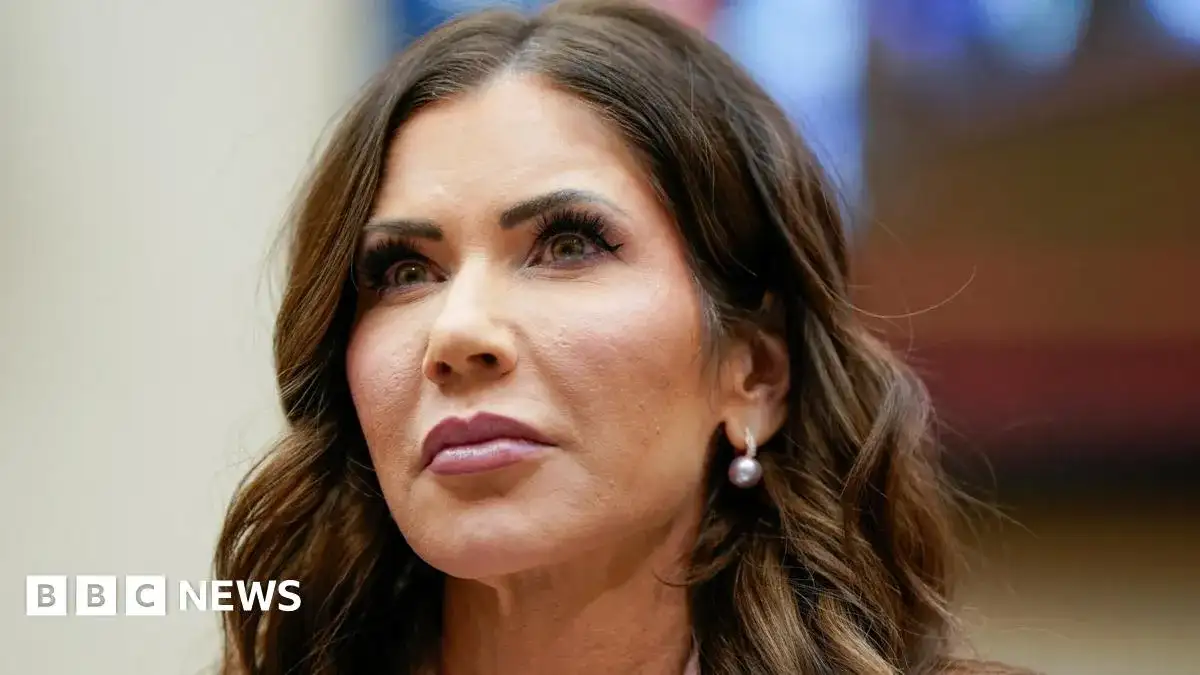
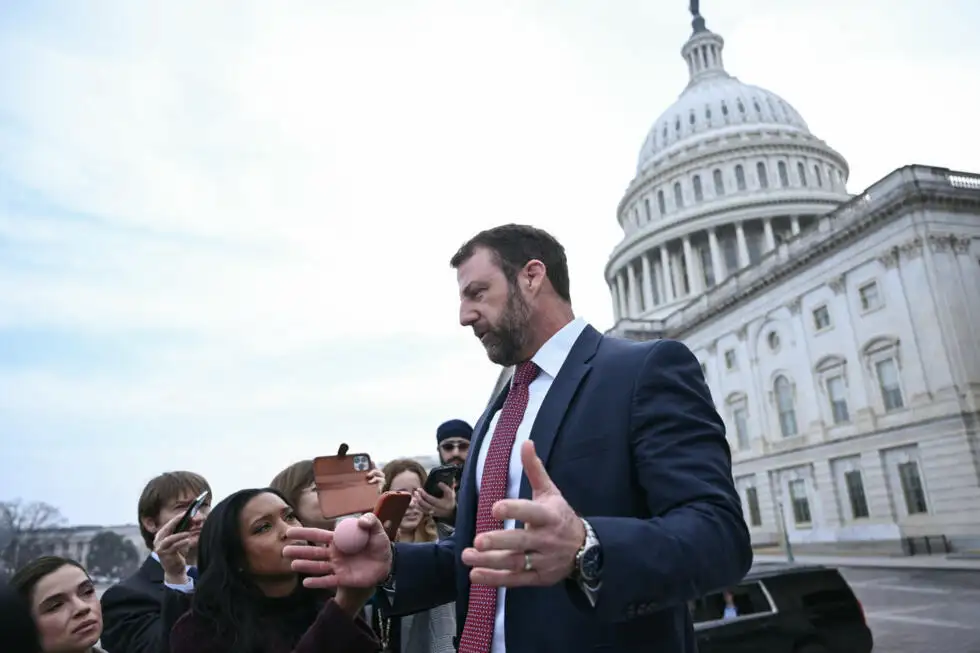
The removal of Noem, the first cabinet member to depart during Trump's second term, marks a significant shift in the administration's approach to homeland security. Trump has announced his intention to nominate Republican Senator Markwayne Mullin to succeed Noem at the helm of DHS.
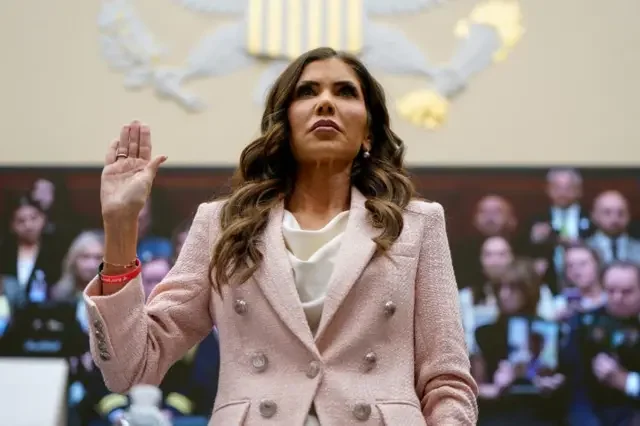
Noem's tenure was marked by significant controversies. She was instrumental in enacting some of Trump's most prominent and debated immigration policies, including large-scale deportation initiatives and the deployment of immigration enforcement officers to various U.S. cities. A recent incident involving the shooting deaths of two individuals by ICE agents in Minneapolis brought Noem under renewed fire. She faced a two-day grilling on Capitol Hill from both Republican and Democratic members of Congress regarding these events, declining to offer an apology for her public statements.
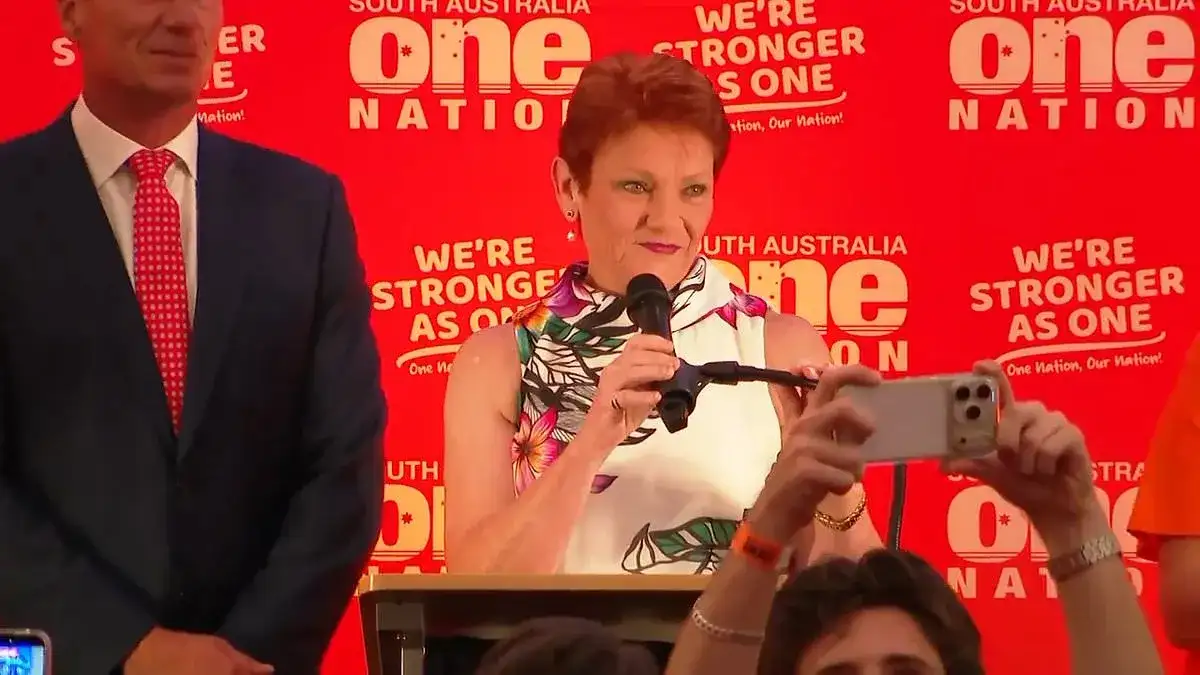
Read More: South Australia Election 2024: Labor Wins, One Nation Surges Past Liberals
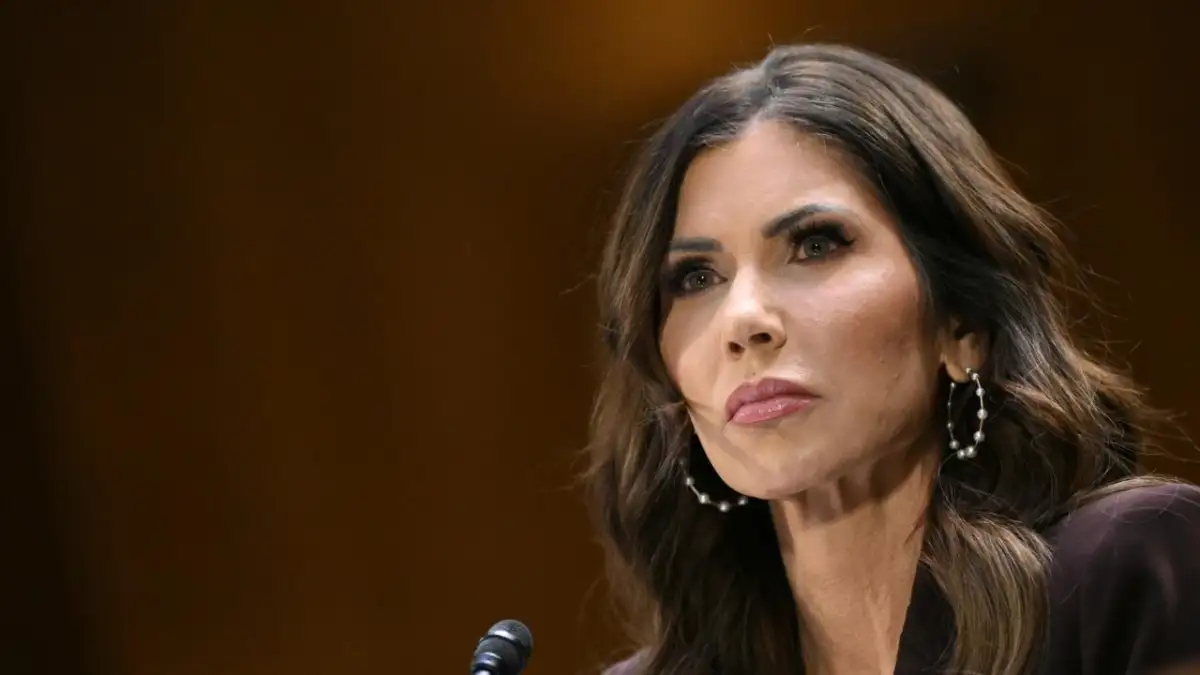
The department itself has faced budget paralysis since mid-February, with Democrats advocating for sweeping reforms to the practices of federal agents. Noem's leadership was further questioned regarding the management of federal disaster aid through FEMA.
Prior to her role at Homeland Security, Noem had served in various capacities in South Dakota, including as Secretary of State and as an alumna of South Dakota State University. Her political career has also seen involvement with News Media Corporation in Huron, South Dakota. The circumstances surrounding her dismissal and the departure of Lewandowski suggest a complex interplay of policy disagreements, public relations challenges, and internal administration dynamics.


:max_bytes(150000):strip_icc():focal(748x433:750x435)/Ben-Stiller-Tropic-Thunder-030626-tout-e839e387a76447fab95e16449e7fab05.jpg)


